Study: Heat may impair male beetles' ability to distinguish sex, increasing same-sex interactions
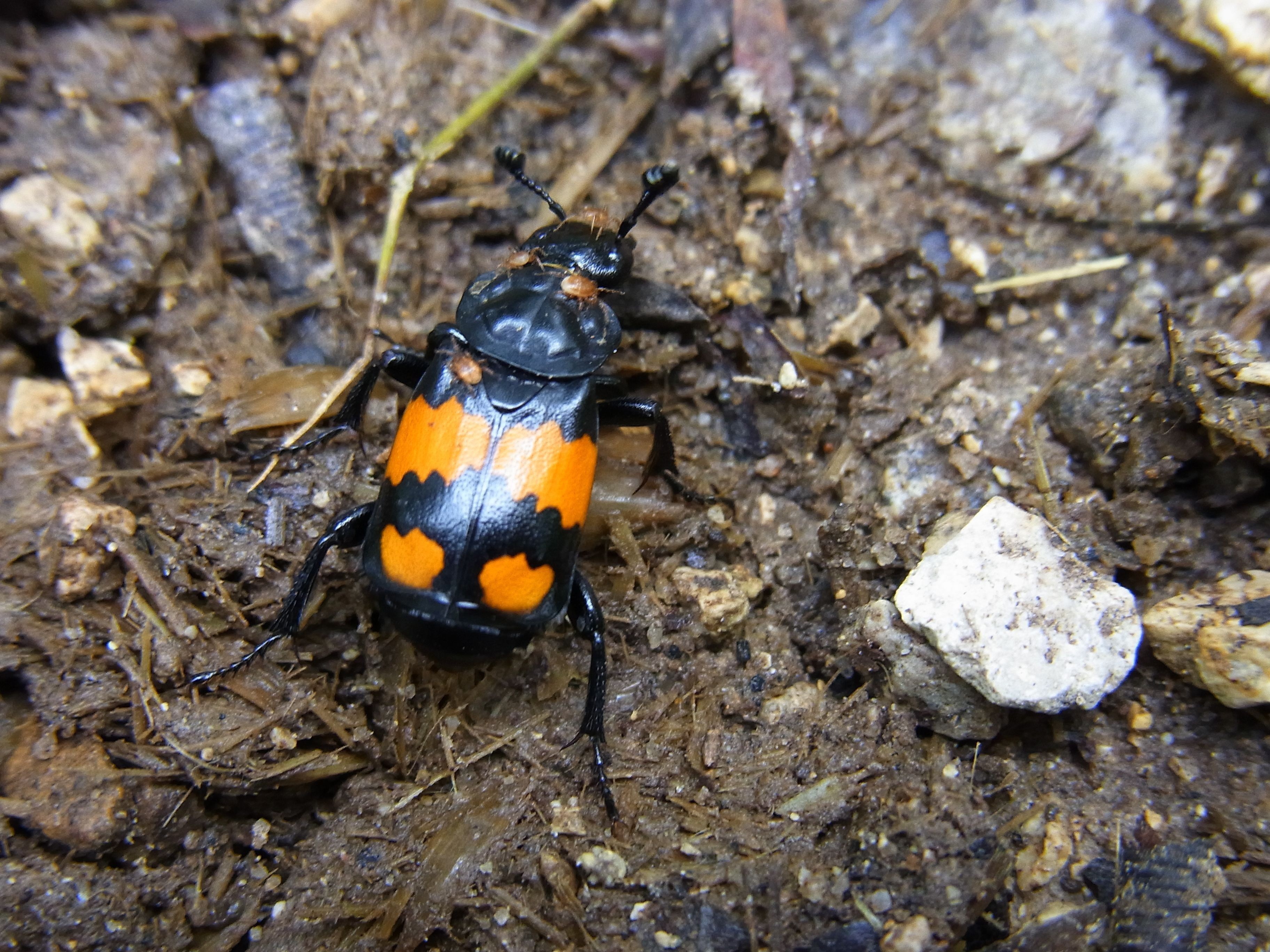
A recent laboratory study investigated the effects of elevated temperatures on the sexual behavior of the beetle species Nicrophorus vespilloides. Researchers subjected these carrion-burying beetles to a simulated heatwave, increasing the ambient temperature from 20°C to 26°C for three days. During this period, scientists observed a notable increase in sexual interactions between males. While this might initially suggest a shift in sexual preference, the researchers emphasize that this interpretation is unlikely for insects.
The leading hypothesis suggests that the heat negatively impacted the chemical signals beetles use to identify the sex of others. This impaired chemical communication could lead males to mistakenly identify other males as potential mates. Even under normal conditions, same-sex interactions were relatively common, with an average of just over one episode per male pair at 20°C. This frequency nearly doubled to approximately two episodes per pair at the higher temperature.
Solène Morelle, a doctoral student at the University of St Andrews and lead researcher, presented these findings at a conference in Florence, Italy. She explained that Nicrophorus vespilloides rely on chemical cues on their body surface for recognition, which also helps prevent water loss. Elevated temperatures may alter this surface composition for thermoregulation, potentially compromising the clarity of these recognition signals. Morelle cautioned against applying human sexual categories to insect behavior, stating her working hypothesis is a deficit in sexual recognition rather than a change in partner preference. Future research aims to determine if these increased interactions affect mating success with females and could represent an overlooked impact of climate change on animal reproduction.
This research highlights a potential, indirect consequence of rising global temperatures on insect behavior, specifically concerning the disruption of chemical communication pathways crucial for species recognition. The study's findings suggest that thermal stress may impair the ability of male beetles to accurately differentiate between sexes, leading to an increase in same-sex interactions. This phenomenon, framed as a breakdown in chemical signaling rather than a change in innate sexual preference, underscores the complex interplay between environmental conditions and biological processes. Understanding these mechanisms is vital for assessing the broader ecological impacts of climate change on biodiversity and reproductive success in various species. The research prompts consideration of how subtle environmental shifts can cascade into observable behavioral changes, potentially affecting population dynamics and ecosystem stability in the coming decades.
AI-generated to prompt reflection — not editorial opinion, not advice, not a statement of fact. How this works.