Study on Homo floresiensis: Fire Use and Hunting Habits Debated
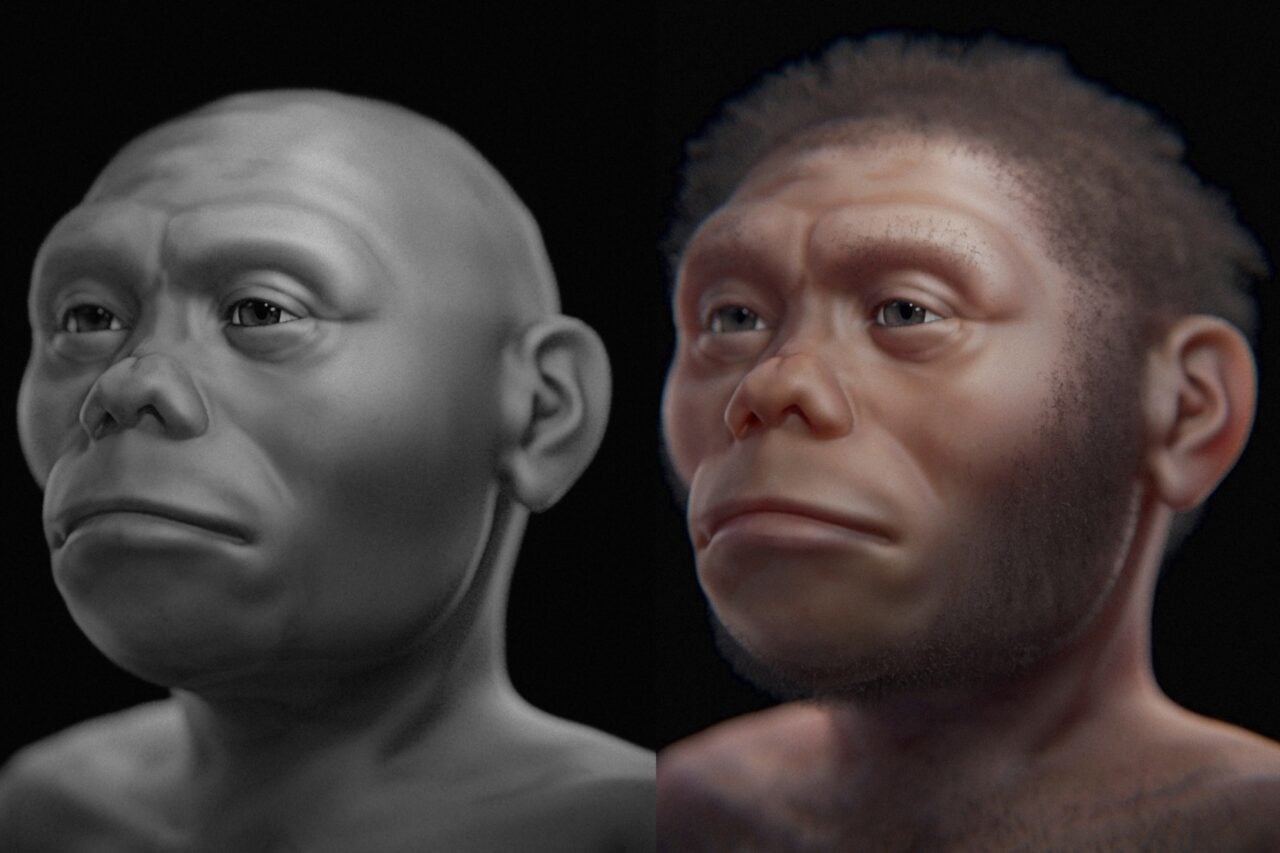
Researchers from the Smithsonian have analyzed 10,061 artifacts to investigate the survival strategies of Homo floresiensis, a diminutive human ancestor often described as 'Hobbit-like.' The study aimed to determine whether these early humans utilized fire or engaged in hunting large animals to sustain themselves. Homo floresiensis inhabited an island environment that also featured formidable predators like Komodo dragons. The findings from the extensive artifact analysis are expected to shed light on the cognitive abilities and ecological interactions of this unique hominin species. Understanding their methods of resource acquisition is crucial for reconstructing their evolutionary path and their place in the broader human story. The diminutive stature of Homo floresiensis has long intrigued scientists, prompting questions about their adaptation to island ecosystems. This research seeks to provide concrete evidence regarding their technological and subsistence practices. The comprehensive review of over ten thousand artifacts offers a significant opportunity to resolve long-standing debates about their capabilities.
The investigation into Homo floresiensis's use of fire and hunting practices highlights the ongoing scientific effort to understand the diverse capabilities of early human relatives. By examining a substantial collection of artifacts, researchers aim to move beyond speculation and establish empirical evidence regarding subsistence strategies. This approach is critical for understanding how different hominin species adapted to varied environments, including those with significant ecological pressures like the presence of large predators. The findings could offer insights into the evolutionary trajectory of tool use, cognitive development, and resource management, providing a more nuanced picture of human evolution beyond a single linear progression. Understanding these adaptations is key to appreciating the complex interplay between environmental challenges and biological innovation in the prehistoric world.
AI-generated to prompt reflection — not editorial opinion, not advice, not a statement of fact. How this works.