Study Proposes Extending High-Risk Myeloma Criteria to 36 Months Amidst New Treatments
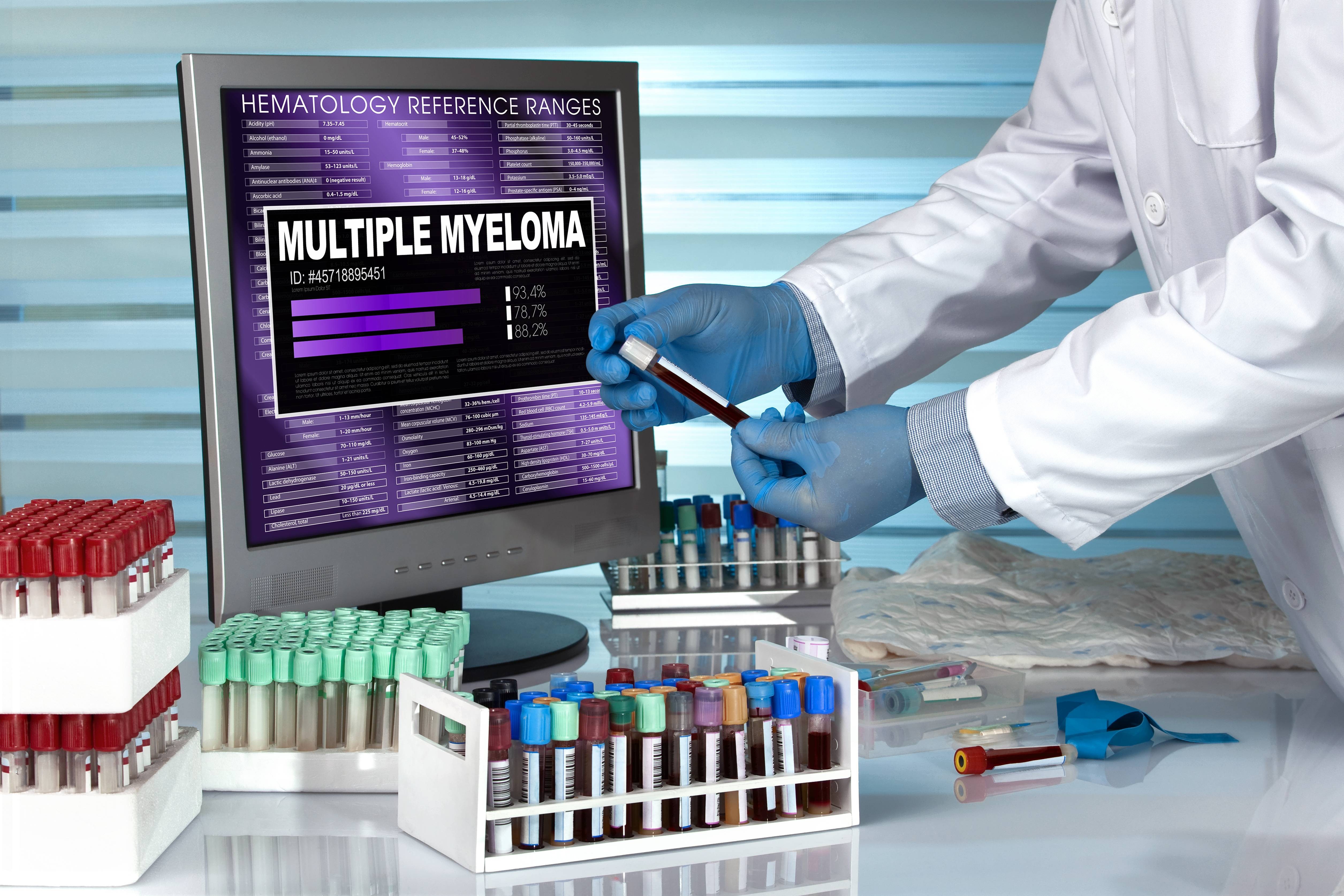
Advances in multiple myeloma treatment are prompting a re-evaluation of how physicians assess the disease's prognosis. A study published in the journal Cancer suggests extending the timeframe for identifying patients with high-risk functional multiple myeloma from 18 to 36 months. This proposed change aims to better reflect current treatment realities, enabling earlier identification of patients who require more aggressive therapies or priority enrollment in clinical trials. Modern treatment regimens can control the disease for longer periods than before, meaning some patients previously classified as intermediate risk may experience equally unfavorable outcomes.
High-risk functional multiple myeloma encompasses patients whose disease relapses or progresses rapidly even after initial treatment, a pattern linked to reduced survival. The traditional 18-month relapse criterion was established before the advent of contemporary treatments, which often involve a combination of four drug classes—monoclonal antibodies, proteasome inhibitors, immunomodulators, and corticosteroids—often followed by autologous stem cell transplant. Researchers tracked 310 newly diagnosed patients for about three and a half years and found that a 36-month progression threshold best identified those with a survival expectation of less than two years post-progression. This indicates that while disease recurrence may be delayed due to more effective treatments, it does not necessarily imply a better prognosis upon relapse. The study also revealed that traditional risk classification systems failed to identify all aggressive cases, with over a third of patients meeting the new high-risk criterion still classified as low-stage by existing models.
Furthermore, the study highlighted the efficacy of T-cell redirecting therapies for patients whose disease progresses. After one year, 80% of patients on these advanced immune-based treatments remained progression-free, compared to 23% on other approaches, with significantly higher response rates. The researchers advocate for updating the high-risk functional multiple myeloma definition to 36 months to improve prognostic accuracy and facilitate earlier access to innovative treatments and clinical trials, though they note the need for independent confirmation before clinical guideline incorporation.
The proposed extension of the high-risk multiple myeloma timeframe from 18 to 36 months reflects a critical adaptation of diagnostic criteria to evolving therapeutic landscapes. This adjustment acknowledges that modern multi-agent therapies and stem cell transplantation have significantly altered disease trajectories, extending remission durations. By recalibrating risk assessment, clinicians can better stratify patients, potentially optimizing resource allocation for novel therapies and clinical trials. The analysis underscores a broader trend in oncology where treatment efficacy necessitates continuous reassessment of prognostic markers to ensure patient management aligns with contemporary outcomes, rather than historical benchmarks. This evolution is crucial for refining personalized medicine approaches in the face of rapidly advancing treatment modalities.
AI-generated to prompt reflection — not editorial opinion, not advice, not a statement of fact. How this works.