Study Questions Environmental Benefits of Organic Free-Range Eggs
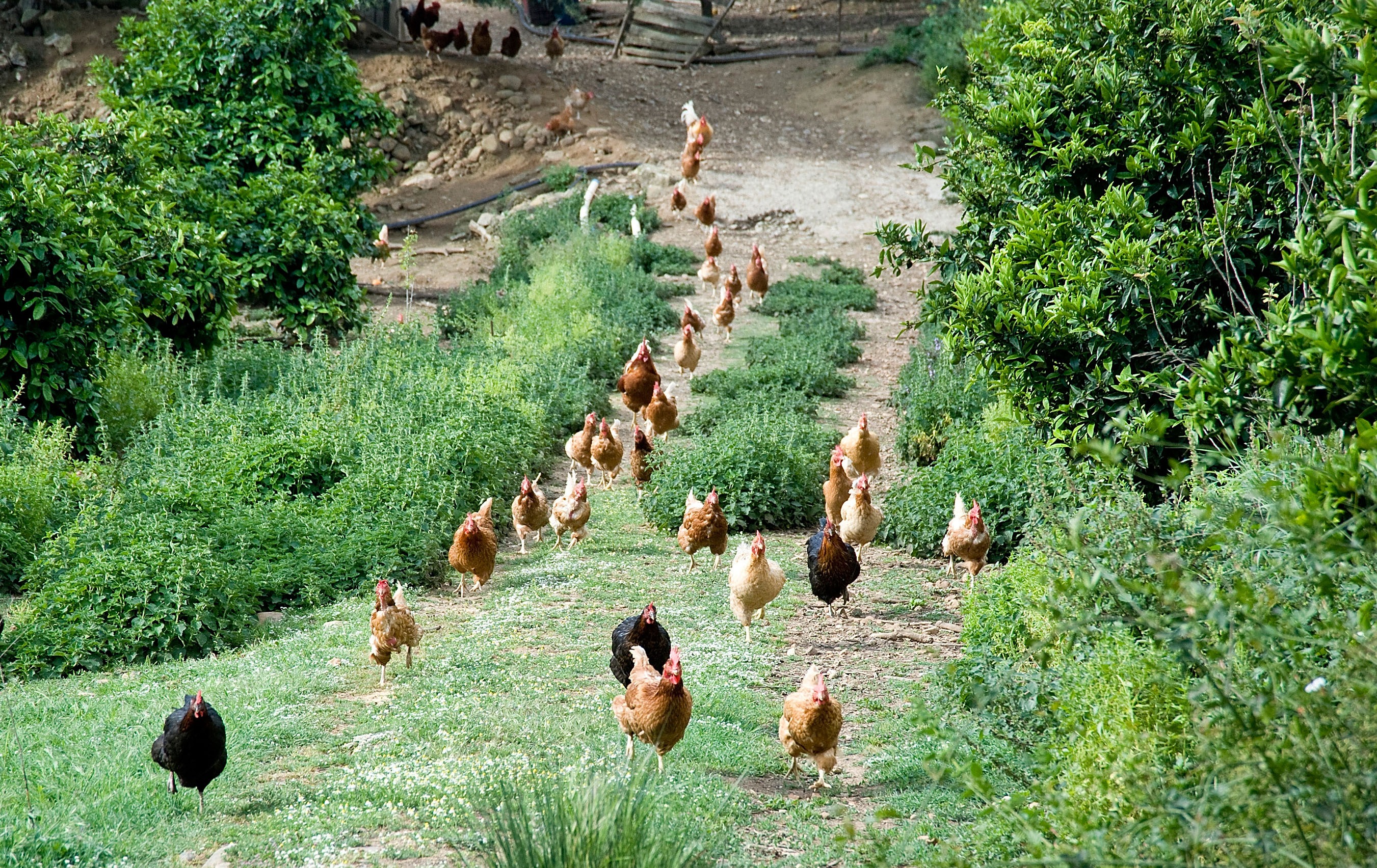
A recent study suggests that organic free-range eggs may not offer the environmental advantages they are often perceived to have, particularly concerning climate change impacts. The research indicates that while animal welfare concerns and associated activism are important, they can sometimes lead to unintended negative consequences for conservation efforts. These outcomes can arise from policies that, while well-intentioned, do not fully account for the broader environmental footprint of food production. The findings prompt a re-evaluation of common assumptions about the sustainability of certain agricultural practices. It highlights the complex interplay between consumer demand for ethical products and the actual environmental performance of those products. The study's implications extend to policymakers and consumers alike, urging a more nuanced understanding of food systems. It suggests that a holistic approach is necessary to ensure that choices made for animal welfare do not inadvertently harm broader environmental goals. Ultimately, the research calls for a deeper examination of the full life cycle impacts of food production to make truly sustainable choices.
This study challenges the prevailing narrative that organic free-range egg production inherently benefits the environment. It suggests that policy decisions driven by animal welfare activism, while ethically motivated, may not always align with climate change mitigation goals. This points to a potential disconnect between consumer perception and the complex realities of agricultural sustainability. Future policy and consumer choices should consider a comprehensive life-cycle assessment, evaluating not just animal welfare but also greenhouse gas emissions, land use, and resource efficiency. Understanding these trade-offs is crucial for developing food systems that are both ethically sound and environmentally resilient in the face of global challenges.
AI-generated to prompt reflection — not editorial opinion, not advice, not a statement of fact. How this works.