Study Questions Traditional Farming's Water Management Practices
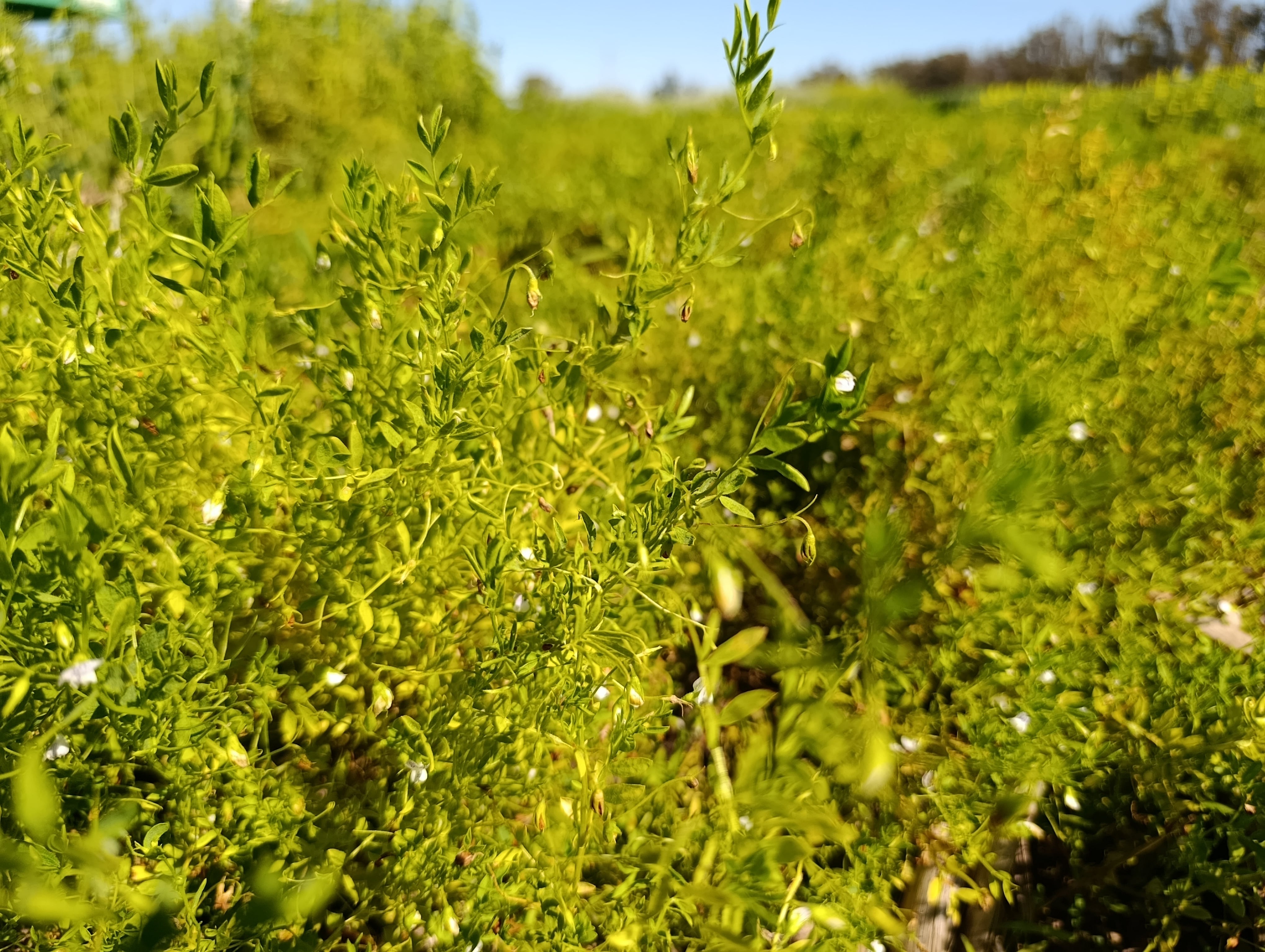
A recent report from Aapresid's Cover Crop Network has raised concerns about traditional agricultural management, specifically challenging the effectiveness of fallowing for water accumulation. The study's findings indicate that long fallow periods may not be the optimal strategy for conserving water resources. Data collected reveals significant water loss during these fallow intervals. Specifically, between 271 and 409 millimeters of water were lost due to direct evaporation and deep percolation. This suggests that conventional methods might be less efficient than previously assumed in retaining moisture in the soil. The research highlights a potential disconnect between established farming practices and optimal water conservation techniques.
This study challenges a long-standing agricultural practice, fallowing, by presenting data that suggests it leads to substantial water loss through evaporation and deep percolation. The findings imply that traditional methods may not be aligned with the growing imperative for water conservation, particularly in regions facing water scarcity. The research prompts a re-evaluation of farming techniques, encouraging exploration of alternative strategies that could improve water retention and efficiency. This shift could have significant implications for agricultural sustainability and resource management in the coming decade, as climate change intensifies water-related challenges.
AI-generated to prompt reflection — not editorial opinion, not advice, not a statement of fact. How this works.