Study Reveals 25% of India's Monsoon Rain Evaporates Before Reaching Ground
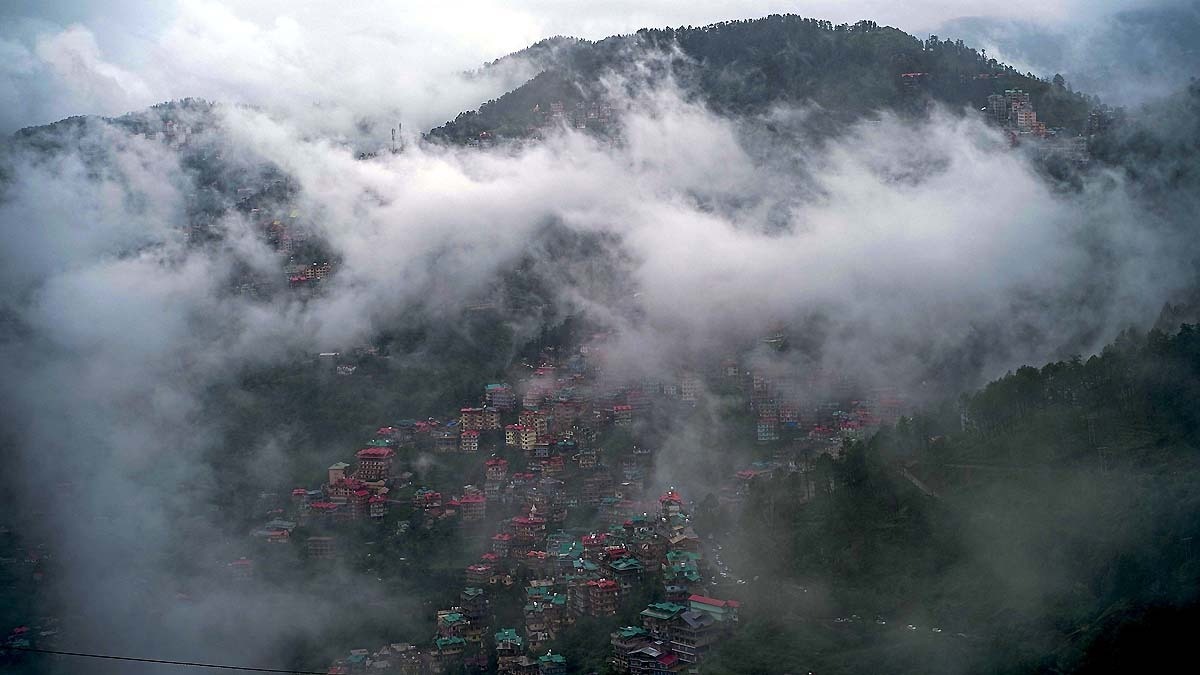
A new study conducted by the Indian Institute of Tropical Meteorology (IITM) in Pune has revealed a significant finding regarding India's monsoon rainfall. The research indicates that approximately 25% of the monsoon rain evaporates into the atmosphere before it can reach the ground. This phenomenon is particularly pronounced in the Western Ghats region, where the loss due to evaporation is highest. The study highlights the substantial impact of atmospheric conditions on the actual amount of rainfall received. These findings are crucial for understanding water resource availability and agricultural planning across the country. The evaporation of a quarter of the monsoon rain has implications for drought prediction and water management strategies. Further research may be needed to quantify the exact mechanisms and contributing factors to this high rate of evaporation.
This study highlights a critical inefficiency in water resource management, suggesting that a quarter of the monsoon's potential rainfall is lost to evaporation before utilization. This phenomenon, especially pronounced in the Western Ghats, points to the need for enhanced understanding of microclimates and atmospheric interactions affecting precipitation. Future strategies might need to incorporate atmospheric moisture capture or localized cloud seeding technologies, if proven effective and environmentally sound, to mitigate these losses. The findings also underscore the importance of accurate rainfall prediction models that account for evaporative losses, crucial for agricultural planning and water security in a changing climate.
AI-generated to prompt reflection — not editorial opinion, not advice, not a statement of fact. How this works.