Study Reveals 25% of India's Monsoon Rainfall Evaporates Before Reaching Ground
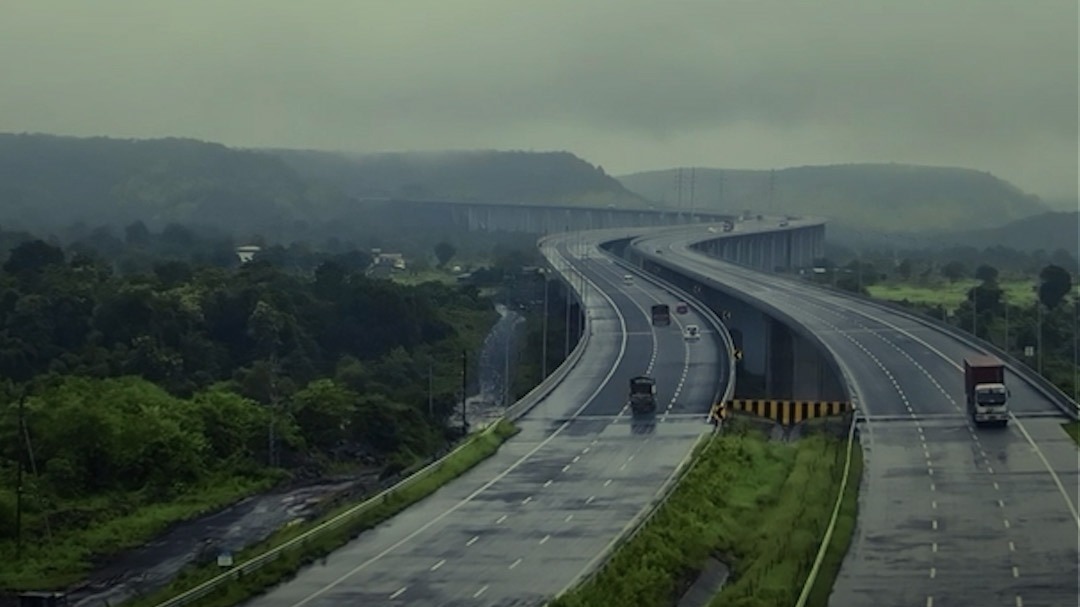
A recent study by the Indian Institute of Tropical Meteorology (IITM) in Pune has revealed a significant phenomenon: approximately 25% of India's average monsoon rainfall evaporates before it can reach the ground. This finding has crucial implications for the country's weather patterns, agricultural sector, and overall water resources. The study highlights the substantial loss of precipitation due to evaporation, which can directly impact crop yields and the availability of water for irrigation and domestic use. Researchers plan to conduct similar studies across the entire country in the future. These comprehensive investigations will aim to provide a more detailed understanding of how this evaporative process affects different regions of India. The insights gained are expected to be vital for developing more effective water management strategies and agricultural practices in the face of changing climatic conditions.
This finding underscores the critical need to re-evaluate water resource management models in India, particularly concerning monsoon rainfall. The substantial pre-ground evaporation suggests that current estimations of available water may be overestimated, potentially impacting agricultural planning and water allocation. Future studies should investigate the specific meteorological conditions and geographical factors contributing to this high evaporation rate. Understanding these drivers could inform the development of innovative agricultural techniques or infrastructure designed to mitigate such losses, thereby enhancing water security and agricultural resilience in the long term. This phenomenon also raises questions about the efficiency of existing water harvesting and conservation methods in the context of atmospheric water loss.
AI-generated to prompt reflection — not editorial opinion, not advice, not a statement of fact. How this works.