Study Reveals Deterioration of Youth Situation in Argentine Slums; Political Landscape Unchanged
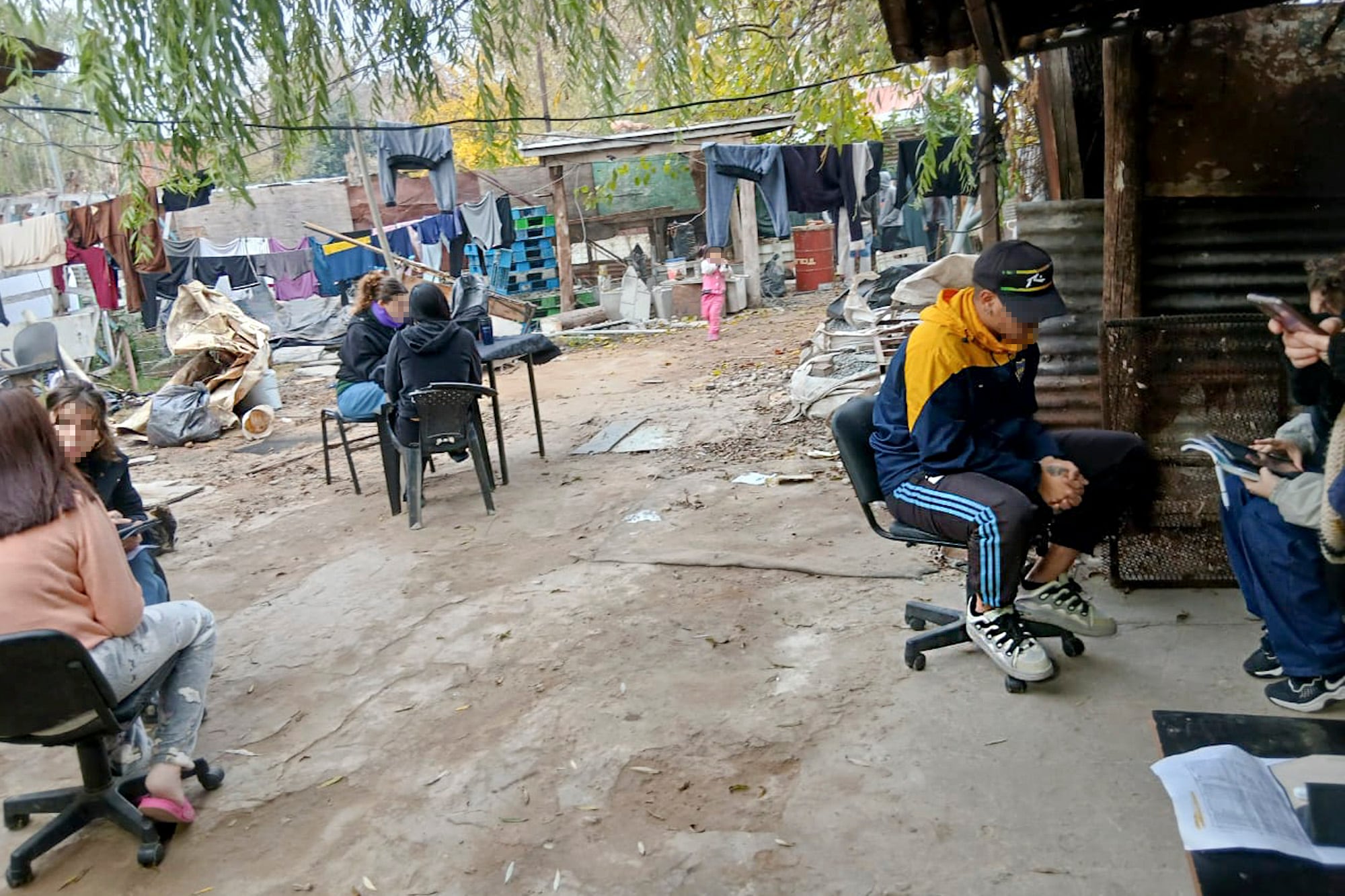
A recent study conducted in informal settlements, known as 'villas,' within Argentina's Greater Buenos Aires metropolitan area has revealed a significant decline in the situation of young people. Despite this concerning trend, President Javier Milei's political standing has not suffered a severe setback. Concurrently, the Peronist political movement has been unable to effectively leverage the widespread discontent among the population. The research highlights a disconnect between the deteriorating socio-economic conditions faced by young residents of these marginalized communities and the broader political dynamics at play. This suggests that while the challenges are pressing, they are not currently translating into a significant shift in national political support for the incumbent government or a surge in opposition fortunes.
The study's findings on youth deterioration in underserved areas, contrasted with the resilience of President Milei's political capital and the Peronists' inability to capitalize on discontent, highlight complex socio-political dynamics. This situation may reflect a broader disconnect between localized hardship and national political narratives, or potentially a fragmentation of voter priorities. Future political strategies may need to address how to translate grassroots issues into effective national mobilization, while incumbent governments face the challenge of demonstrating tangible improvements beyond electoral resilience. The long-term implications for social cohesion and economic development in these communities warrant continued observation.
AI-generated to prompt reflection — not editorial opinion, not advice, not a statement of fact. How this works.