Study Reveals New Details on Inca Child Sacrifice Victims' Final Months
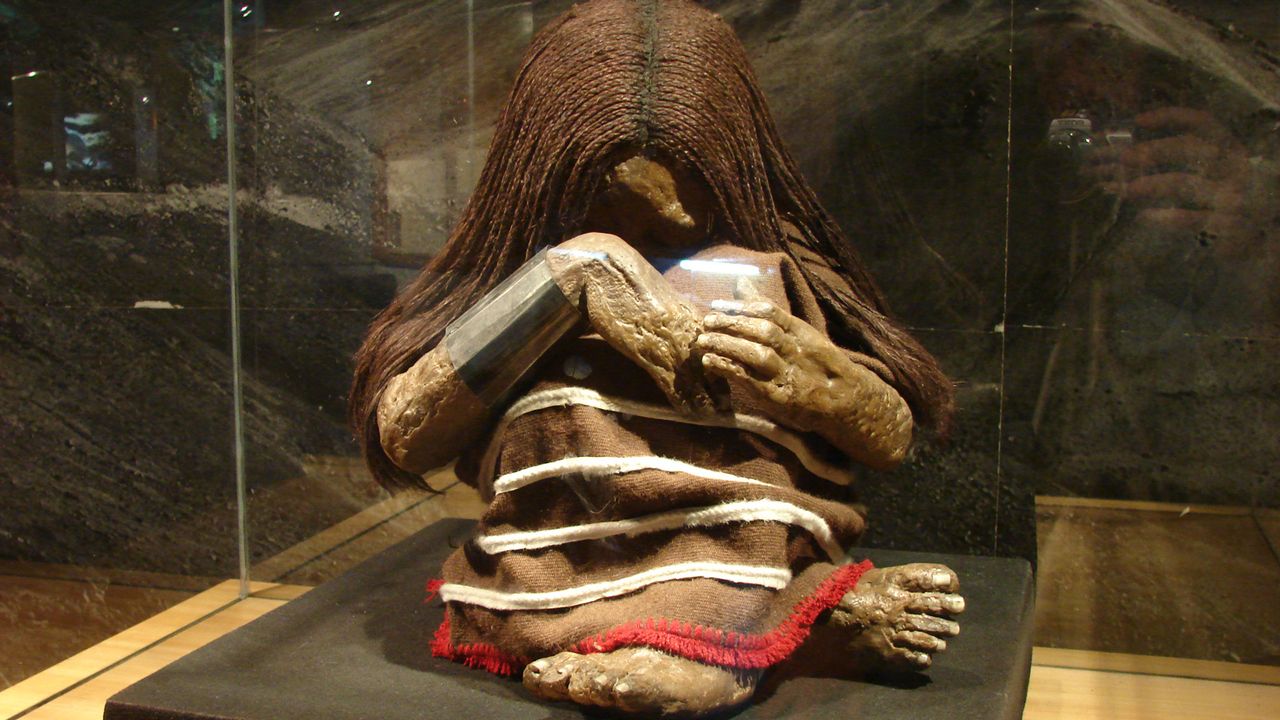
A recent study has shed new light on the final months and moments of three children who were victims of the Inca ritual known as Capacocha. This ceremony involved human sacrifice, and the new analysis provides a deeper understanding of the lives and deaths of these individuals. The research examined the physical and chemical evidence from the remains of the children, offering insights into their diet, health, and the journey they undertook before their sacrifice. It appears the children were well-cared for in the months leading up to the ceremony, suggesting a period of preparation and perhaps even honor before their ritualistic death. The study challenges previous assumptions about the immediate circumstances of their demise, indicating a more complex process than previously understood. This detailed examination contributes significantly to our knowledge of Inca religious practices and the social dynamics surrounding these significant events. The findings highlight the importance of scientific analysis in reinterpreting historical practices and understanding the human experience within ancient cultures. The research emphasizes that the children's final months were marked by a distinct shift in their lifestyle, indicating they were chosen and prepared for this specific purpose.
This study offers a scientific re-evaluation of ancient ritualistic practices, moving beyond purely historical or anthropological interpretations. By analyzing biological markers, researchers can objectively reconstruct aspects of the victims' final months, such as diet and health, providing a more nuanced understanding of the Capacocha ceremony. This approach de-emphasizes the sensationalism often associated with human sacrifice and focuses on the systemic preparation and care these children received, suggesting a complex societal structure and belief system. The findings prompt consideration of the long-term implications of such rituals within Inca society and how these practices might reflect broader patterns of resource allocation and social stratification in pre-Columbian societies. Understanding these historical precedents can offer insights into the enduring human capacity for both profound devotion and ritualized violence, and how societies manage such paradoxes.
AI-generated to prompt reflection — not editorial opinion, not advice, not a statement of fact. How this works.