Study reveals prehistoric hunters selectively targeted female mammoths
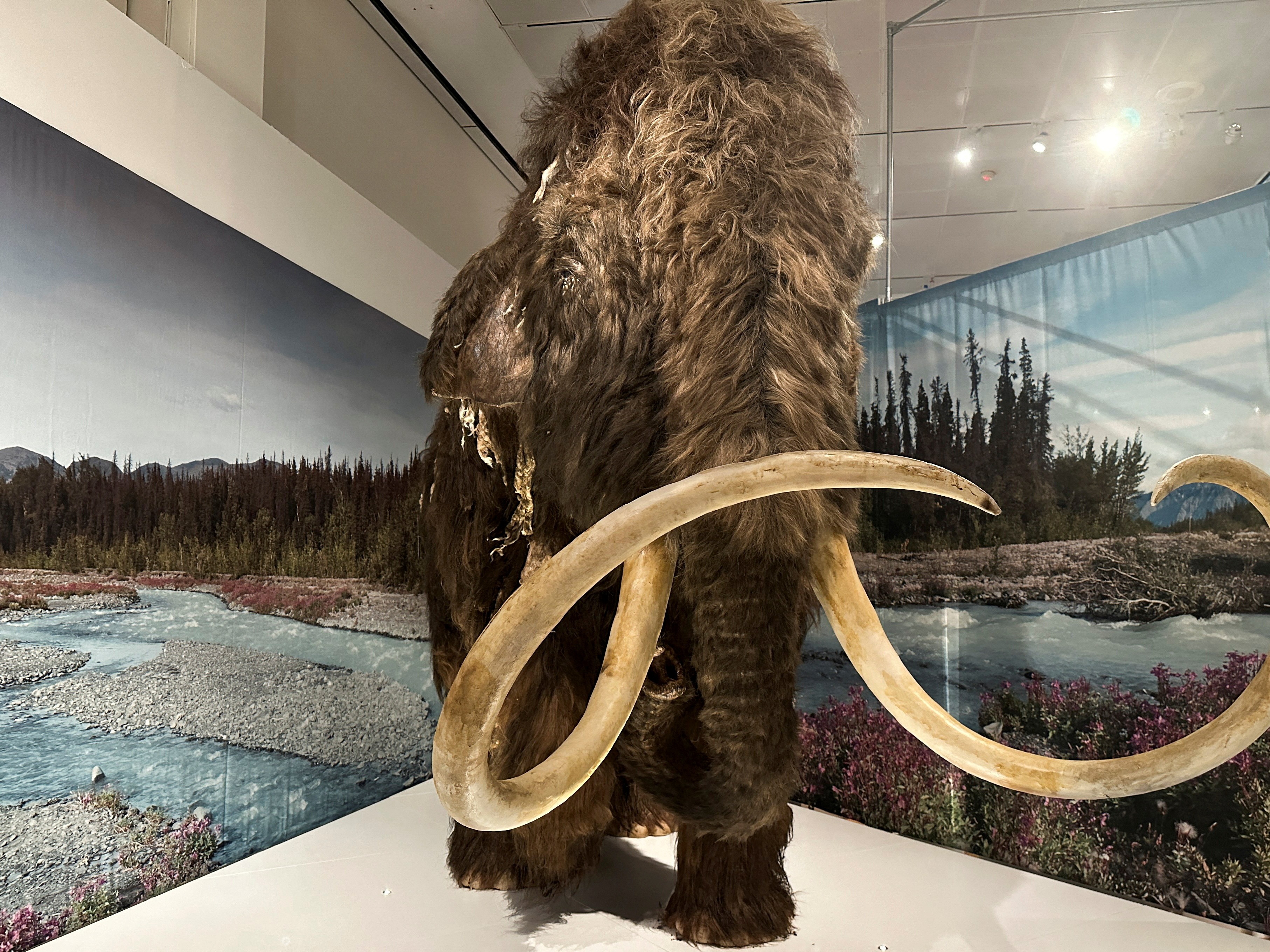
New research indicates that prehistoric humans in Eurasia and North America primarily hunted female woolly mammoths, a departure from previous assumptions. Scientists analyzed genetic data from 521 mammoth bones collected from 11 accumulation sites across Poland, Austria, the Czech Republic, Germany, and Russia, dating back approximately 50,000 years. The findings revealed that about 70% of mammoths found at these human-made sites were female, contrasting with natural mammoth bone deposits where males (66%) predominated over females (34%).
Researchers hypothesize this selectivity may stem from female mammoths living in predictable, matriarchal herds, similar to modern elephants. These herds, likely led by females and including young of both sexes, might have been easier to track and less likely to flee than solitary adult males. Additionally, female mammoths were generally smaller than males, potentially making them easier targets for hunters. The study also explored hunting tactics, suggesting ancient peoples utilized the landscape, such as bogs or cliffs, to trap or immobilize mammoths before attacking with projectiles or spears.
The research contributes to understanding the complex relationship between humans and megafauna during the Ice Age. Mammoths, a vital resource for meat, hides, bones, and ivory, disappeared from mainland Eurasia and North America around 10,000 to 12,000 years ago. The role of human hunting in their extinction remains a subject of debate, with the last mammoths perishing on Wrangel Island approximately 4,000 years ago. The study also noted a unique genetic condition in one Wrangel Island mammoth, a form of X0/XX mosaicism akin to Turner syndrome in humans.
This study reframes our understanding of Ice Age hunting strategies, moving beyond a general depiction of mammoth exploitation to a nuanced view of selective predation. The genetic evidence suggesting a preference for female mammoths prompts consideration of early human cognitive abilities in pattern recognition and resource management. It highlights how environmental factors, such as herd behavior and landscape features, likely influenced human decision-making and survival. Analyzing these ancient hunter-gatherer dynamics through the lens of modern ecological and behavioral science can illuminate the long-term evolutionary pressures that shaped both human and animal populations, offering insights into sustainable resource utilization and the complex interplay between species in dynamic ecosystems.
AI-generated to prompt reflection — not editorial opinion, not advice, not a statement of fact. How this works.