Study Shows Brain Adapts Grip Strength in Space
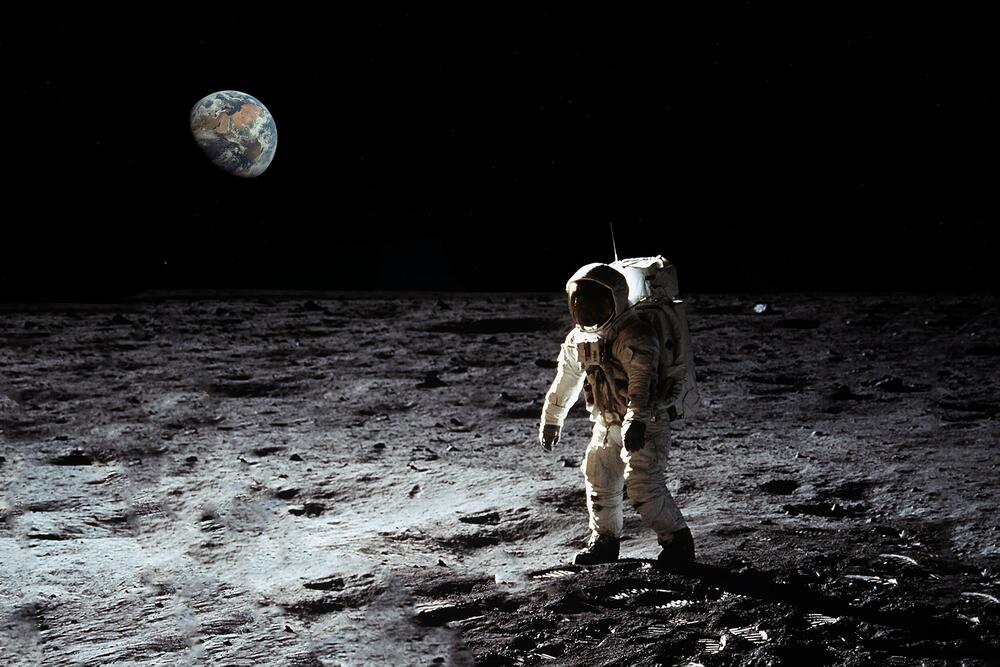
Research conducted at the ICTEAM and IoNS institutes at the University of Leuven has revealed that the brain adapts grip strength in space. The study found that the brain automatically adjusts the force of a grip based on the perceived weight or speed of an object. This adaptation occurs even when astronauts are in a microgravity environment, indicating a complex interplay between sensory input and motor control.
The findings suggest that the brain's ability to modulate grip strength is not solely dependent on gravitational cues. Instead, it relies on a combination of visual and proprioceptive information to maintain a stable and effective grasp. This research could have implications for understanding motor control in altered environments and for designing future space missions.
This research highlights the brain's remarkable plasticity and its capacity to recalibrate motor control systems in novel environments. The findings suggest that while gravity plays a role in our everyday motor functions, the brain can effectively compensate using other sensory inputs. Understanding these adaptation mechanisms is crucial for optimizing astronaut performance and safety during long-duration spaceflights. As humanity ventures further into space, the ability of the human body, particularly the brain, to adapt to microgravity and other extraterrestrial conditions will be a key determinant of mission success and the potential for long-term human habitation beyond Earth.
AI-generated to prompt reflection — not editorial opinion, not advice, not a statement of fact. How this works.