Study suggests Hannibal's elephants endured less hardship crossing the Alps than his soldiers
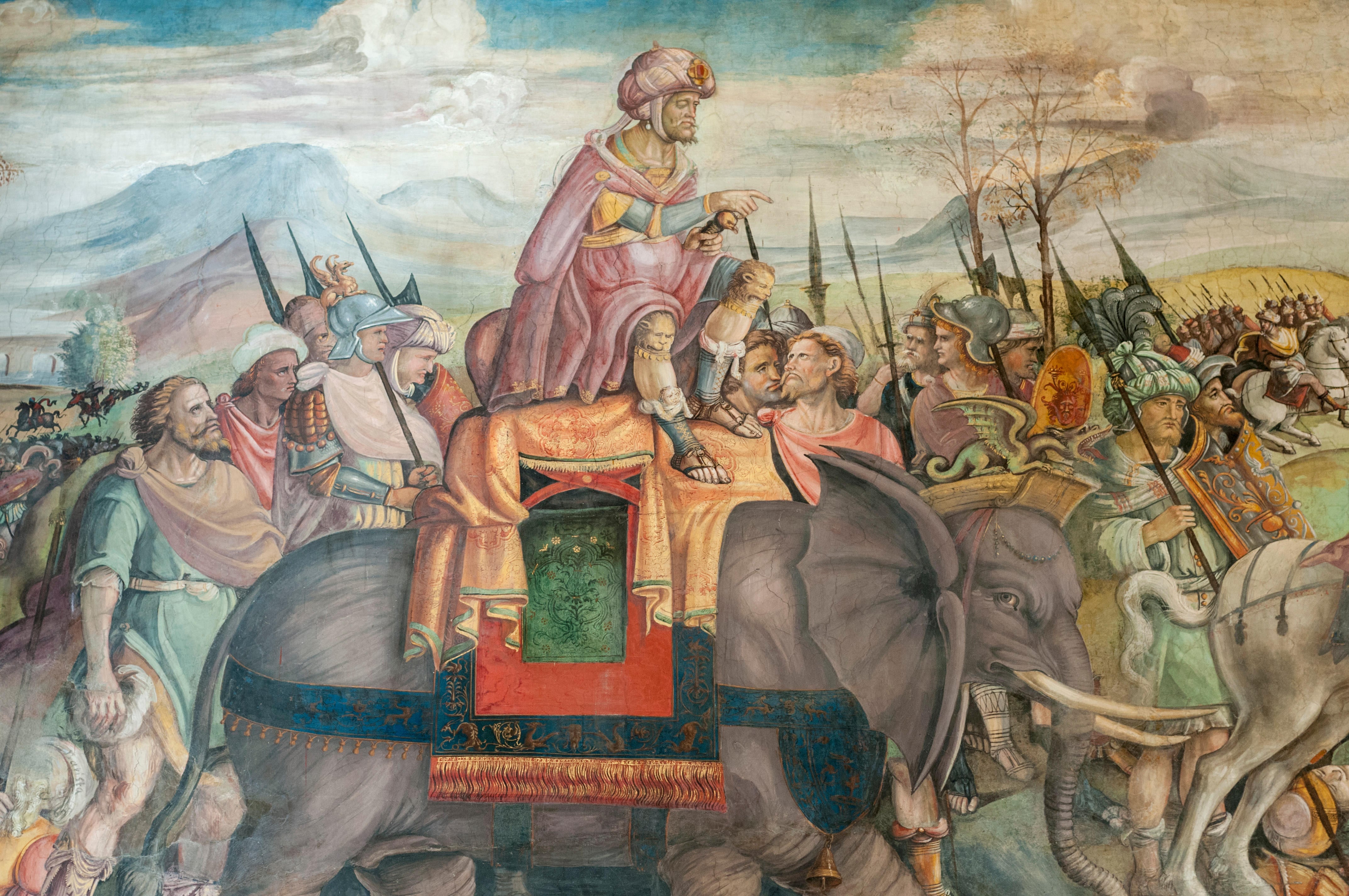
A recent study has calculated the energy expenditure of Hannibal's famous crossing of the Alps in 218 BC, providing new insights into the arduous journey. The research suggests that the elephants accompanying the Carthaginian general likely suffered less physically than his human soldiers during the expedition. This finding reinforces the hypothesis that Hannibal chose the Col de la Traversette pass for his route over the mountains. The study focused on quantifying the metabolic cost of the crossing, comparing the physiological demands placed on both the animals and the men. By analyzing the likely energy expenditure, researchers could infer the relative suffering experienced by each group. The results offer a novel perspective on one of antiquity's most remarkable military feats. The decision to utilize elephants in such a challenging terrain has long fascinated historians and military strategists. This new data contributes to a more nuanced understanding of the logistical and physiological challenges faced by Hannibal's army.
This study offers a quantitative perspective on a historical military maneuver, shifting focus from purely narrative accounts to physiological cost-benefit analysis. By modeling energy expenditure, the research provides a data-driven argument for a specific historical hypothesis regarding Hannibal's Alpine crossing route. This approach highlights how modern scientific methodologies can illuminate ancient events, potentially resolving long-standing debates. The findings implicitly raise questions about the strategic advantages and disadvantages of employing large animals in extreme environments, considering their relative resilience compared to human troops. Future research could explore how such logistical considerations influenced broader military decision-making throughout history, particularly in the context of resource management and troop welfare.
AI-generated to prompt reflection — not editorial opinion, not advice, not a statement of fact. How this works.