Study suggests higher sea levels may explain Antarctica's Blood Falls
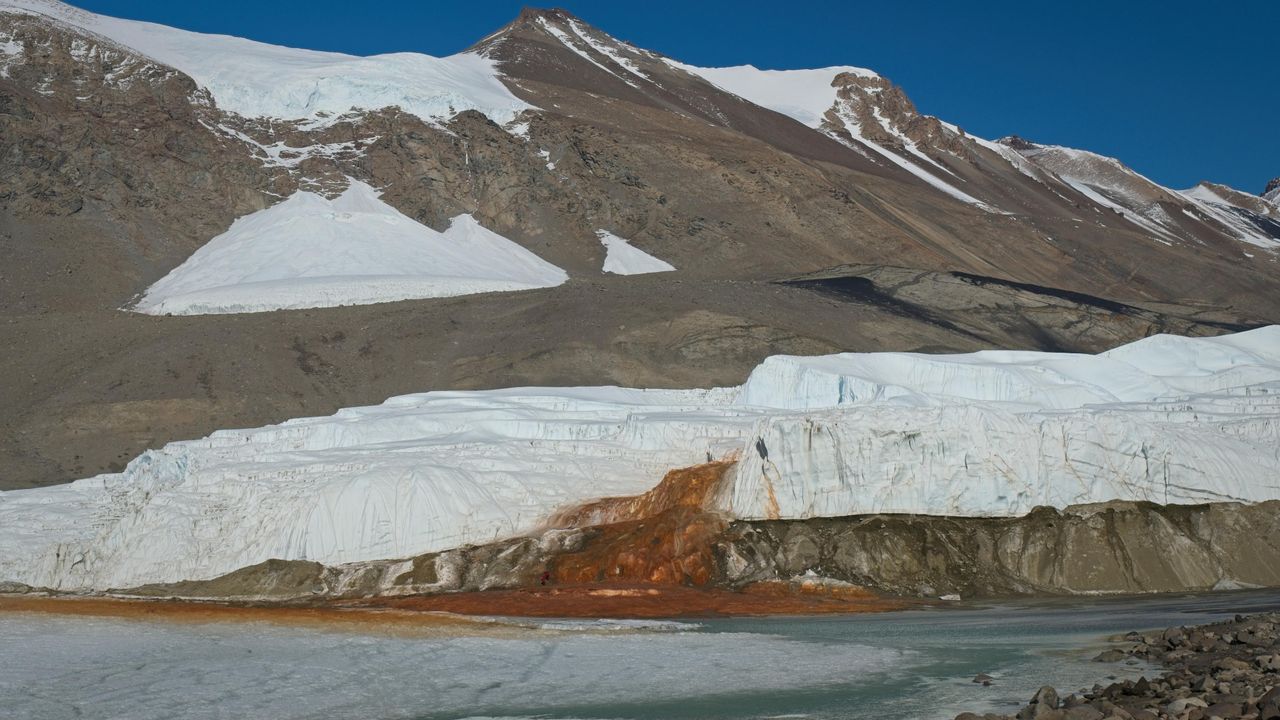
A new study proposes that the brine feeding Antarctica's Blood Falls may have been deposited during periods when sea levels were higher than they are today. These falls, located in East Antarctica, are known for their striking, gruesome appearance. The research offers a potential explanation for the origin of this unique geological feature. The findings suggest a connection between past sea level fluctuations and the current state of the Blood Falls. This insight could help scientists better understand the geological processes at play in this remote region. Further research may confirm this hypothesis and shed more light on Antarctica's dynamic environment.
This study offers a potential scientific explanation for the formation of Antarctica's Blood Falls, moving beyond purely descriptive accounts. By linking the brine's emplacement to historical sea level changes, the research provides a plausible geological mechanism. This approach allows for a more objective understanding of the phenomenon, focusing on environmental factors rather than sensational descriptions. Future investigations can build upon this hypothesis to refine our knowledge of Antarctic geological history and the long-term impacts of climate-driven sea level variations on polar environments.
AI-generated to prompt reflection — not editorial opinion, not advice, not a statement of fact. How this works.
