Study Suggests Monitoring Frailty Risks for Older Adults Using GLP-1 Drugs
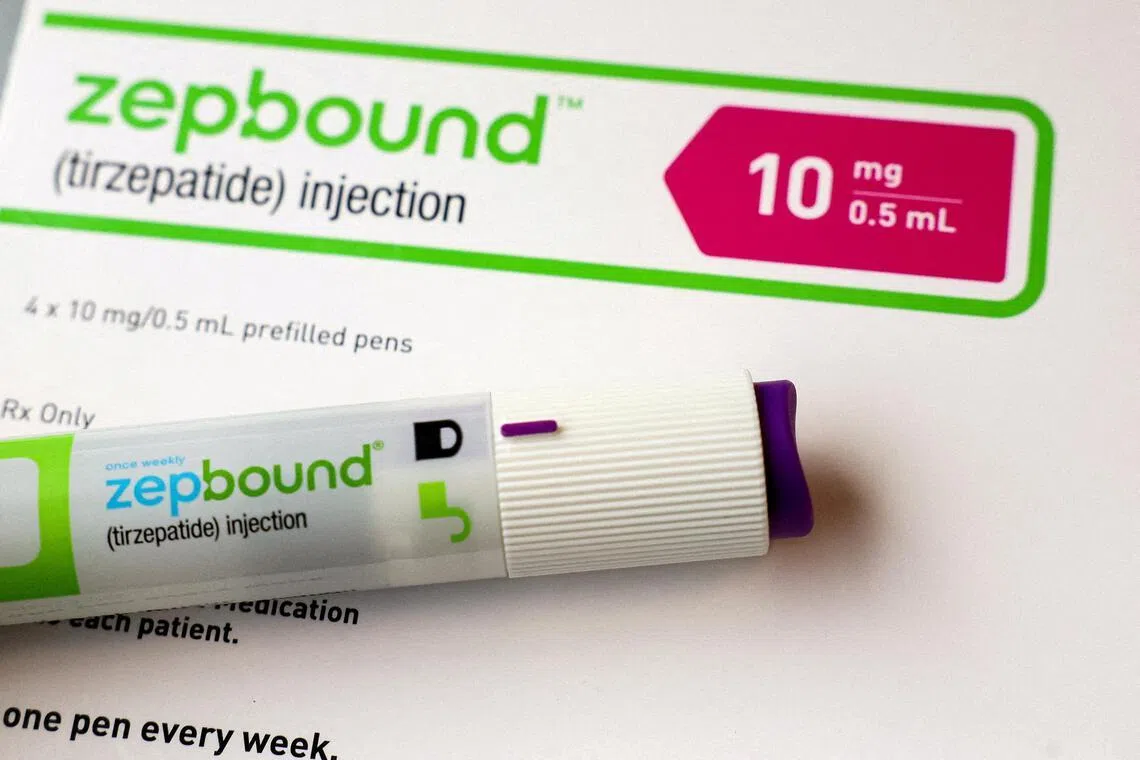
A recent study has highlighted the potential need to monitor frailty risks among older adults who are using GLP-1 drugs, commonly prescribed for obesity and diabetes. These medications, which include popular drugs like Zepbound, work by mimicking hormones that regulate appetite and blood sugar. While the study raises concerns about frailty, experts emphasize that the findings do not establish a causal link between these drugs and adverse outcomes. The research suggests that healthcare providers should be vigilant in assessing the physical well-being of elderly patients taking GLP-1 agonists. This proactive approach aims to ensure patient safety and optimize treatment benefits. Further investigation may be warranted to fully understand the long-term implications of GLP-1 use in this demographic. The focus remains on balancing the well-documented benefits of these drugs with potential risks.
The emergence of GLP-1 drugs as significant therapeutic agents for metabolic health presents a complex interplay between efficacy and patient safety, particularly for vulnerable populations like older adults. This study prompts a critical examination of how pharmaceutical advancements interact with age-related physiological changes. The analysis suggests a need for enhanced pharmacovigilance systems that can detect subtle, long-term effects, moving beyond immediate adverse event reporting. Future drug development and clinical guidelines may need to incorporate frailty assessments as a standard component of care for elderly patients initiating GLP-1 therapies, ensuring that the pursuit of metabolic health does not inadvertently compromise physical resilience.
AI-generated to prompt reflection — not editorial opinion, not advice, not a statement of fact. How this works.