Study Suggests Speed Limits Could Save Up to 90 Lives Annually in Germany
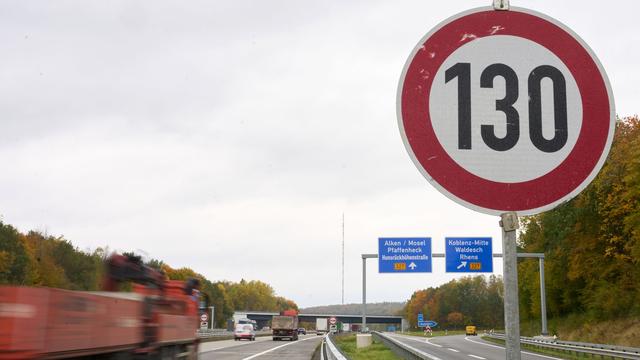
A new study indicates that implementing speed limits on German roads could significantly reduce traffic fatalities. Researchers estimate that up to 90 lives could be saved each year if speed restrictions were in place. The findings highlight the potential impact of speed control measures on road safety across the country. This research provides data-driven insights into the effectiveness of speed limits in preventing accidents and saving lives. The study's conclusions are expected to fuel further discussion among policymakers regarding the introduction or modification of speed regulations on German highways and other roads. The potential for saving nearly a hundred lives annually underscores the importance of this debate.
This study quantifies the potential life-saving benefits of speed limits, suggesting a direct correlation between reduced speeds and fewer fatalities. The analysis points to the inherent trade-off between unrestricted speed and public safety, a common dynamic in transportation policy. As autonomous driving technologies evolve, the debate over human-imposed speed limits may shift, but the fundamental physics of impact and reaction time remain constant. Future policy decisions will likely weigh these safety gains against perceived impacts on traffic flow and economic efficiency, considering the long-term societal value placed on human life.
AI-generated to prompt reflection — not editorial opinion, not advice, not a statement of fact. How this works.