Stuntman Jim van Nes knocked out during Zwarte Cross catapult stunt
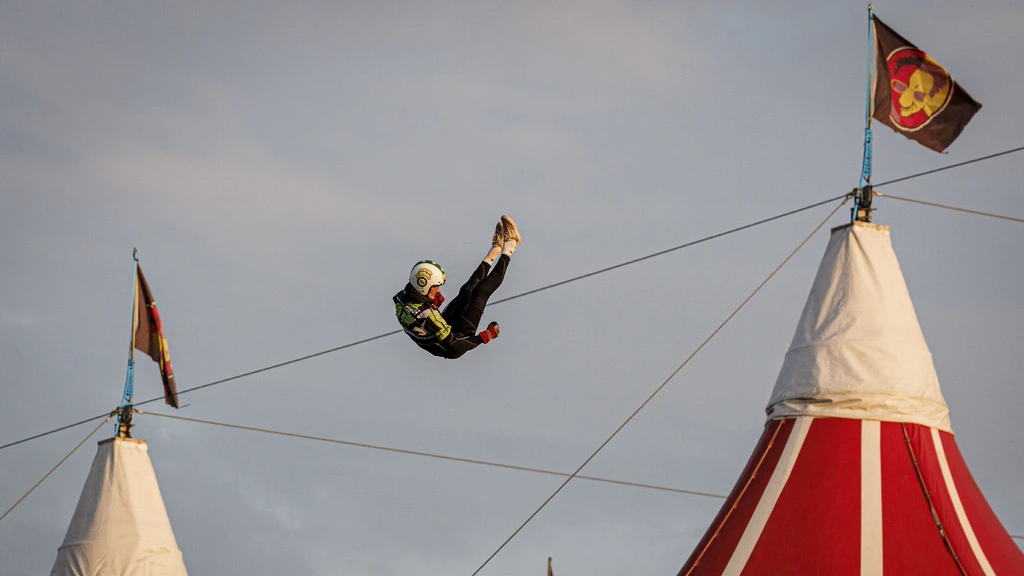
Stuntman Jim van Nes was knocked unconscious for one to two minutes during a catapult stunt at the Zwarte Cross festival in the Achterhoek region. Van Nes was launched 75 meters by a specially designed 35-meter-high catapult, landing on an airbag. However, a slight rotation during the landing caused him to hit his knee against his face, resulting in the loss of consciousness. He was taken to the hospital, where he was diagnosed with a concussion. Van Nes was released from the hospital the following morning and stated he was feeling relatively well, managing the symptoms by avoiding excessive head movement. He described the incident as the worst accident he has experienced, despite having sustained previous injuries like torn ligaments and broken bones. Van Nes had successfully performed the same stunt the previous week without issue. The Zwarte Cross organization reportedly conceived the idea for this catapult stunt a decade ago and revived the plan last year, with a dedicated team extensively testing the apparatus. The stunt was scheduled to be performed multiple times by Van Nes and a colleague. A female stunt performer had previously withdrawn from participating due to perceived risks. Van Nes will be unable to perform further stunts due to his concussion, and the organization will announce later whether his colleague will proceed.
The incident highlights the inherent risks associated with live stunt performances, even when extensive testing and safety measures, such as airbags and specialized equipment, are implemented. The organization's decade-long development of the stunt and prior successful execution suggest a robust safety protocol, yet the unpredictable nature of physics and human physiology can lead to unforeseen outcomes. This event underscores the critical balance between entertainment spectacle and performer safety, prompting a review of risk mitigation strategies in extreme stunt design and execution. Future considerations may involve enhanced real-time monitoring, improved landing dynamics, or alternative stunt concepts that further minimize the potential for severe injury, particularly concerning impacts to the head.
AI-generated to prompt reflection — not editorial opinion, not advice, not a statement of fact. How this works.