Styrene Gas Leak in Manaus: Over 100 Seek Medical Attention, Three Hospitalized
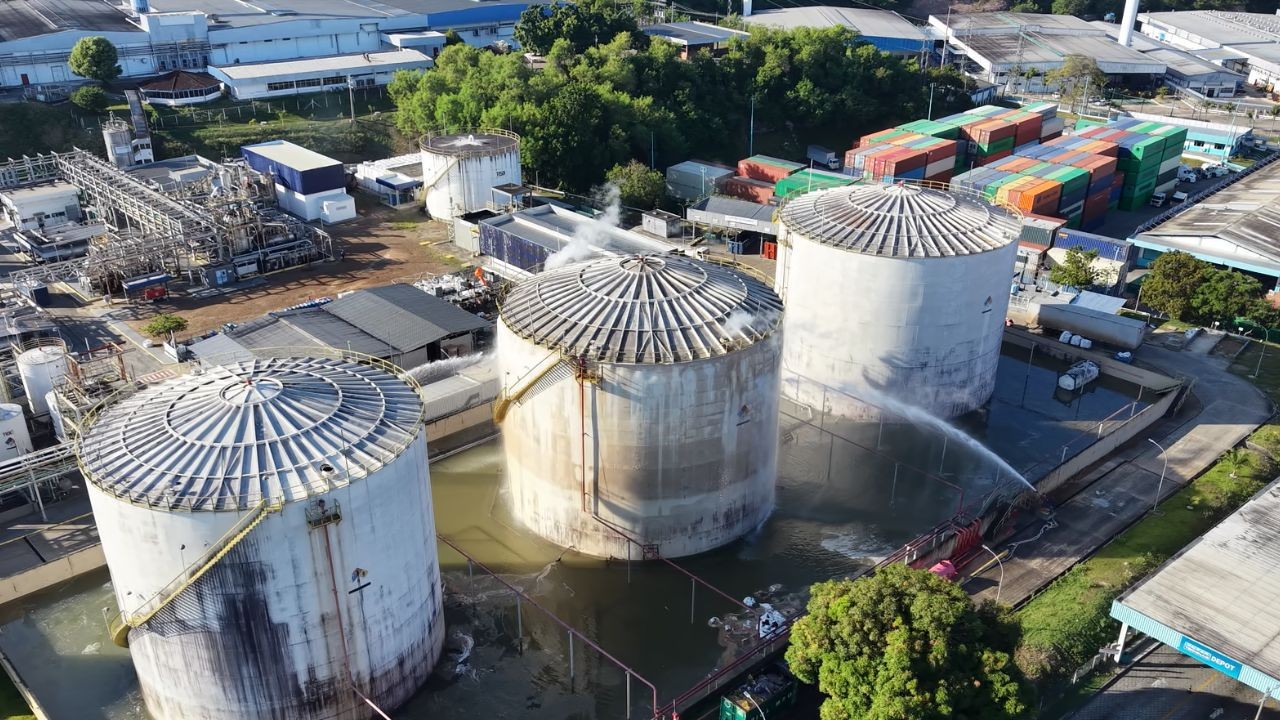
A significant styrene gas leak occurred on Wednesday, April 15th, at the Innova facility in Manaus's Industrial District, impacting 107 individuals who sought medical attention. According to the Amazonas State Health Secretariat (SES-AM), 104 patients have since been discharged, while three remain hospitalized. The leak originated from a storage tank containing styrene monomer, a flammable and toxic substance used in plastic and rubber manufacturing. Firefighters from the Military Fire Brigade of Amazonas (CBMAM) were on-site on Thursday, April 16th, working to cool the tanks, which continued to release vapors at a reduced intensity. Styrene exposure can cause irritation to the eyes, nose, and throat, along with symptoms like headaches, dizziness, and nausea. Health authorities are advising anyone experiencing symptoms to seek medical care and report the exposure. The Civil Defense has recommended staying in well-ventilated areas, keeping windows open, and avoiding external air intake systems. They also urge people to evacuate the immediate vicinity of the leak and avoid the Industrial District I and surrounding areas until further notice. A 67-year-old man with pre-existing conditions, including chronic lung disease and advanced heart disease, reported smelling styrene and died overnight. While medical staff and the death certificate do not initially link his death to gas inhalation, the case has been referred to the Civil Police for investigation. The isolated area around the tank extends 300 meters, and nearby companies were evacuated. The Fire Brigade commander suggested a spontaneous reaction within the tank, leading to overheating and pressure buildup, was the likely cause, noting that safety valves prevented a potential explosion or fire. Several schools, a public service center (PAC), and 18 companies in the Industrial District suspended operations or released employees as a precautionary measure. Innova stated that the situation was controlled according to emergency protocols, with no liquid product escaping containment and no reported injuries, and assured that there is no risk of supply disruption.
The styrene leak incident in Manaus highlights critical industrial safety and emergency response challenges. The event underscores the importance of robust containment systems and proactive maintenance for chemical storage facilities to prevent accidental releases of hazardous materials. Public health advisories and evacuation recommendations demonstrate a functional, albeit reactive, emergency management framework. The investigation into the fatality, despite initial medical assessments, points to the need for thorough forensic analysis to establish causality and prevent future tragedies. Moving forward, regulatory oversight and corporate accountability for adhering to stringent safety standards will be paramount in mitigating risks associated with industrial chemical storage. The incident also prompts consideration of urban planning strategies that balance industrial development with residential proximity and environmental protection, particularly in light of potential long-term health impacts from such exposures.
AI-generated to prompt reflection — not editorial opinion, not advice, not a statement of fact. How this works.