Subantarctic fur seal spotted resting on São Paulo beach, monitored by experts
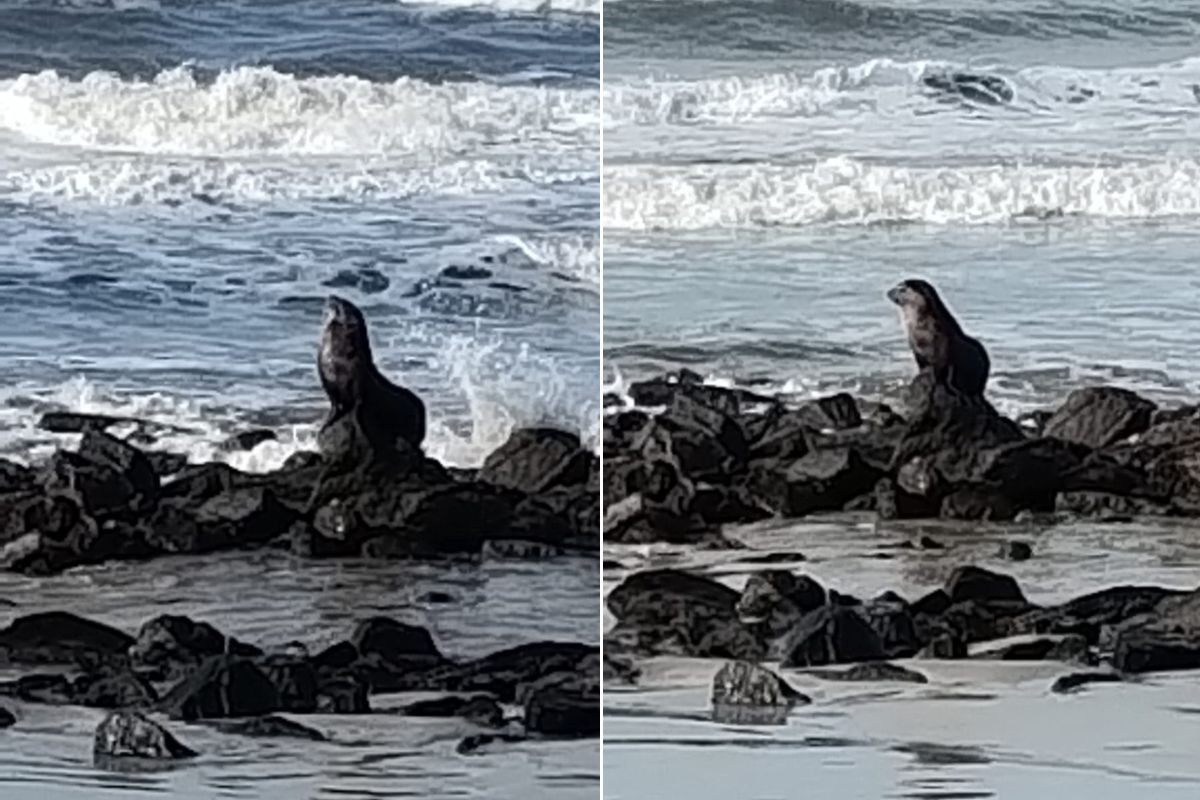
A Subantarctic fur seal (Arctocephalus tropicalis) was observed resting on the Vera Cruz beach in Mongaguá, on the coast of São Paulo, Brazil, on Wednesday, August 8th. The Instituto Biopesca, which is monitoring the animal, stated that the seal appeared to be resting after a migratory journey, a common behavior for the species during winter. These seals typically inhabit the Antarctic continent and its convergence zones, with breeding colonies in regions like the Prince Edward Islands and South Georgia. During the colder months, they migrate to other areas in search of food, which can lead to their appearance on the Brazilian coast. Biologist Eric Comin explained that these semi-aquatic carnivorous mammals, identifiable by their visible external ears and ability to walk on land using their hind flippers, use Brazil primarily as a seasonal refuge rather than for reproduction. The institute has deployed a team to assess the seal's health and provide necessary treatment. While the seal's presence attracted the attention of beachgoers, experts advise maintaining a safe distance, as fur seals are large, territorial animals that can bite if threatened. Authorities should be contacted if a seal is encountered.
The sighting of a Subantarctic fur seal on a Brazilian beach highlights the natural migratory patterns and ecological reach of marine wildlife. While the event is a point of interest for the public and a subject for conservation monitoring, it also underscores the potential for human-wildlife encounters as environmental conditions shift. From a systems perspective, such occurrences can serve as indicators of broader oceanic health and the effectiveness of international conservation agreements in protecting migratory species across vast distances. The need for public awareness regarding safe interaction distances emphasizes the ongoing challenge of balancing human access to coastal areas with the protection of non-human inhabitants, particularly as climate change may alter traditional migratory routes and habitats.
AI-generated to prompt reflection — not editorial opinion, not advice, not a statement of fact. How this works.