Submachine Gun Seized After Neighbor Threat Complaint in Santarém, Brazil
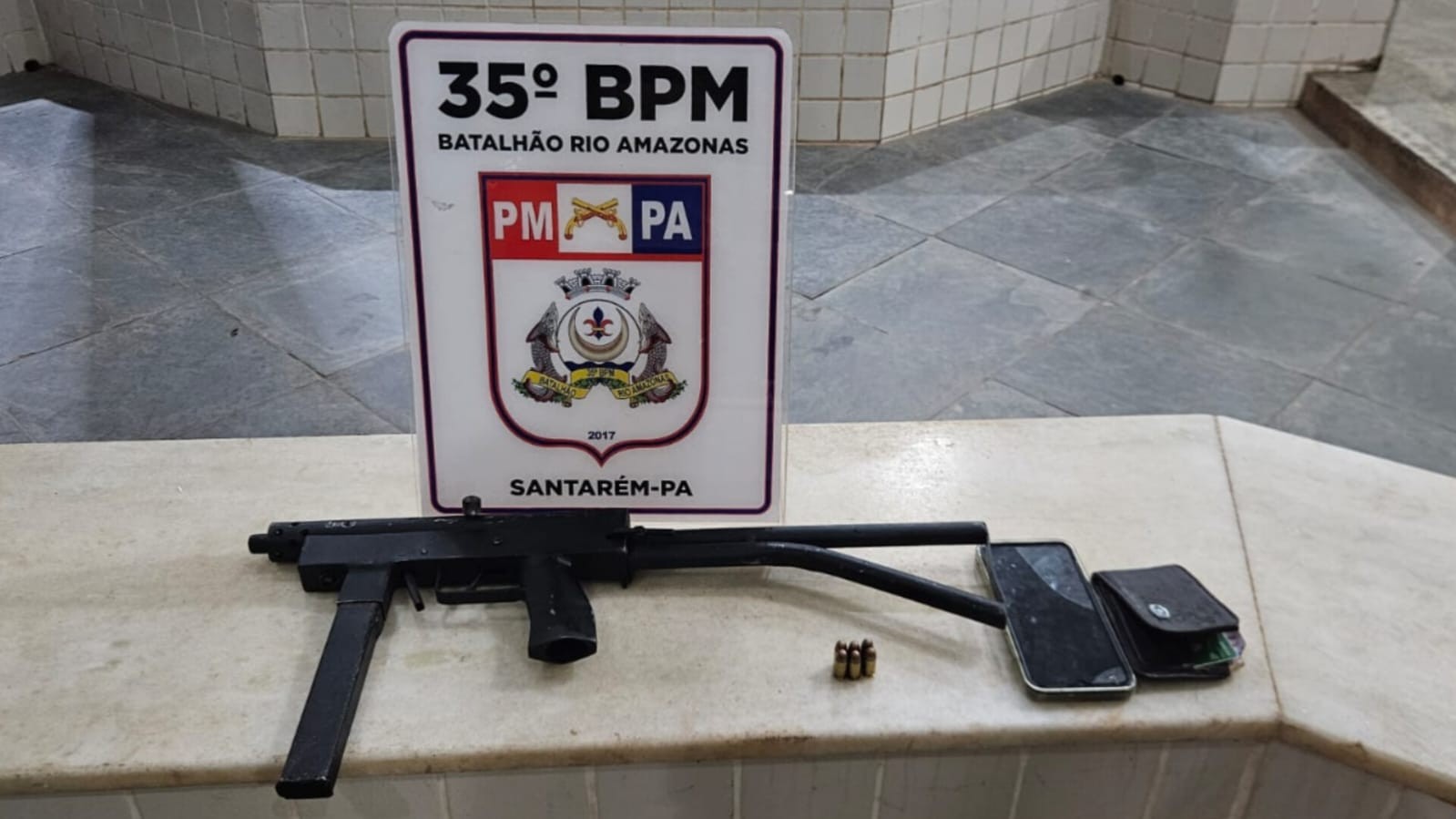
A complaint about a dispute between neighbors in Santarém, Pará, Brazil, led to the seizure of a restricted-use submachine gun and the arrest of a man early Monday, May 13th. Military police from the 35th Battalion responded to a report that the suspect, identified as Waldiney Ferreira, was threatening a female resident with a firearm. Upon arrival at the scene in the Matinha neighborhood, officers discovered a military-grade INA submachine gun, caliber .45, along with ammunition. Initially, the report indicated the suspect possessed a smaller weapon, but the military-grade submachine gun was found without any authorization for possession. The suspect was detained in flagrante delicto and taken to the 16th Urban Precinct of the Civil Police. He stated to the press that he had no prior arrests and declined to comment on the seized weapon. The victim reported that Ferreira allegedly invaded her home, made threats, and attempted to commit indecent acts before she fled with her two children to seek help from neighbors, who then alerted the police. The submachine gun and ammunition were handed over to the Civil Police, who are investigating the weapon's origin and the incident's circumstances. The specific charges against the suspect had not yet been determined at the time of reporting.
This incident highlights the critical intersection of domestic disputes and the presence of military-grade weaponry within civilian communities. The swift police response, prompted by a neighbor's complaint, underscores the importance of community vigilance and reporting mechanisms. The discovery of a restricted submachine gun raises significant questions regarding illegal arms trafficking and the potential for escalation of neighborhood conflicts into severe violence. Future investigations will likely focus on the provenance of the weapon and the suspect's motivations, assessing the broader implications for public safety and regulatory enforcement in the region. Understanding the systemic factors that enable access to such weapons is crucial for developing preventative strategies.
AI-generated to prompt reflection — not editorial opinion, not advice, not a statement of fact. How this works.