Suburban Rail Loop Contracts Raise Questions Amidst $14.5 Billion Price Tag
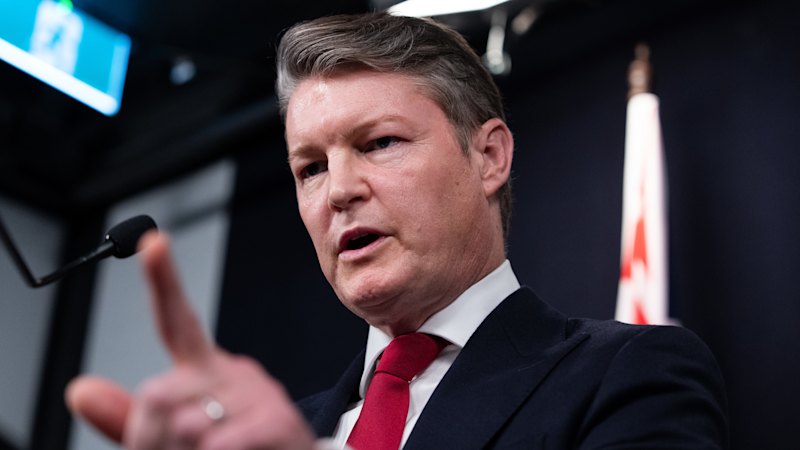
The Suburban Rail Loop project is facing scrutiny as the Victorian government has awarded $14.5 billion in contracts. This significant financial commitment has led to questions about the project's necessity and management. The government, led by figures like Minister for Public Transport Ben Carroll, is pushing forward with the ambitious infrastructure plan. However, the sheer scale of the financial outlay has sparked debate regarding its value and potential impact on public finances. Details surrounding the awarded contracts and the decision-making process are becoming a focal point for public and political discussion. The project aims to connect Melbourne's suburbs, but the substantial investment raises concerns about alternative uses for such funds and the long-term viability of the loop itself. The government maintains that the project is essential for future growth and connectivity within the state.
The substantial $14.5 billion allocated to the Suburban Rail Loop project warrants a thorough examination of its strategic alignment with Victoria's long-term transportation needs and economic development goals. Evaluating the project's cost-benefit ratio against alternative infrastructure investments, such as enhancing existing public transport networks or addressing other pressing public service needs, is crucial. Understanding the governance structures and procurement processes behind these large-scale contracts will shed light on accountability and value for money, particularly in the context of potential future budget constraints or evolving urban mobility trends driven by technological advancements.
AI-generated to prompt reflection — not editorial opinion, not advice, not a statement of fact. How this works.