Sudan Army Drone Strike Kills 35 at Court in North Darfur
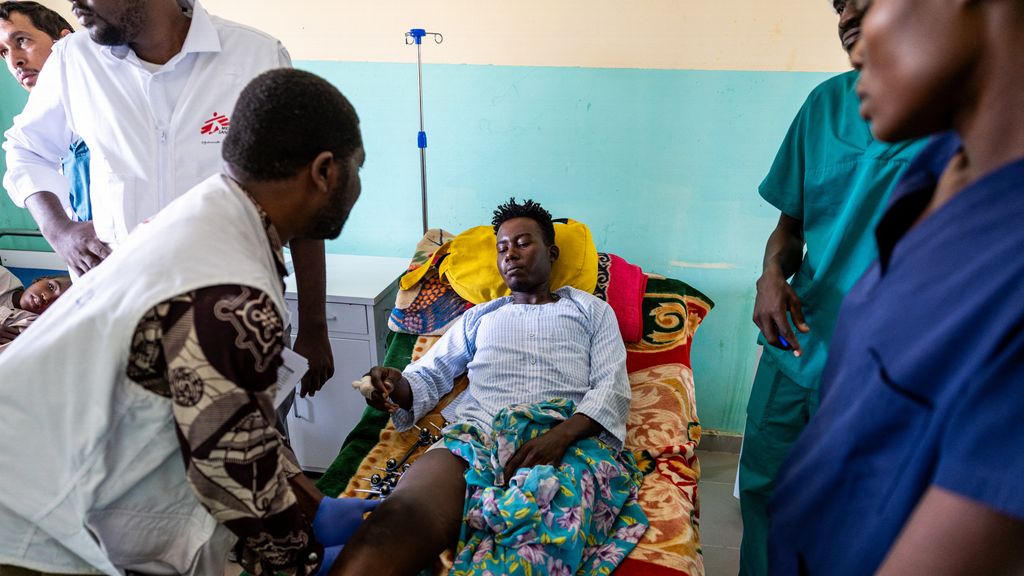
An attack by the Sudanese army using drones on a courthouse in Al-Zawiya Gara village, North Darfur, has resulted in at least 35 deaths and dozens of injuries. The strike occurred while a court session was in progress. Emergency Lawyers, an independent human rights organization documenting atrocities in Sudan, reported the incident on X, stating that drones targeted the court's headquarters. The village is currently under the control of the Rapid Support Forces (RSF), with whom the Sudanese army is engaged in conflict. The organization condemned the attack as a "serious violation of international humanitarian law" and called for an investigation, emphasizing the court's role as a civilian target serving a legal and societal function. The Sudanese army has not yet responded to the incident. This attack occurs amidst a protracted and brutal war between the RSF and the Sudanese government army, which began in April 2023. This conflict has claimed an estimated 59,000 lives, though aid organizations believe the actual toll may be significantly higher, making it the world's largest humanitarian crisis according to the UN. Drone warfare has become a defining feature of the conflict, contributing to a substantial portion of civilian casualties. The ongoing war has displaced millions, leaving 29 million people facing severe food shortages, with famine officially declared in several areas last year. Current fighting is concentrated around El Obeid, a strategic city on a transit route, which is under siege by the RSF, severely limiting access to essential supplies. This situation mirrors the severe humanitarian crisis and alleged atrocities, including signs of genocide, that occurred in Al-Fasher following a prolonged siege.
The reported drone strike on a Sudanese courthouse, resulting in significant civilian casualties, highlights the escalating impact of modern warfare tactics on civilian infrastructure and legal institutions. The use of drones as a primary weapon, as noted by the UN, raises critical questions about accountability and adherence to international humanitarian law, particularly when civilian targets are struck. The conflict's classification as the world's largest humanitarian crisis underscores systemic governance failures and the devastating consequences for civilian populations facing displacement and starvation. Future geopolitical strategies must consider the long-term implications of asymmetric warfare and the erosion of civilian protections, as such conflicts strain international aid mechanisms and create enduring instability.
AI-generated to prompt reflection — not editorial opinion, not advice, not a statement of fact. How this works.
