Sudan Army Links US Peace Plan Acceptance to RSF Withdrawal from Cities
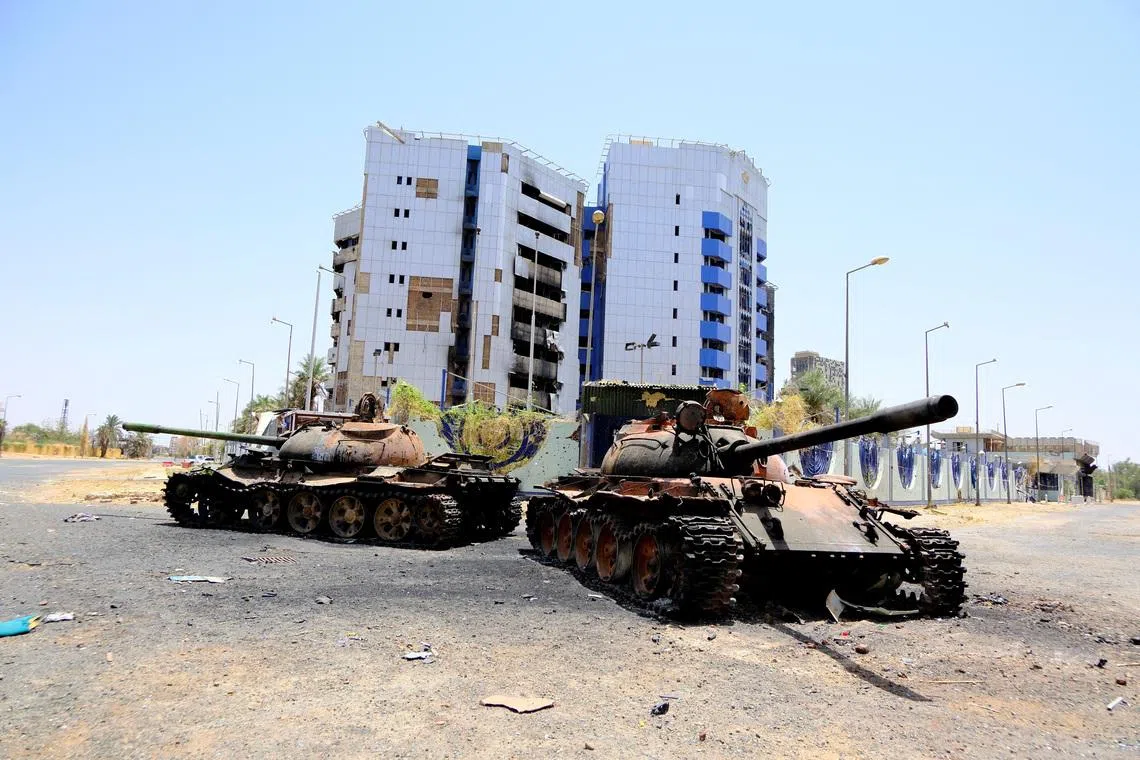
The Sudanese army has stated that its broad acceptance of a U.S. proposal to end the country's civil war is contingent upon the complete withdrawal of the Rapid Support Forces (RSF) from occupied cities. This condition was revealed in documents reviewed by Reuters. The ongoing civil war in Sudan has lasted for three years. The army's stance indicates a firm requirement for the RSF to vacate urban areas as a prerequisite for peace negotiations. This development highlights the significant challenges in reaching a resolution, as the RSF's presence in cities is a major point of contention. The U.S. has been attempting to broker a peace plan to de-escalate the conflict. The army's position, as detailed in the documents, underscores the military's determination to reclaim control over urban centers. The effectiveness of the U.S. peace initiative will likely depend on its ability to address this critical demand from the Sudanese army.
The Sudanese army's precondition for accepting the U.S. peace plan, demanding the full withdrawal of the Rapid Support Forces (RSF) from occupied cities, frames the conflict as a territorial dispute over urban control. This position suggests that the army views the RSF's presence in cities as an occupation rather than a legitimate claim, and thus, a prerequisite for any lasting peace is the restoration of pre-conflict territorial control. From a strategic perspective, the RSF's control over urban centers likely provides them with significant logistical, economic, and political advantages. Their withdrawal would therefore represent a substantial concession, impacting their leverage in future negotiations. The U.S. proposal's success will hinge on its capacity to mediate this fundamental disagreement over territorial sovereignty and the practical implications of withdrawal for both parties involved. Future conflict resolution frameworks may need to incorporate mechanisms for phased withdrawals, security guarantees, and interim governance structures to address such entrenched territorial disputes.
AI-generated to prompt reflection — not editorial opinion, not advice, not a statement of fact. How this works.