Sudan Conflict: Global Interests Overshadow Calls to End El Obeid Fighting
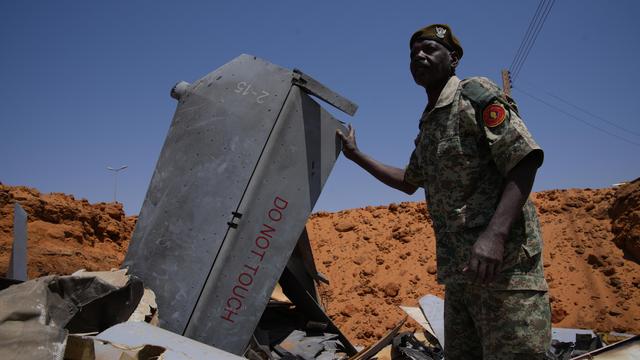
The protracted war of attrition around El Obeid in Sudan is projected to continue for several more months. This extended timeline theoretically provides ample opportunity to mitigate the worst consequences of the conflict. However, the international community's attention and actions are reportedly being diverted by competing global interests, hindering a unified effort to de-escalate the situation. The original report suggests that while the immediate need is to prevent further suffering, external priorities are preventing a decisive intervention. The conflict's duration implies a significant strain on resources and civilian populations in the region. The lack of a strong international push to end the fighting indicates a complex geopolitical landscape where regional stability may be secondary to other strategic concerns.
The protracted conflict in El Obeid, Sudan, highlights a common challenge where localized warfare persists despite the potential for international intervention. The analysis suggests that global geopolitical and economic interests may be overriding humanitarian imperatives, creating a scenario where the resolution of the conflict is secondary to other national or international agendas. This dynamic can lead to prolonged suffering for affected populations and regional instability. Examining the incentive structures of external actors could reveal why preventing the worst outcomes is not prioritized, potentially due to resource allocation, strategic alliances, or a lack of perceived direct benefit from intervention. The situation underscores the complex interplay between national sovereignty, international responsibility, and the pursuit of diverse global interests in conflict zones.
AI-generated to prompt reflection — not editorial opinion, not advice, not a statement of fact. How this works.