Sudanese Civil Society Protests Amidst War and Humanitarian Crisis
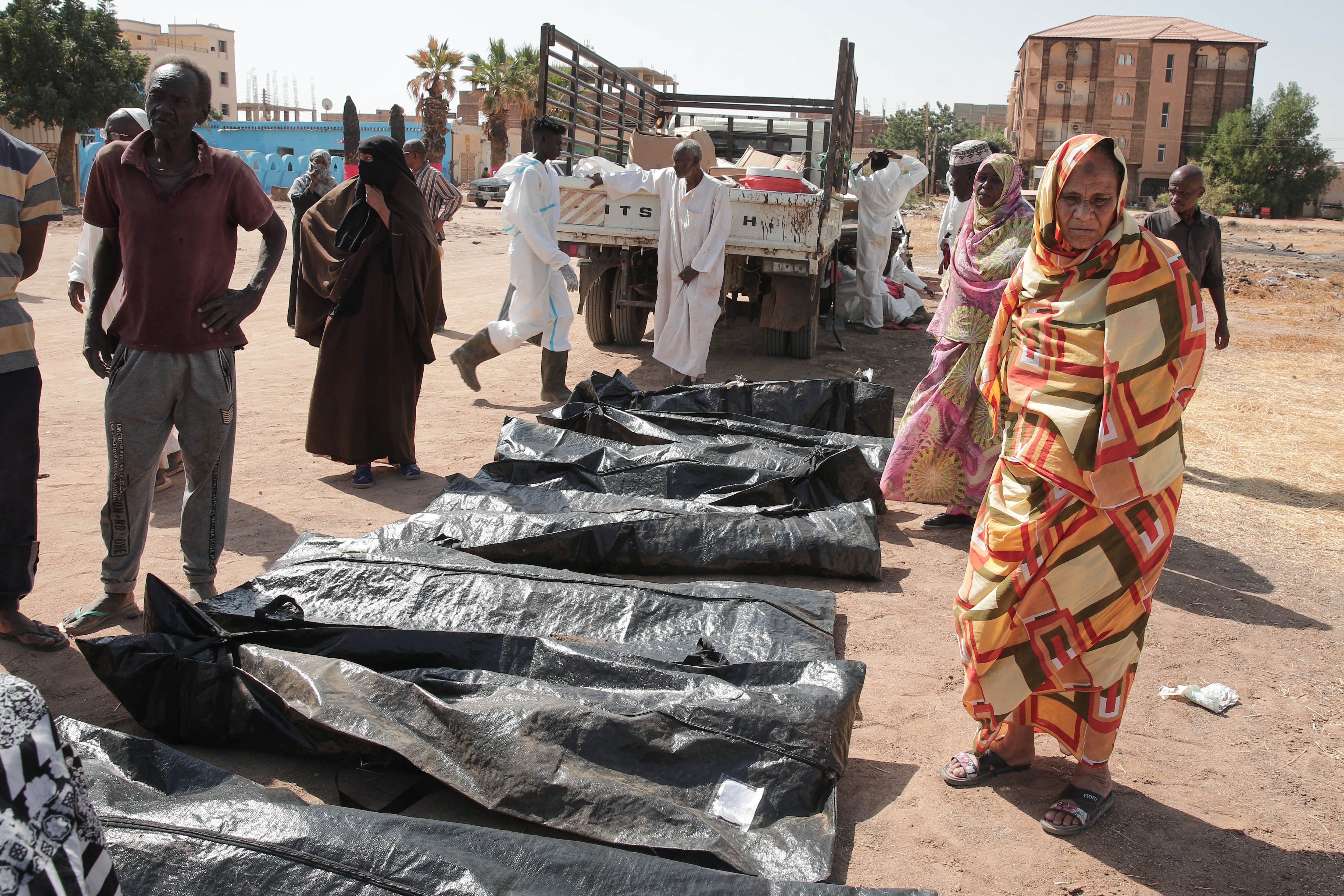
Despite ongoing conflict and the world's most severe humanitarian crisis, civil society in Sudan is demonstrating resilience through increased mobilization. Protests and strikes are occurring across the country, driven by widespread power outages, labor demands, and the deterioration of essential public services. These actions highlight a persistent societal push for better living conditions and governance, even under extreme duress. The Sudanese people continue to voice their grievances and assert their needs through collective action, underscoring a deep-seated desire for stability and improved services. The current situation presents a complex challenge, with humanitarian needs escalating alongside the growing public discontent. The persistence of these demonstrations indicates a significant level of public engagement and a refusal to be silenced by the prevailing war conditions. This ongoing resistance from civil society is a critical factor in the broader Sudanese context, reflecting a population actively seeking solutions and improvements.
The sustained civil society actions in Sudan, even amidst a severe humanitarian crisis and ongoing warfare, reveal a populace prioritizing basic service restoration and labor rights alongside existential threats. This dynamic suggests that fundamental needs and the demand for functional governance persist, irrespective of overwhelming conflict. The resilience of these movements points to underlying societal structures and a collective will that continues to engage with immediate concerns. From a systems perspective, the interplay between conflict, humanitarian aid, and citizen demands creates complex incentive structures for all actors, including the military and international bodies. Future stability may hinge on addressing these persistent domestic grievances, which could either be exacerbated by prolonged conflict or potentially offer avenues for de-escalation if effectively addressed.
AI-generated to prompt reflection — not editorial opinion, not advice, not a statement of fact. How this works.