Sudanese women face drone strikes and rape while fetching water, UN reports
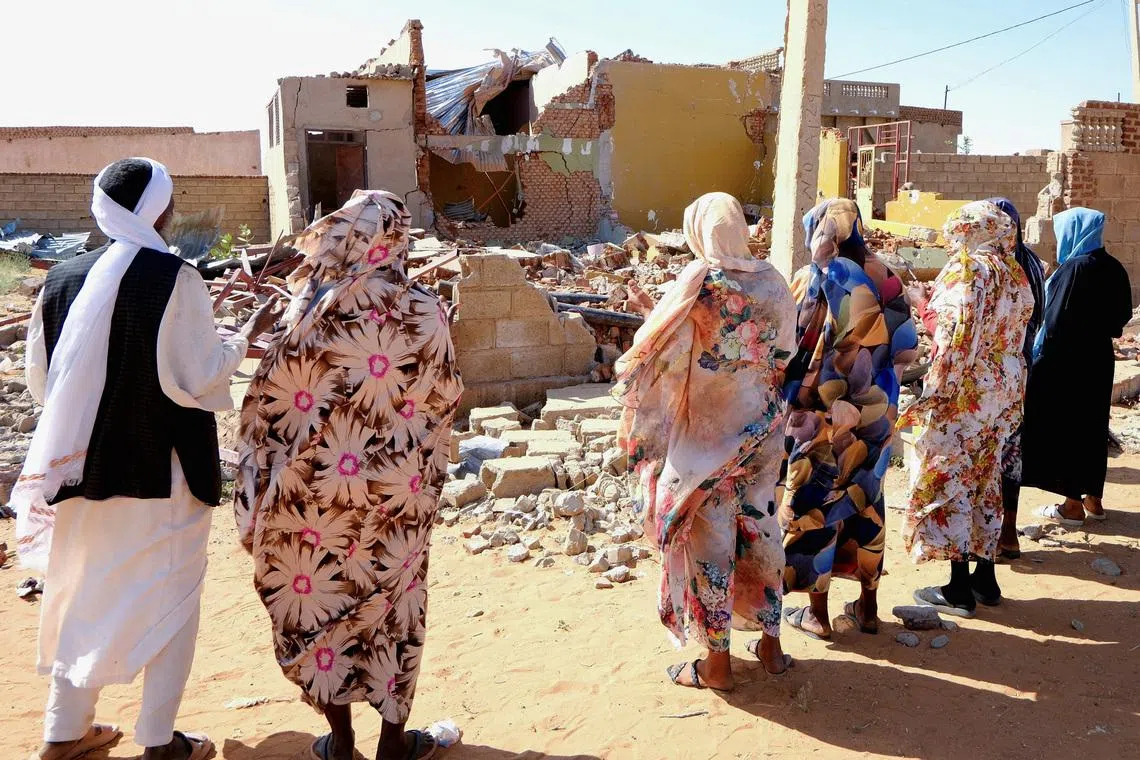
Women and girls in the besieged Sudanese city of al-Obeid are enduring severe hardships, according to UN Women. They are reportedly subjected to drone attacks during the day when they venture out to collect water. At night, the risk of sexual violence escalates for those seeking this essential resource. This grim situation highlights the extreme dangers faced by civilians, particularly women and girls, in conflict zones. The UN Women report, issued on Friday, underscores the critical need for humanitarian access and protection for vulnerable populations. The dual threats of aerial bombardment and sexual violence create an environment of constant fear and insecurity for the residents of al-Obeid.
The reported conditions in al-Obeid illustrate a critical failure in civilian protection mechanisms within conflict zones. The dual threats of drone attacks and sexual violence, particularly for women and girls undertaking essential tasks like water collection, suggest a breakdown in state or non-state actor accountability for adhering to international humanitarian law. This situation raises questions about the effectiveness of existing international oversight and enforcement bodies. The strategic targeting or collateral impact on civilian infrastructure and vulnerable groups, if proven, could indicate a deliberate strategy to disrupt civilian life or a severe disregard for human safety. Addressing this requires not only immediate humanitarian intervention but also a long-term focus on accountability frameworks and strengthening protections for civilians in areas affected by armed conflict, considering the increasing prevalence of drone warfare and its implications for non-combatants.
AI-generated to prompt reflection — not editorial opinion, not advice, not a statement of fact. How this works.