Sudden Storm Terrifies Tourists at Christ the Redeemer in Rio de Janeiro
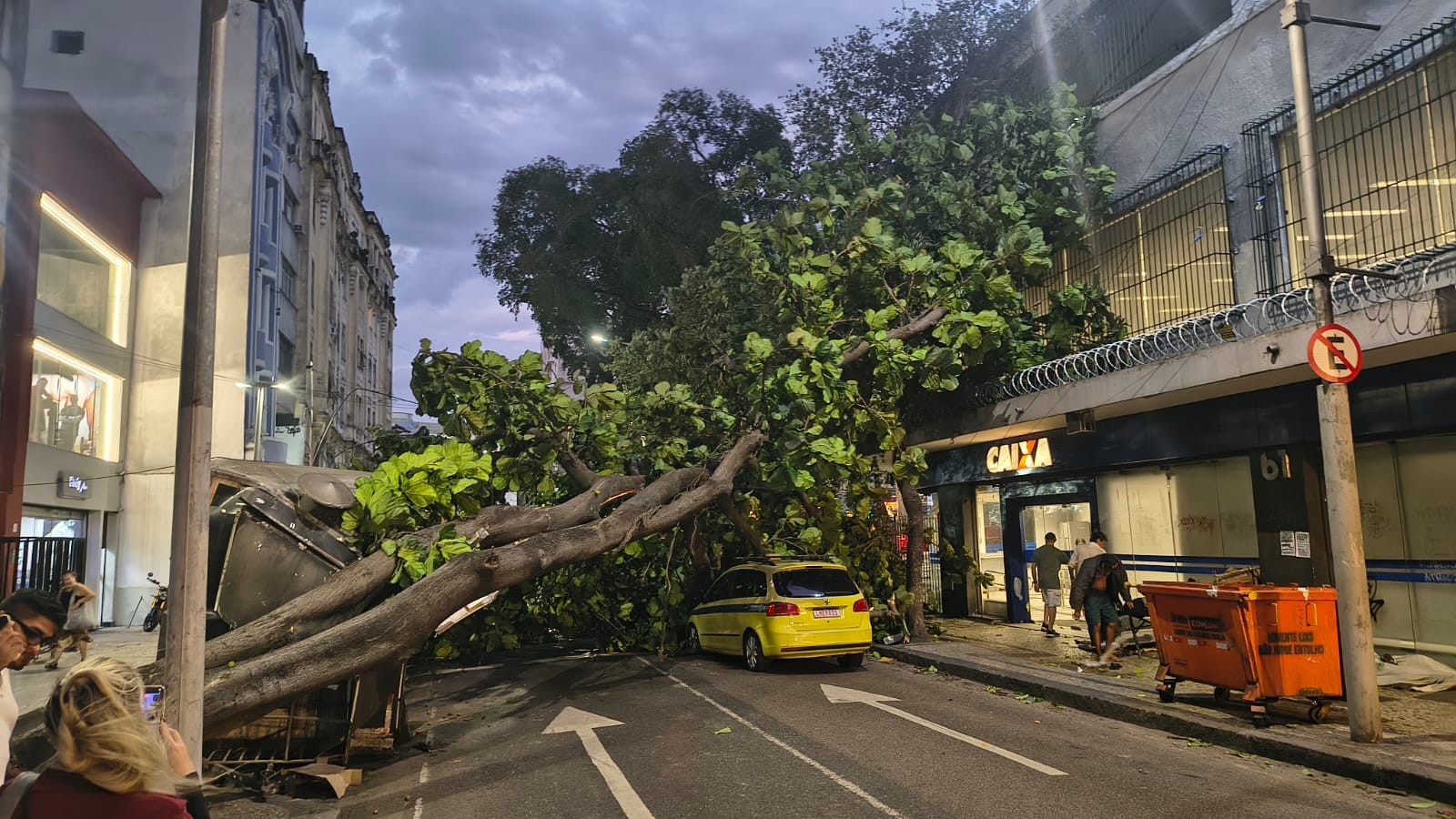
A sudden, powerful windstorm surprised tourists visiting the Christ the Redeemer statue in Rio de Janeiro on Wednesday, July 29th. The storm, characterized by gusts exceeding 100 km/h, arrived with a cold front that affected the Rio de Janeiro coast and other parts of southeastern Brazil. Hannielly Lopes, a biomedicine student from Bahia, captured video of the event, describing the rapid and unexpected shift in weather from a beautiful day to a fierce gale. She recounted how her group initially reacted with nervous laughter but quickly became concerned for their safety, prompting them to seek shelter. The extreme winds caused significant disruption across the city and its metropolitan region. Two people tragically died after being hit by a falling wall in Santa Teresa, and a fisherman went missing in Angra dos Reis. The Galeão airport recorded gusts of 105 km/h, and the city entered Alert Level 2. Power outages affected numerous neighborhoods, leading to the suspension of train and metro services, and causing traffic chaos due to inoperable traffic signals. Emergency services responded to 30 incidents of fallen trees, 26 rescues, and 4 building collapses. The Santos Dumont Airport closed for operations, while Galeão rerouted five incoming flights. Public authorities advised residents to avoid travel, and the Rio-Niterói Bridge implemented a convoy system to manage traffic during the high winds.
The event highlights the vulnerability of urban infrastructure and tourism sites to extreme weather, exacerbated by rapid climate shifts. The sudden onset of the storm underscores the challenges in forecasting and communicating localized, high-impact meteorological events, even with existing weather fronts. The severe disruptions, including fatalities and widespread power outages, point to systemic issues in urban resilience, emergency preparedness, and the maintenance of public infrastructure, particularly in densely populated areas. Future planning must integrate more robust climate adaptation strategies for critical sites and transportation networks to mitigate risks associated with increasingly unpredictable weather patterns.
AI-generated to prompt reflection — not editorial opinion, not advice, not a statement of fact. How this works.