Sudden Transfer of 18 Police Officers at Nepal's Anti-Corruption Watchdog Sparks Questions
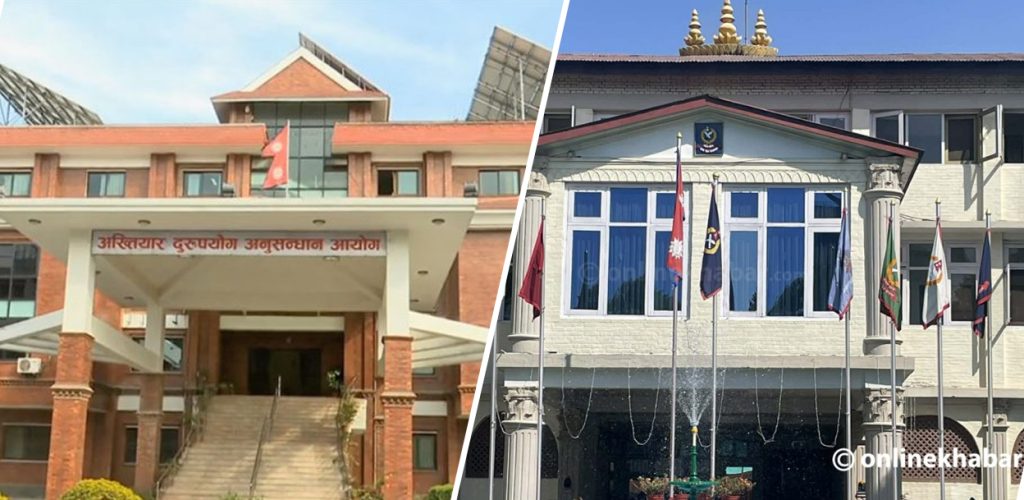
The abrupt transfer of 18 police officers serving at Nepal's Commission for Investigation of Abuse of Authority (CIAA), the nation's anti-corruption watchdog, has raised significant questions about the working style of both the commission and the government. These officers were moved without prior consultation with the CIAA, an independent and autonomous constitutional body. This lack of consultation has led to public scrutiny regarding the decision-making processes within these institutions. The CIAA plays a crucial role in upholding transparency and accountability in public service, making the sudden personnel changes a matter of concern for good governance advocates. The government's involvement in such transfers, particularly without consulting the affected autonomous body, suggests potential interference or a disregard for established operational protocols. This event highlights a broader discussion about the autonomy of constitutional commissions and the mechanisms of administrative transfers within Nepal's governmental structure. The transparency and impartiality of the anti-corruption efforts could be impacted by such actions, prompting calls for clearer procedures and greater respect for institutional independence.
The sudden, unconsulted transfer of 18 police officers from Nepal's anti-corruption commission, the CIAA, raises concerns about institutional autonomy and governance. Such actions can undermine the operational independence of constitutional bodies tasked with combating corruption, potentially impacting their effectiveness and public trust. The incentive structure for officials in such sensitive roles may be affected by unpredictable administrative decisions, possibly leading to a chilling effect on their work or creating opportunities for undue influence. Looking ahead, ensuring the long-term integrity and impartiality of anti-corruption efforts will require robust frameworks that safeguard these institutions from political interference and promote transparent, merit-based personnel management, aligning with the principles of good governance in an increasingly complex geopolitical landscape.
AI-generated to prompt reflection — not editorial opinion, not advice, not a statement of fact. How this works.