Suez Canal: A Vital Artery for Global Trade
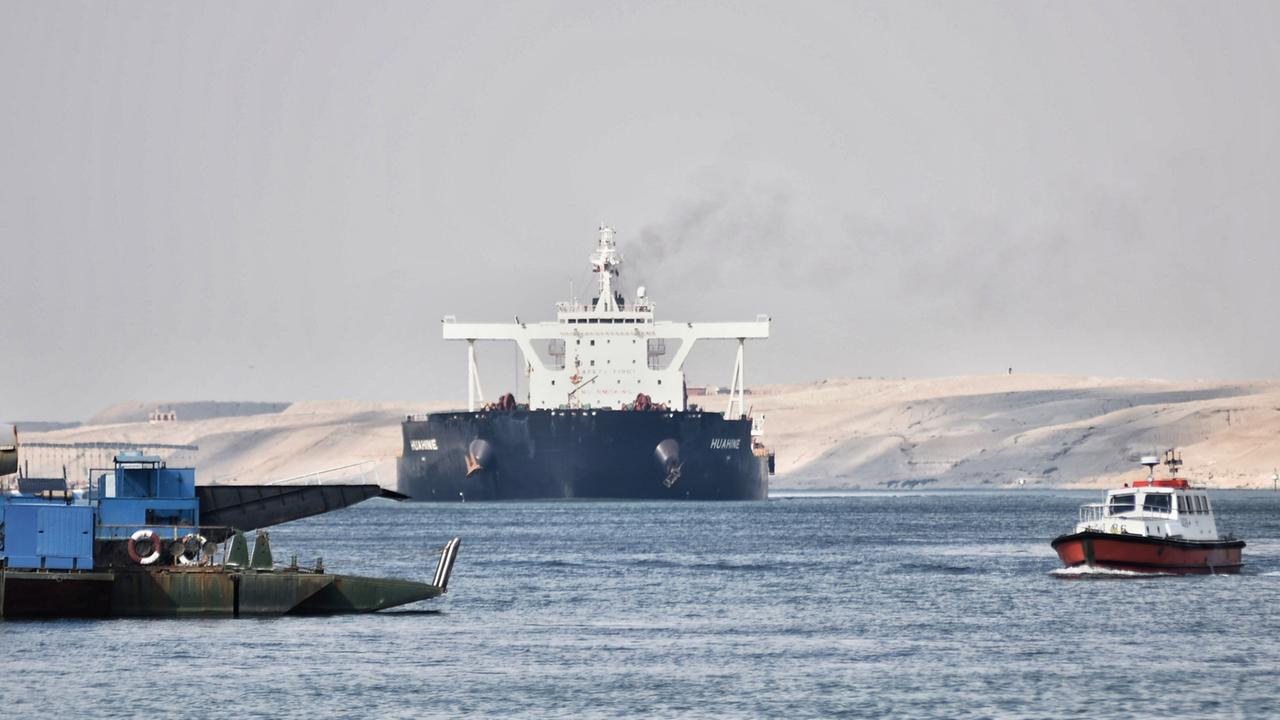
While global attention is currently focused on the Strait of Hormuz as a critical maritime route, the Suez Canal in Egypt holds comparable significance for the world economy. This vital waterway has historically been so important that wars have been fought over its control. Jürgen Stryjak discusses the immense value of the Suez Canal to international trade and commerce. The canal serves as a crucial chokepoint, facilitating the movement of goods between Europe and Asia. Its strategic location drastically reduces shipping times and costs compared to circumnavigating Africa. The economic impact of any disruption to the Suez Canal is therefore profound, affecting supply chains and global markets. Its historical importance underscores its enduring role in shaping international relations and economic stability. The canal's continued relevance highlights the interconnectedness of global trade and the infrastructure that supports it.
The Suez Canal's enduring strategic importance underscores the critical role of fixed infrastructure in global supply chains. Its chokepoint nature creates inherent vulnerabilities, making it a focal point for geopolitical and economic considerations. Future trade dynamics, influenced by technological advancements in shipping and evolving global power structures, will continue to test the resilience and security of such vital arteries. Understanding the historical context of conflicts over the canal provides valuable insight into the long-term incentives for maintaining its stability and accessibility for international commerce.
AI-generated to prompt reflection — not editorial opinion, not advice, not a statement of fact. How this works.