Suez Canal Faces Closure Risk, Impacting Asian and Global Markets
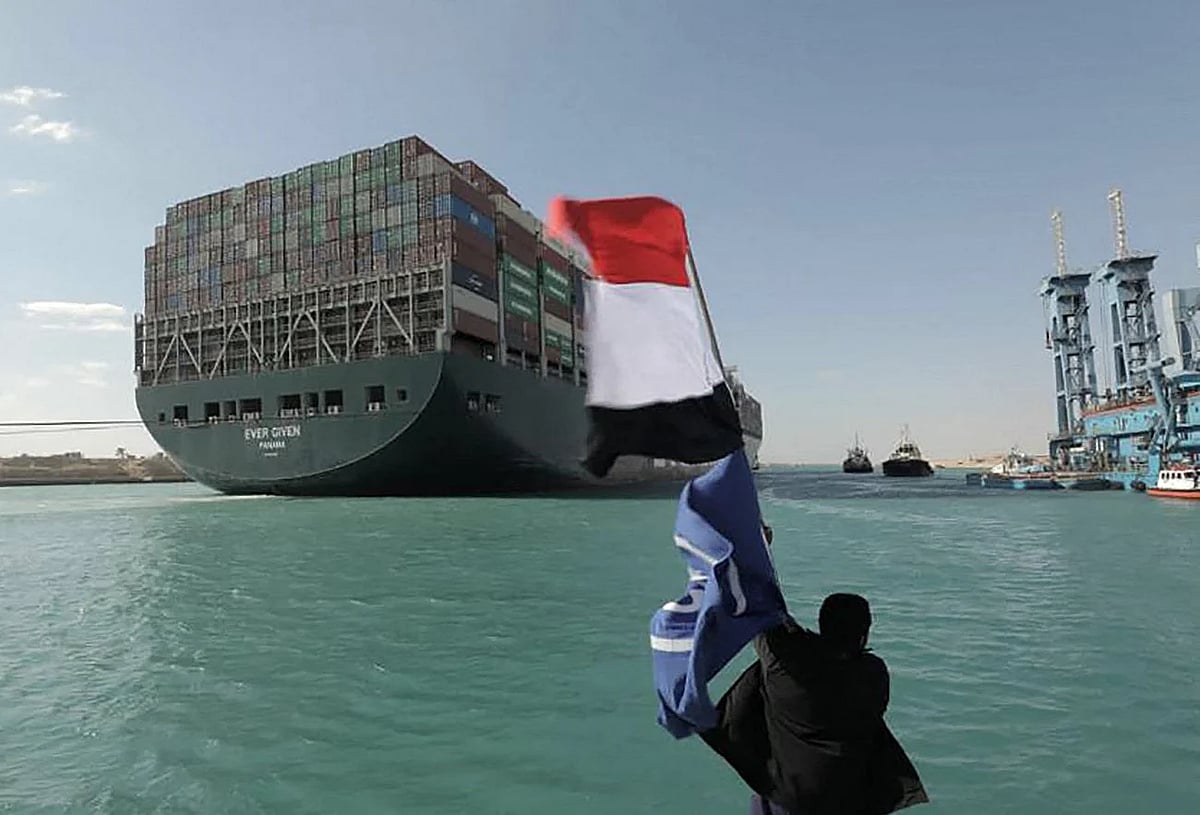
Following the onset of the Iran war, Saudi Arabia began redirecting a significant portion of its oil shipments to the Red Sea and the port of Yanbu. However, recent Houthi attacks have forced many oil tankers to avoid this route as well. This escalating security situation raises concerns about the potential closure of the Suez Canal, a critical chokepoint for global trade. Such a closure would have profound implications for energy supplies and commodity prices worldwide, particularly affecting Asian markets that rely heavily on this transit. The disruption could lead to increased shipping costs and longer delivery times, impacting various industries and consumers globally. The redirection of oil to the Red Sea was an attempt to mitigate risks, but the Houthi attacks have now jeopardized this alternative route. The international community is closely monitoring the developments, as a closure of the Suez Canal could trigger significant economic instability.
The escalating Houthi attacks in the Red Sea, prompted by regional conflicts, are creating significant logistical challenges for global energy transport. The redirection of Saudi oil, initially a strategic response to wartime disruptions, is now itself under threat, highlighting the interconnectedness and fragility of global supply chains. The potential closure of the Suez Canal, a vital artery for international commerce, underscores the systemic risks posed by geopolitical instability to economic stability. This situation prompts consideration of the long-term need for diversified energy routes and enhanced maritime security infrastructure to mitigate the impact of localized conflicts on global markets. The economic ramifications could extend beyond oil prices, affecting the cost of goods and inflation worldwide.
AI-generated to prompt reflection — not editorial opinion, not advice, not a statement of fact. How this works.