Sugar-Coated Nanoparticles Boost Survival in Mouse Brain Cancer Model by 50%
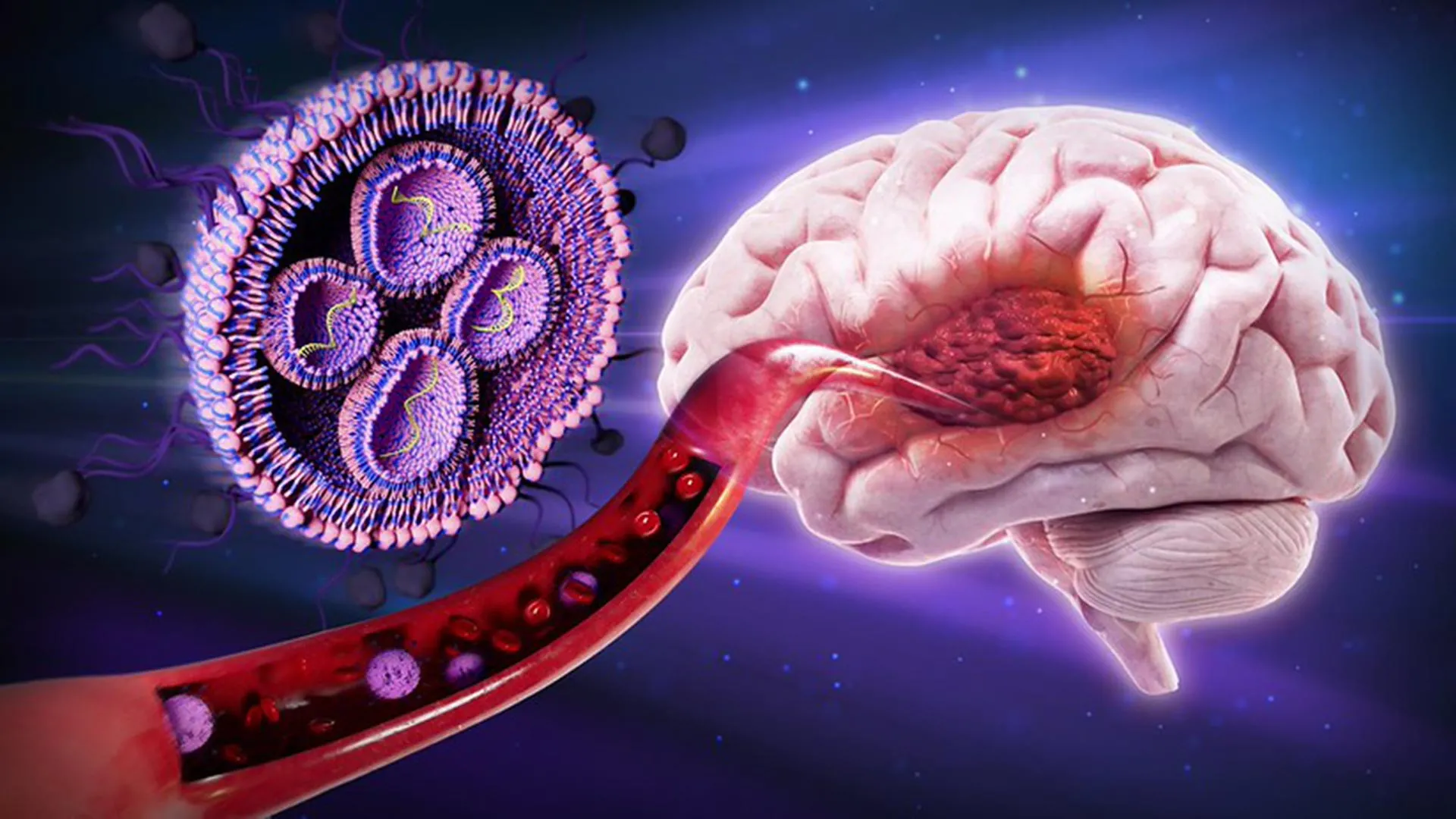
Researchers have developed an experimental therapy using sugar-coated nanoparticles to deliver genetic instructions into brain cancer cells, potentially overcoming the blood-brain barrier. This approach aims to restore a crucial tumor-suppressing protein within the cancerous cells. In studies conducted on mice, this novel treatment significantly improved median survival rates by 50%. Furthermore, the therapy was effective in shrinking tumors. Importantly, the treatment did not appear to cause noticeable damage to other organs in the test subjects. This breakthrough offers a promising new avenue for combating glioblastoma, a particularly aggressive form of brain cancer.
This development in nanomedicine presents a novel strategy for drug delivery across the blood-brain barrier, a significant hurdle in treating brain cancers like glioblastoma. The use of sugar-coated nanoparticles to deliver genetic material directly to tumor cells represents an innovative approach to restoring tumor suppressor functions. While promising in preclinical mouse models, the translation to human efficacy will depend on factors such as precise dosage, long-term safety profiles, and the ability to overcome potential immune responses. Future research will likely focus on optimizing the nanoparticle design for enhanced targeting and reduced off-target effects, as well as exploring its potential in combination therapies to address the complex biological landscape of glioblastoma. The long-term implications for cancer treatment paradigms, particularly in the context of personalized medicine and advanced drug delivery systems, warrant close observation over the next decade.
AI-generated to prompt reflection — not editorial opinion, not advice, not a statement of fact. How this works.