Sugar-Coated Nanoparticles Show Promise in Shrinking Brain Tumors in Mice
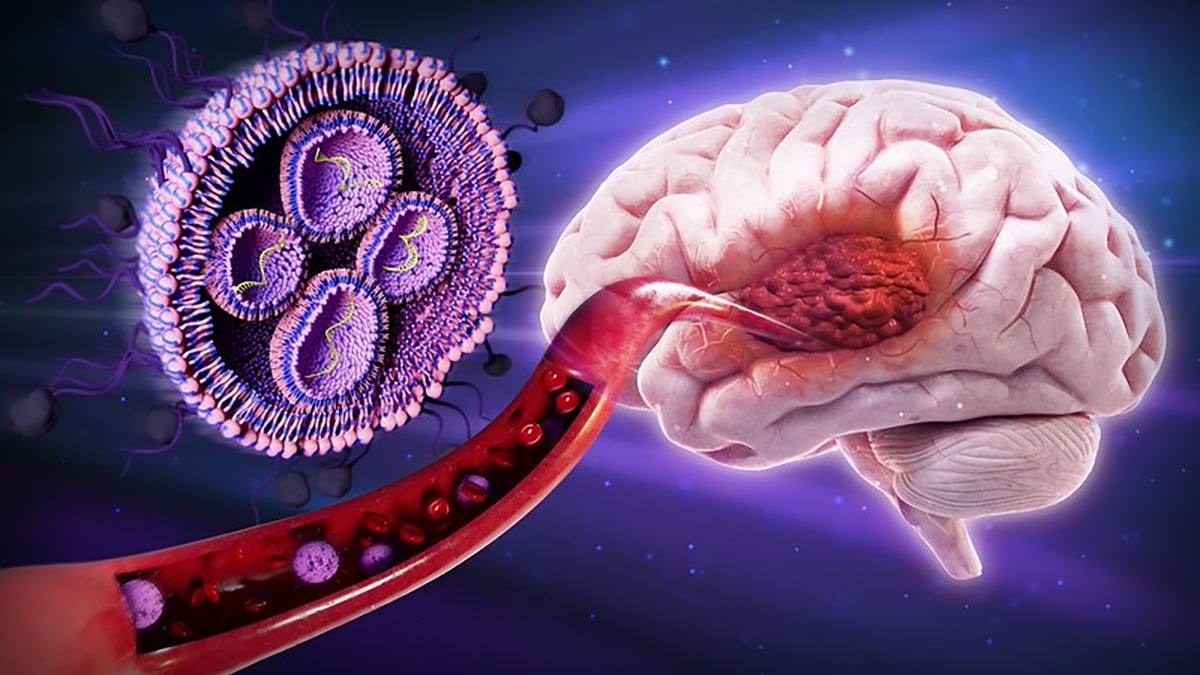
Researchers have developed a novel approach using sugar-coated nanoparticles to target and shrink deadly brain tumors in mice. This innovative treatment offers a new avenue of hope for patients battling aggressive forms of brain cancer. The study, detailed in a recent publication, highlights the potential of nanotechnology in overcoming the challenges associated with treating brain tumors, such as the blood-brain barrier. The nanoparticles are designed to specifically seek out and interact with tumor cells, delivering therapeutic agents directly to the affected area. This targeted delivery aims to minimize damage to healthy brain tissue, a common side effect of traditional cancer therapies. Early results in animal models have been encouraging, demonstrating a significant reduction in tumor size and improved survival rates. Further research and clinical trials will be necessary to determine the efficacy and safety of this treatment in humans. However, the findings represent a significant step forward in the ongoing fight against brain cancer.
This development in targeted nanoparticle therapy for brain tumors represents a potential paradigm shift in oncology, moving towards precision medicine. The use of sugar-coating to enhance delivery and specificity addresses a critical hurdle in treating central nervous system malignancies. Future research will likely focus on scaling production, optimizing nanoparticle design for human physiology, and navigating the complex regulatory pathways for novel drug delivery systems. The long-term implications could involve reduced systemic toxicity and improved quality of life for patients, provided efficacy and safety are robustly demonstrated in human trials. This approach underscores the growing synergy between materials science, nanotechnology, and medicine in tackling intractable diseases.
AI-generated to prompt reflection — not editorial opinion, not advice, not a statement of fact. How this works.