Sugar Mill Accused of Continued Pollution After Massive Fish Kill in Brazil
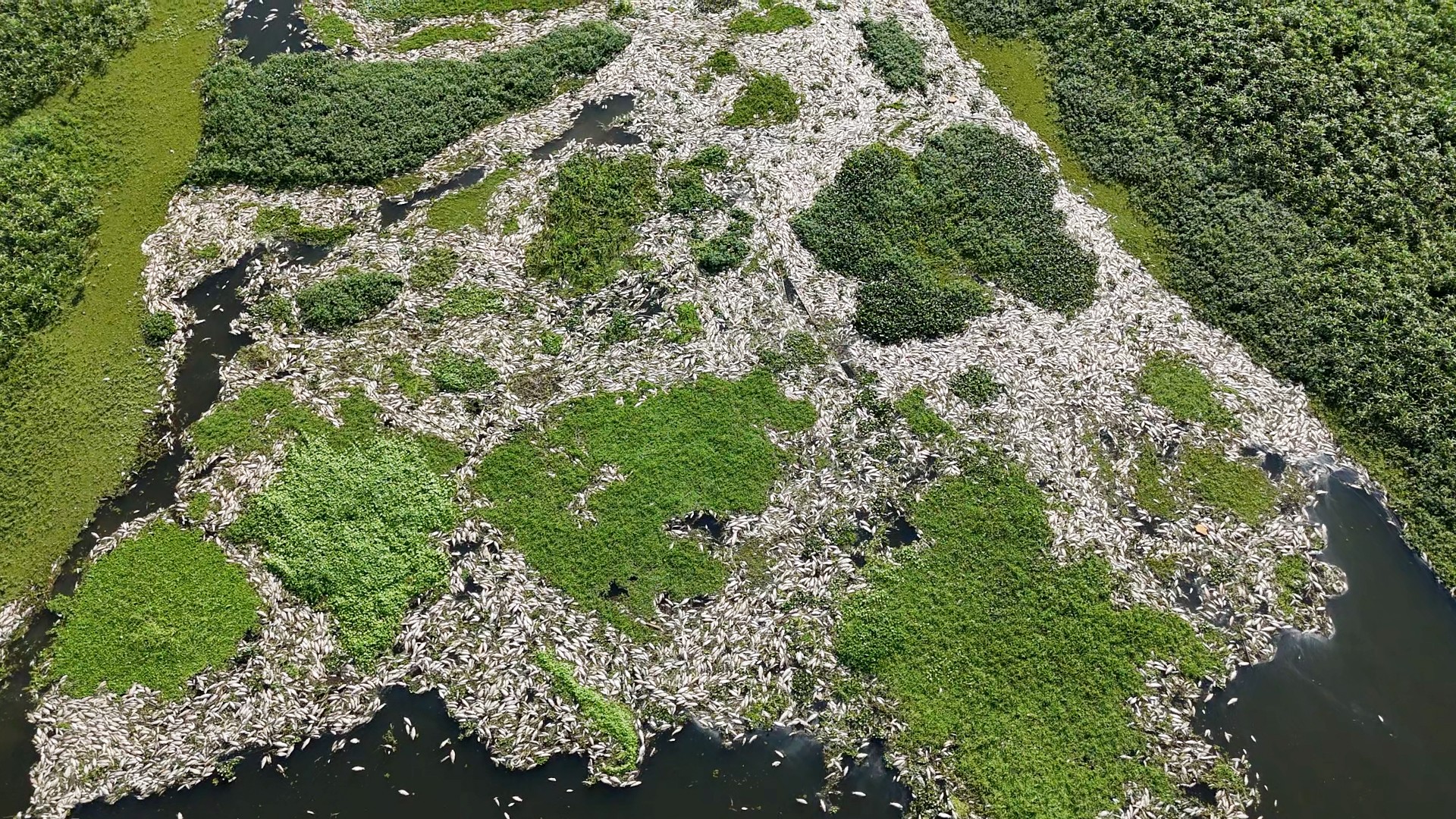
The Public Ministry (MP) in Piracicaba, São Paulo, Brazil, has stated that Usina São José S/A Açúcar e Álcool continued to pollute the Piracicaba River even after a major environmental disaster in July 2024. This disaster resulted in the death of approximately 253,000 fish over a 70-kilometer stretch, impacting the Tanquã Permanent Protection Area, known as the "mini-pantanal" of São Paulo. The MP's recent filing on July 6th cites Federal Police reports indicating effluent pollution from the sugar and ethanol activity was 58 times above the legal limit. Evidence also includes accounts of nighttime waste disposal and alleged orders from company management to conceal molasses using tools. The sugar mill has refused to sign a Term of Conduct Adjustment (TAC) proposed by the MP, which included compensation for fishermen, restocking the river, and environmental monitoring. The company disputes the MP's findings, arguing the event was accidental and less severe than reported, and has sought to significantly reduce a R$18 million fine, now updated to R$21.9 million. Technical reports from October 2025 revealed Biochemical Oxygen Demand (DBO) levels of 3,534 mg/L in samples taken from the mill, far exceeding the legal limit and characteristic of sugar industry effluents. These reports also noted abrupt reductions in discharge flow post-sampling, suggesting controlled releases rather than accidental spills. Testimony from former employees describes orders to hide molasses residue and routine nighttime dumping of waste directly into the river to evade inspection. The mill resumed operations in Rio das Pedras in 2025 after regaining its operating license, though Cetesb stated in July 2026 that its activities remained suspended pending legal processes.
The ongoing dispute between the Public Ministry and Usina São José highlights a systemic tension between industrial development and environmental protection in Brazil's vital agricultural regions. The accusations of continued pollution and evidence of deliberate concealment suggest a potential disconnect between regulatory oversight and corporate compliance, particularly concerning the sugar and ethanol industry's significant environmental footprint. The company's refusal to engage with the proposed settlement, opting instead for legal defense and challenging the scale of the disaster, points to a strategy of minimizing financial and reputational liability. This approach, while legally permissible, risks prolonging environmental remediation and undermining public trust. Future regulatory frameworks may need to incentivize proactive environmental stewardship and more robust enforcement mechanisms to prevent recurrence of such large-scale ecological damage and ensure accountability for industrial actors.
AI-generated to prompt reflection — not editorial opinion, not advice, not a statement of fact. How this works.