Sugarcane Products Draw Crowds at Expocrato Agricultural Fair
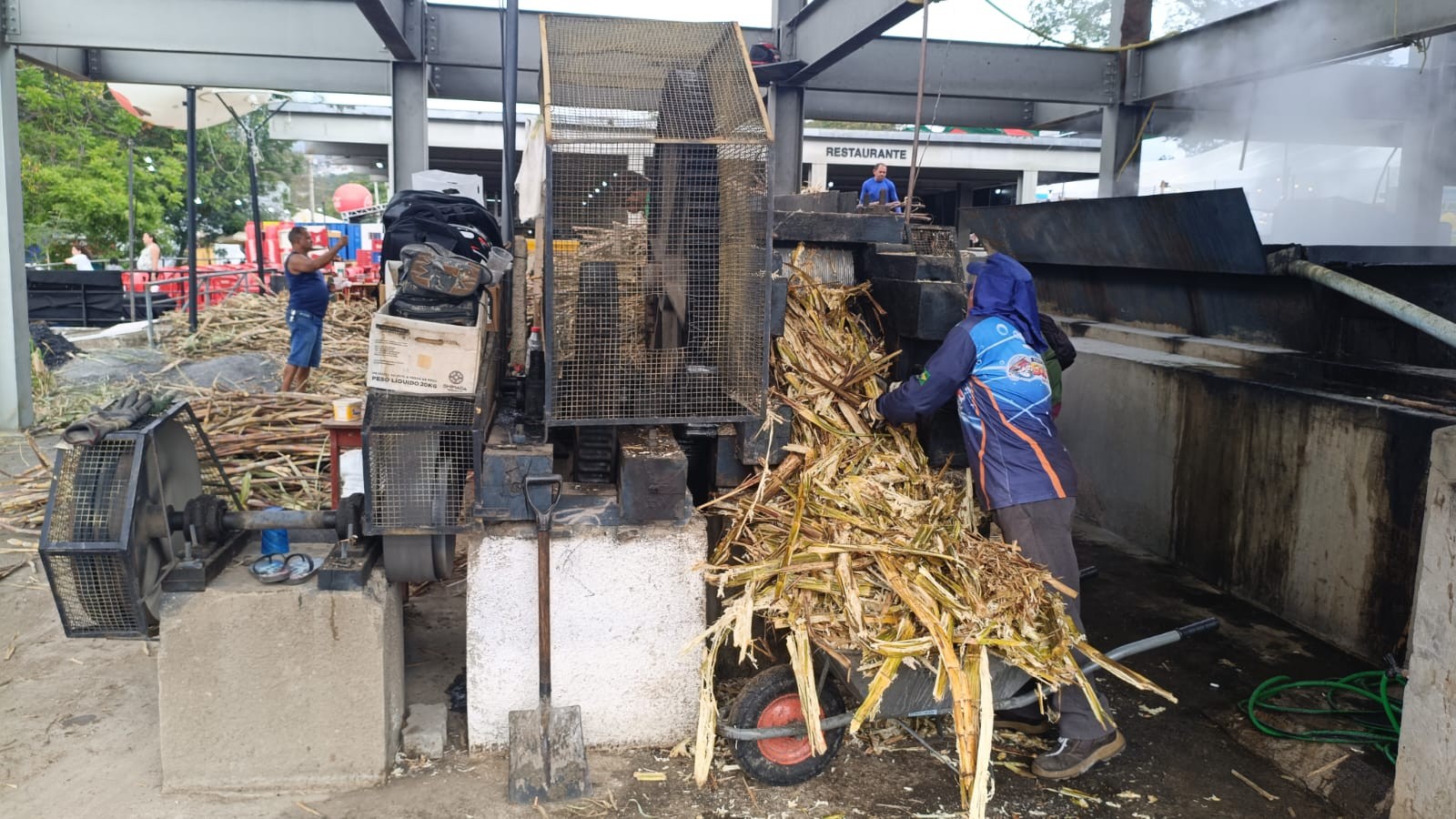
The Expocrato agricultural fair in Crato, Ceará, is featuring a traditional sugarcane mill that has become a major attraction for visitors. The mill, located within the Pedro Felício Cavalcanti Exhibition Park, offers fresh sugarcane juice, as well as other derivatives like rapadura (unrefined whole cane sugar), sugarcane "batida" (a mixed drink), honey, and alfenim (a type of sweet). The sugarcane used is sourced from the Arajara district in Barbalha and is ground fresh on-site to produce these items. The mill opens early, around 6:30 AM, and operates until approximately 10:30 PM, with sales often accompanied by traditional pastels. This year, the fair anticipates using around 95 tons of sugarcane. Professor Érico Robson, attending with his family, highlighted the event as a cherished tradition, evoking childhood memories and providing a way to bring family together. The fair, which runs until Sunday, July 19th, also showcases 3,000 animals and a craft space. Maria Celene do Nascimento, a first-time vendor at the mill, described the work as intense but rewarding due to the constant customer activity. Paulo Calixto, 71, a key figure managing the mill, reminisced about the early days when the mill operated on steam power before transitioning to electricity. He expressed confidence that the tradition will continue, with his nephew now learning the production process. The sugarcane mill is expected to remain operational until Monday, July 20th, even after the official closing of the Expocrato fair.
The Expocrato fair highlights the enduring appeal of traditional agricultural products and their associated cultural practices in Brazil. The sugarcane mill serves not only as a commercial enterprise but also as a focal point for community engagement and intergenerational connection, as evidenced by Professor Robson's family tradition. The operation's transition from steam to electric power reflects broader technological advancements impacting traditional industries, while the continued demand underscores a persistent market for authentic, locally sourced goods. This event demonstrates how cultural heritage can be economically leveraged, offering a model for other agricultural regions seeking to promote local products and traditions. The sustained success of such attractions suggests a societal inclination towards tangible connections with food production and heritage in an increasingly digitized world.
AI-generated to prompt reflection — not editorial opinion, not advice, not a statement of fact. How this works.