Suicide Bomber Kills 14 at Anti-Militant Rally in Pakistan's Swat Valley
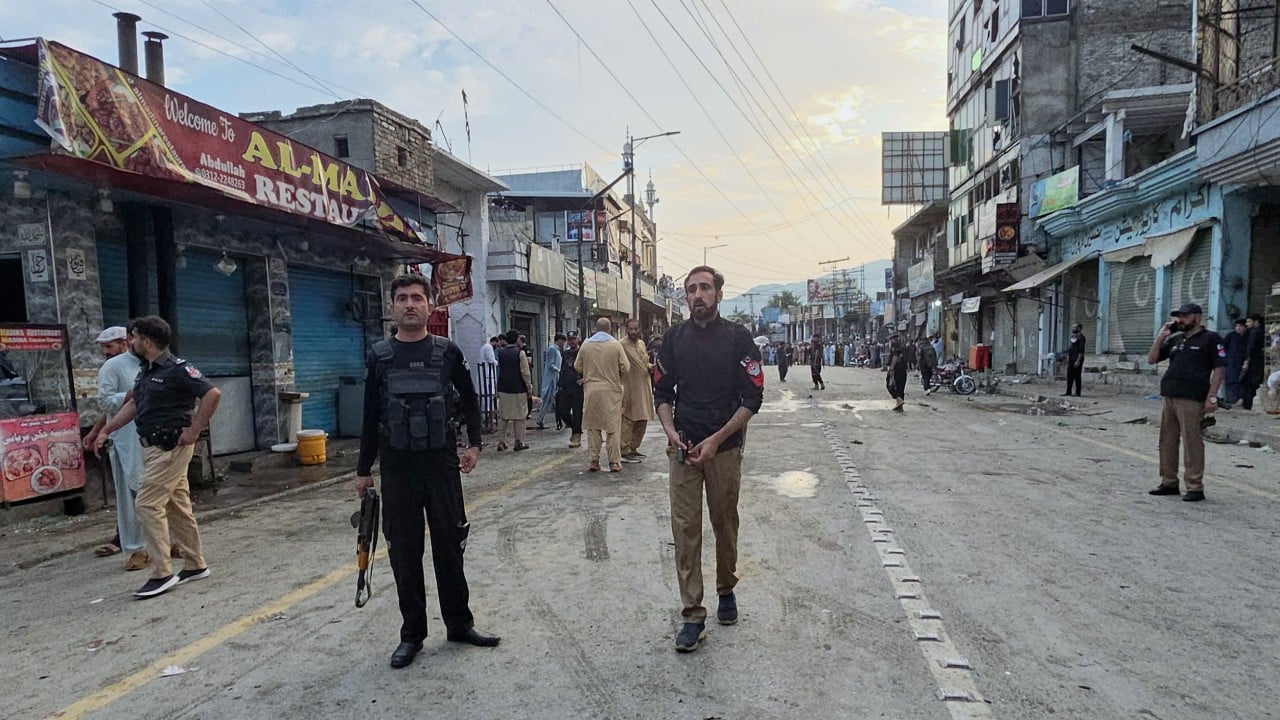
A suicide bombing occurred at an anti-militant rally in Kabal, a town in Pakistan's Swat Valley, on Sunday, resulting in at least 14 fatalities and over two dozen injuries, according to officials. The attack targeted protesters who had gathered near a police station in the Khyber Pakhtunkhwa province. Demonstrators were vocal in their anti-militant sentiments and calls for peace. Among the casualties were police officers. The district police chief, Omar Khan, confirmed the details of the event. Bilal Faizi, a spokesman for the Khyber Pakhtunkhwa region, also provided information regarding the incident. The rally was organized to express opposition to militant activities and advocate for a peaceful resolution to ongoing security concerns in the area.
This tragic event highlights the persistent security challenges in Pakistan's Khyber Pakhtunkhwa province, particularly concerning the resurgence of militant activities and the vulnerability of public gatherings. The targeting of an anti-militant protest underscores the complex dynamics between state security forces, civilian populations, and extremist groups. From a systemic perspective, such attacks can be viewed as attempts to disrupt societal order and deter public dissent against militant ideologies. The incident raises questions about the effectiveness of current security measures in protecting citizens and ensuring the safety of public assemblies, especially in regions with a history of conflict. The long-term implications may involve increased public apprehension, potential shifts in government counter-terrorism strategies, and a re-evaluation of intelligence gathering and threat assessment protocols to prevent future occurrences.
AI-generated to prompt reflection — not editorial opinion, not advice, not a statement of fact. How this works.