Suicide Bombing Kills 14 Outside Pakistan Police Station During Protest
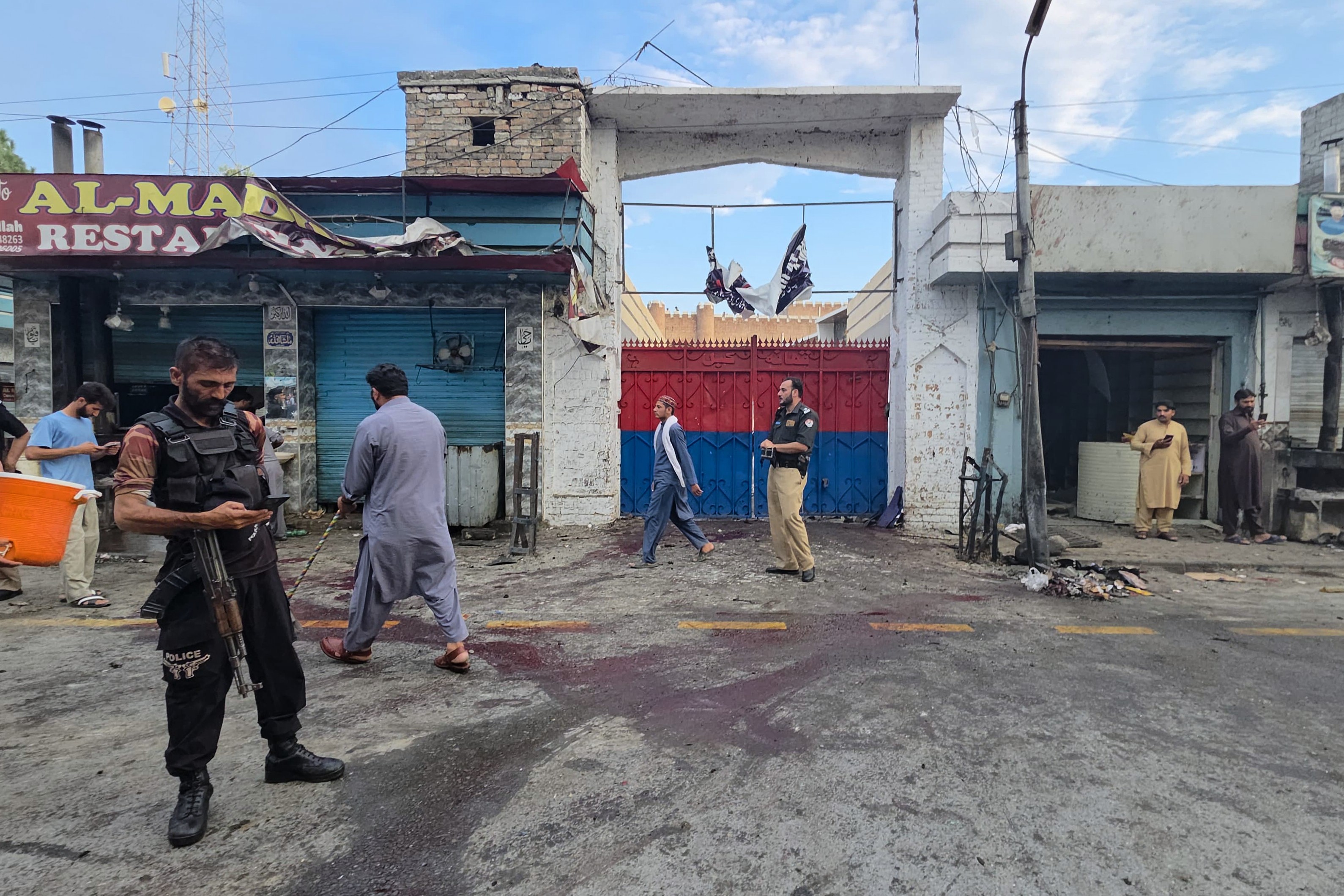
A suicide bombing outside a police station in Kabal, Swat district, Khyber Pakhtunkhwa province, Pakistan, on Sunday, August 2, 2026, resulted in at least 14 fatalities and dozens of injuries. The explosion occurred near a pro-police rally organized by local residents, though it remains unclear if the rally was the intended target. Among the deceased were five police officers and eight civilians, with the 14th victim identified as the bomber. At least 18 people sustained injuries, according to police reports, which also stated that an operation has been launched to apprehend any individuals involved in aiding the attack. Prime Minister Muhammad Shehbaz Sharif expressed profound sorrow over the incident. This attack occurs amidst a significant increase in militancy in Pakistan's border regions, with security forces being primary targets. The Pakistani government attributes this escalation to the Afghan Taliban, alleging their support for militants, a claim the Afghan Taliban government denies.
This tragic event highlights the escalating security challenges in Pakistan's Khyber Pakhtunkhwa province, particularly concerning the resurgence of militant activity. The proximity of the bombing to a local pro-police gathering suggests a potential targeting of law enforcement or a broader attempt to sow terror and destabilize the region. The Pakistani government's accusations against the Afghan Taliban point to complex geopolitical dynamics and cross-border security concerns that are likely to persist. Understanding the incentive structures driving these militant groups, the effectiveness of current counter-terrorism strategies, and the potential for regional cooperation or conflict will be crucial in navigating the security landscape over the next decade. The incident underscores the persistent vulnerability of public spaces and security personnel to asymmetric threats, demanding a comprehensive approach that addresses both immediate security needs and the underlying socio-economic and political factors contributing to radicalization.
AI-generated to prompt reflection — not editorial opinion, not advice, not a statement of fact. How this works.