Sumba Island's Generational Slavery: Tradition Trumps Law
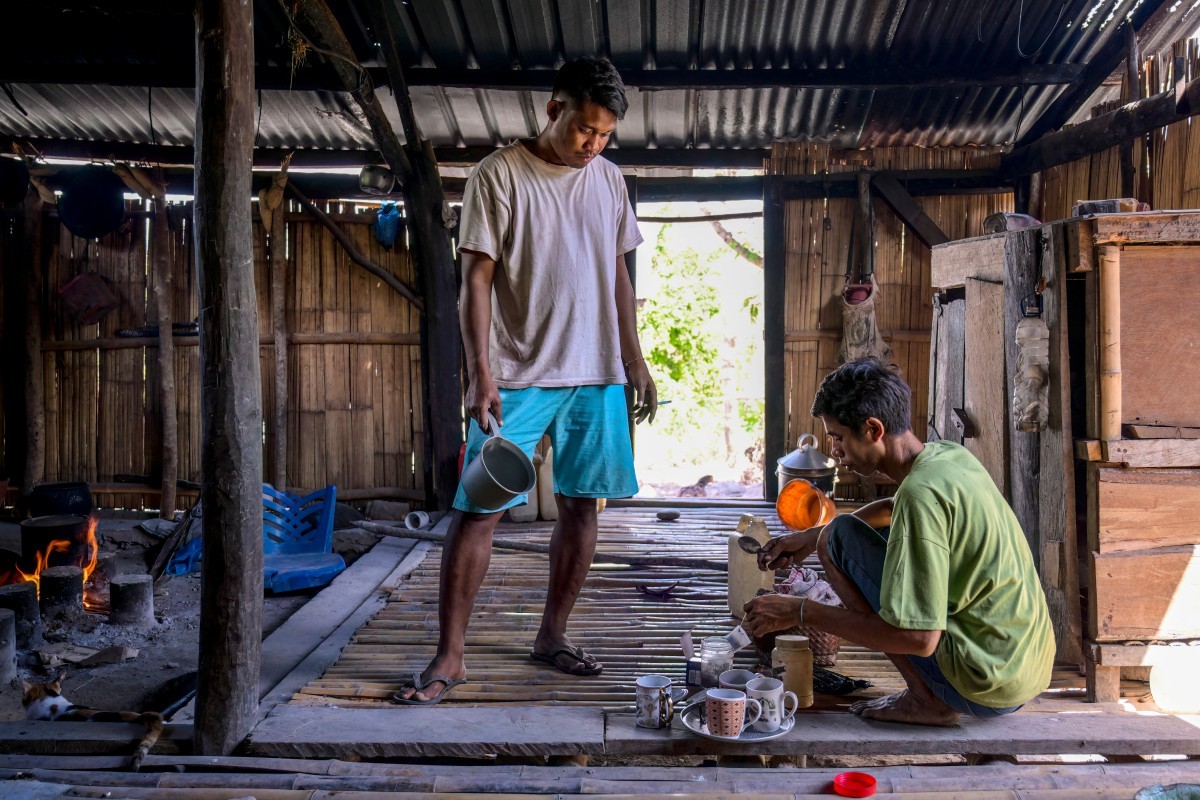
On the Indonesian island of Sumba, located a two-hour flight from Bali, a deeply entrenched system of hereditary slavery persists, affecting men and women from birth to death. This practice, rooted in tradition, forces individuals to work for their masters without pay, with their status passed down through generations. Some enslaved individuals report experiencing mistreatment, and women have been subjected to sexual violence, including rape. The children of enslaved people are destined to inherit the same fate, as this condition is considered immutable. Kanisius Kanyali Hambarita, a 34-year-old enslaved man, lives in the village of Tengeddu and serves Umbu Ana Rara, a noble. Despite their differing social statuses, they share similar living conditions, with Hambarita allowed to earn some money as a motorbike taxi driver and cultivate land for his own sustenance. He views his situation as a consequence of inherited tradition rather than a burden. Historians trace Sumba's slavery back to the 16th century, and although Indonesia officially abolished it in 1860, it remains a significant part of Sumba's culture, particularly in the eastern region. The island's society is structured into three castes: nobles (maramba), commoners (kabihu), and enslaved people or servants (atas). While the Indonesian constitution prohibits slavery, the legal framework also recognizes customary law, creating a complex situation where traditional practices can persist. Estimates suggest there are around 1,700 enslaved individuals in East Sumba alone, though the total number is believed to be in the thousands. The isolation of the island has contributed to the longevity of this system, which predates Dutch colonial rule and involved the export of enslaved people to various destinations. Reports indicate that physical and sexual violence are prevalent, with victims often reluctant to report due to fear and a lack of recourse. Legal investigations into severe cases, such as the rape of a minor, have faced significant delays, highlighting the challenges in dismantling this deeply ingrained social hierarchy.
The persistence of hereditary slavery on Sumba Island, despite Indonesia's official abolition of the practice, highlights a complex interplay between codified law and deeply ingrained customary practices, particularly those tied to animist and ancestor worship traditions like 'marapu'. The system's perpetuation suggests that legal prohibitions alone are insufficient when cultural norms and power structures, such as caste systems, remain dominant. The economic incentives for the 'maramba' class, who benefit from the unpaid labor of the 'atas', likely contribute to the resistance against change. Addressing this issue may require a multi-faceted approach that includes not only stronger legal enforcement but also culturally sensitive community engagement, educational initiatives to challenge traditional beliefs, and economic development programs that offer viable alternatives to servitude for all segments of society. The long-term implications of maintaining such a system, including its impact on human rights, social mobility, and national development, warrant careful consideration in the coming decade.
AI-generated to prompt reflection — not editorial opinion, not advice, not a statement of fact. How this works.