Summer Heat Disrupts Sleep, Impairing Memory and Forecasting Future Sleep Loss
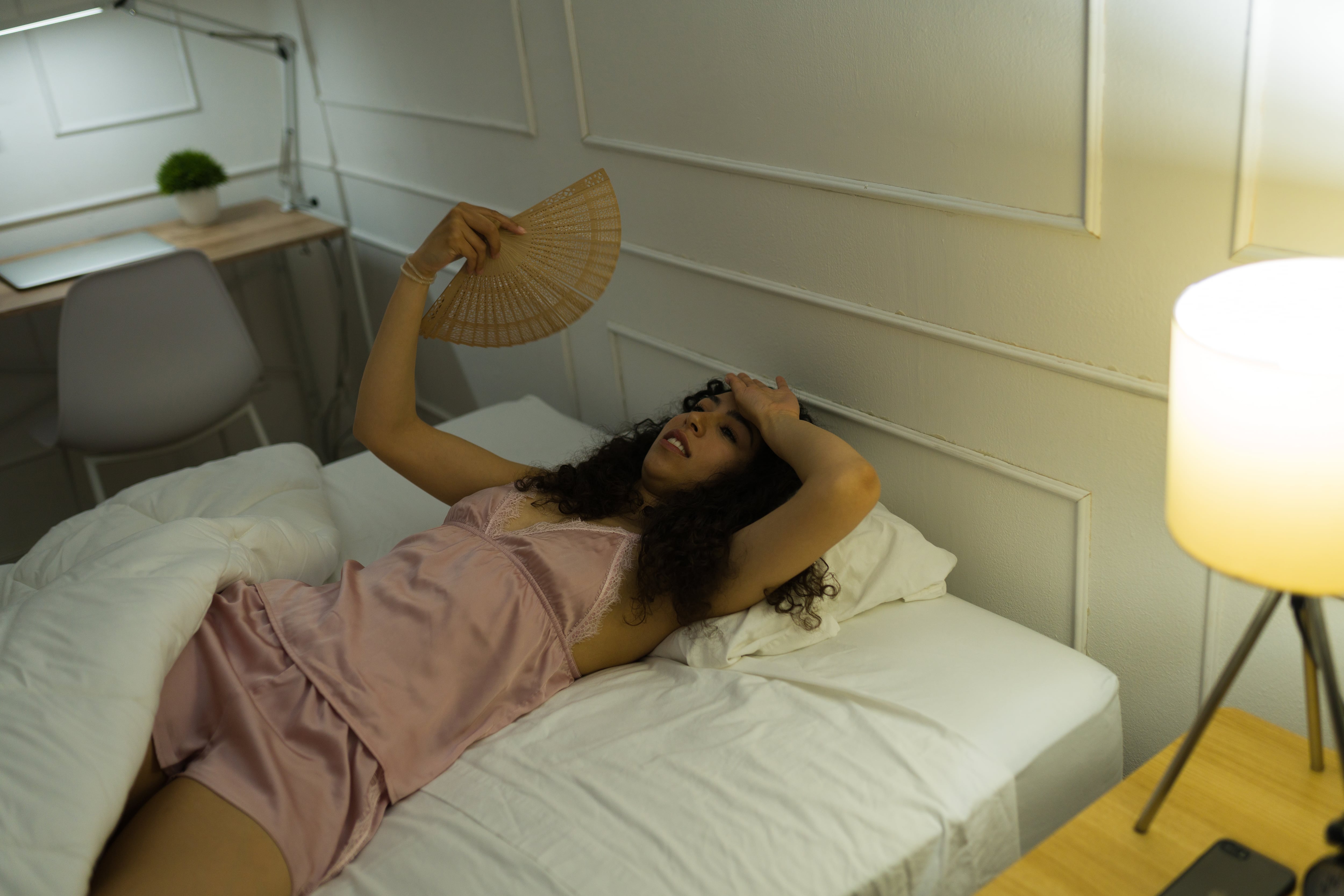
Tropical nights, characterized by extreme heat, are significantly disrupting deep sleep, which has detrimental effects on memory consolidation. Scientific research indicates that this phenomenon is not a temporary inconvenience but a preview of a future where rising global temperatures will cause substantial sleep deprivation. Projections suggest that individuals could lose more than 50 hours of sleep annually due to increasingly high temperatures. This loss of quality sleep impacts cognitive functions, including memory, and can have broader implications for public health and well-being. The study highlights the urgent need to address climate change and its direct consequences on human physiology and daily life. As heatwaves become more frequent and intense, the ability to achieve restorative sleep is under threat, potentially leading to widespread sleep debt. This situation underscores the interconnectedness of environmental conditions and human health, emphasizing that climate change poses a direct threat to our fundamental biological processes. The research serves as a critical warning about the long-term consequences of inaction on global warming.
The increasing frequency of tropical nights due to climate change presents a significant public health challenge by disrupting essential sleep cycles. This disruption impacts cognitive functions like memory, suggesting a future where heat-related sleep loss becomes a chronic issue, potentially affecting productivity and overall well-being on a large scale. The economic and societal implications of widespread sleep deprivation, estimated at over 50 hours per person annually, warrant proactive policy considerations. Addressing this challenge requires a dual approach: mitigating climate change to reduce extreme heat events and developing adaptive strategies, such as improved urban planning and building design, to create cooler living environments. Failure to act could exacerbate existing health disparities and create new ones, as vulnerable populations may be disproportionately affected by heat-induced sleep loss.
AI-generated to prompt reflection — not editorial opinion, not advice, not a statement of fact. How this works.