Summer Holiday Overseas Travel Drops 8.8% Amid Savings Trend
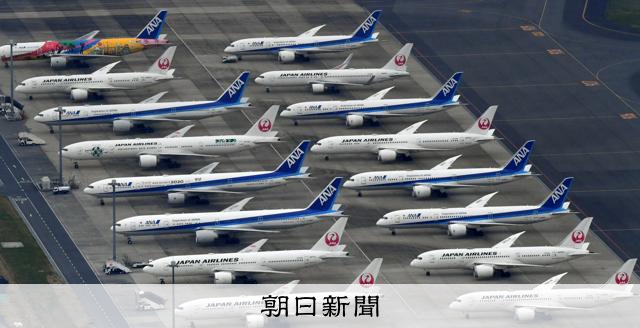
Overseas travel during Japan's summer holidays saw an 8.8% decrease compared to the previous year. This decline is attributed to a growing trend among travelers to save money, opting for shorter-distance destinations and more budget-conscious choices. The data indicates a shift in consumer behavior, with a greater emphasis on cost-effectiveness for leisure trips.
Domestically, the most common duration for trips was one night. This suggests that even within Japan, travelers are prioritizing shorter stays, potentially to manage expenses or fit travel into tighter schedules. The overall pattern points to a more frugal approach to holiday planning across the board, whether traveling internationally or domestically.
The observed decrease in overseas summer travel and the prevalence of one-night domestic trips highlight a significant consumer response to economic conditions or evolving travel preferences. This trend suggests a potential recalibration of discretionary spending priorities, where cost savings are becoming a dominant factor in holiday planning. Over the next decade, such shifts could influence the long-term strategies of tourism operators and destination marketers, prompting a greater focus on value-driven packages and accessible domestic experiences. Understanding the underlying drivers of this savings trend will be crucial for navigating future market dynamics in the travel industry.
AI-generated to prompt reflection — not editorial opinion, not advice, not a statement of fact. How this works.