Summer play weeks struggle with volunteer shortage, turning away children
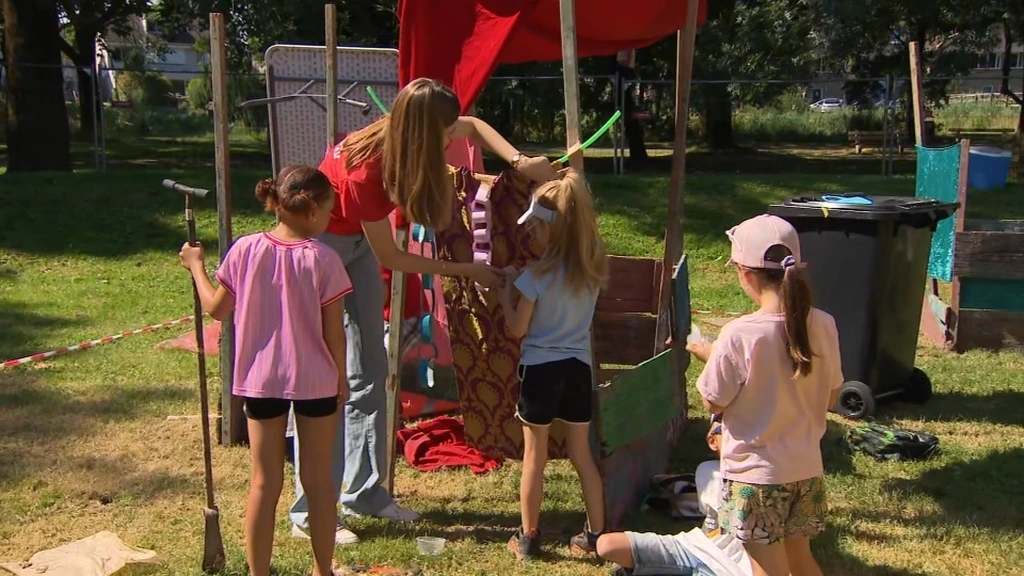
Summer play weeks across the Netherlands are facing a significant shortage of volunteers, leading to the inability to accommodate all interested children. In some cases, these popular summer activities are being shortened or canceled entirely due to the lack of supervisors. At Jeugdland in Arnhem, teenagers assist children in building structures with wood, providing materials like nails. Seventeen-year-old Milou, a volunteer for five years, highlighted the positive atmosphere and shared goal of making children happy. Joeri, a software developer volunteering for the first time after seeing a newspaper appeal, took time off work to help. Henriette Verhoeven of Stichting Jeugdland confirmed the widespread volunteer problem, noting that experienced volunteers have moved on to other activities, resulting in seventy children being turned away this year. Many children attending these weeks, like 12-year-old Rizwaan, do not go on vacation and rely on these activities for engagement, finding solitary screen time at home to be boring. Verhoeven emphasized that it is unsafe for children when there are insufficient supervisors, though parents have been understanding. She also mentioned that parents are sometimes invited to volunteer to help accommodate more children, but this is not always feasible for them. Children like 12-year-old Yasmina and 10-year-old Soumaya proudly showcased their self-built huts, demonstrating the value of these programs for creative expression and social interaction.
The widespread volunteer shortage impacting children's summer activities highlights a societal shift where traditional volunteer engagement may be declining. This trend could be influenced by changing work-life balance expectations, increased demands on personal time, and potentially a disconnect between younger generations' perceived value of volunteerism and their daily routines, exemplified by the 'scrolling' behavior described. The inability to provide these programs, particularly for children who do not go on vacation, raises questions about equitable access to enriching childhood experiences and the potential for widening social divides. Addressing this requires innovative approaches to volunteer recruitment and retention, possibly by aligning opportunities with modern schedules and offering tangible benefits or recognition, while also considering the role of municipal or broader public funding to ensure these essential community services remain accessible and safe for all children.
AI-generated to prompt reflection — not editorial opinion, not advice, not a statement of fact. How this works.