Sunflower Cultivation Emerges as Lucrative Income Alternative for Farmers in São Paulo's Interior
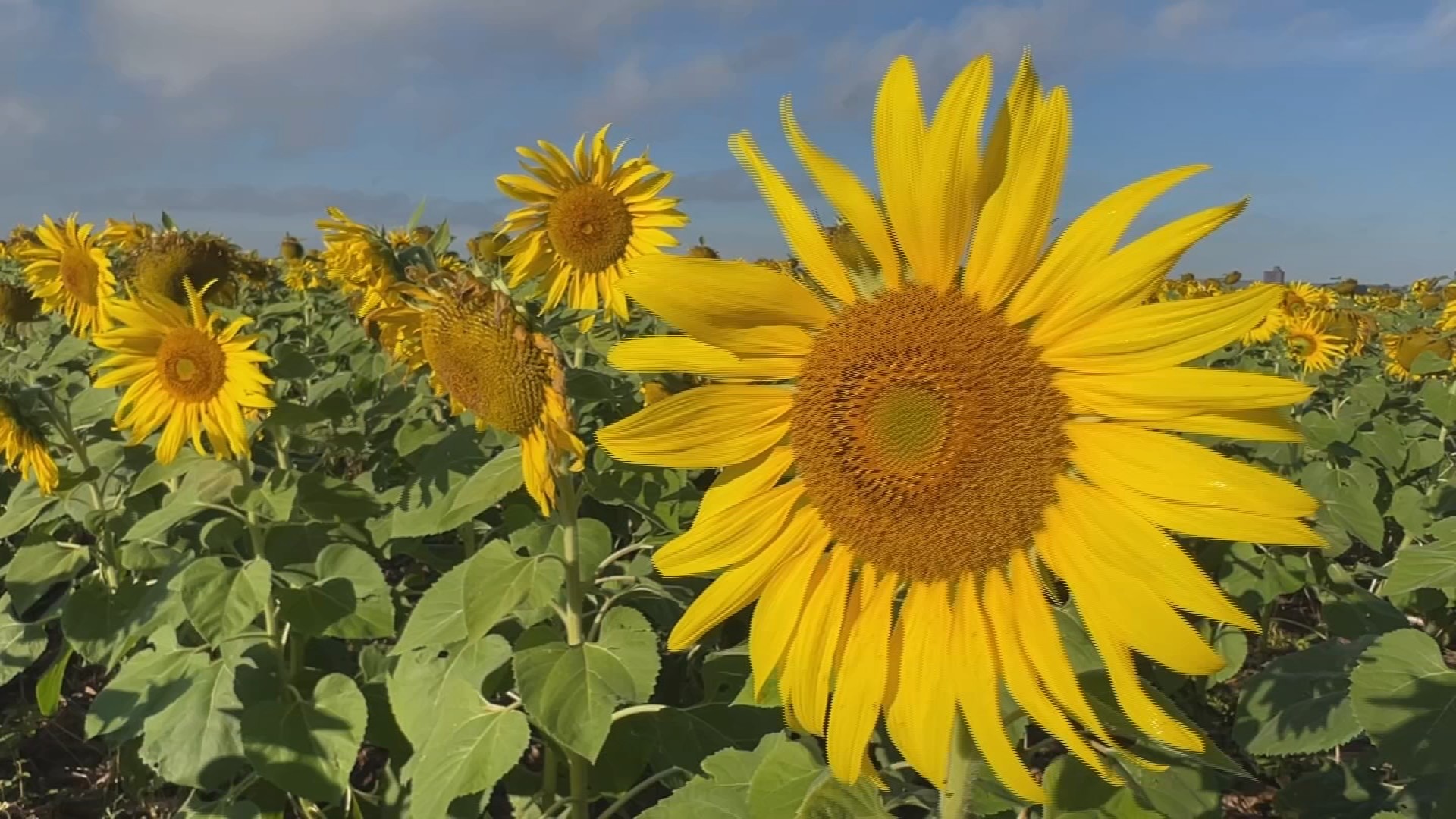
Sunflower cultivation is emerging as a significant income diversification strategy for rural producers in the interior of São Paulo, Brazil. This crop is being utilized effectively in the period between corn and soybean harvests, or in rotation with peanuts, offering multiple benefits including production diversification and soil improvement. In Pederneiras, São Paulo, farmer Danilo Dornelas has resumed sunflower planting on nearly 90 hectares, expecting a yield of approximately 90 tons of the Aguará variety. This particular variety is intended for bird feed, and the harvest will be mechanized. Dornelas anticipates selling the sunflowers for R$1.50 to R$2 per kilogram, a price point consistent with previous years. Meanwhile, in Itaju, São Paulo, farmer and agricultural engineer Frauzo Ruiz Sanches employs sunflowers in a crop rotation system with peanuts. He notes the plant's resilience to dry periods and pests, along with its deep root system that enhances soil conditions. With a cycle of about 60 days, the sunflowers are entering their flowering stage, attracting bees for pollination. Sanches' production is sold to regional companies for oil manufacturing, with an expected price of R$2.85 per kilogram, the same as last year. Beyond the financial returns, Sanches also highlights the aesthetic appeal of the sunflower fields.
The adoption of sunflower cultivation as an inter-crop or rotation strategy in São Paulo's agricultural sector demonstrates a pragmatic response to market opportunities and agronomic challenges. This diversification mitigates risks associated with monoculture and leverages periods between staple crop cycles, potentially improving soil health and reducing reliance on synthetic inputs. The price points reported suggest a viable economic model, though market price volatility and demand from specific industries, such as bird feed and oil production, will be critical factors for sustained profitability. Future considerations may include optimizing irrigation, managing pest resistance, and exploring higher-value end-product markets to further enhance farmer income and regional agricultural resilience in the face of evolving climate patterns and global commodity markets.
AI-generated to prompt reflection — not editorial opinion, not advice, not a statement of fact. How this works.