Sunrise Alarm Clock User Shares Benefits Over Standard Alarms
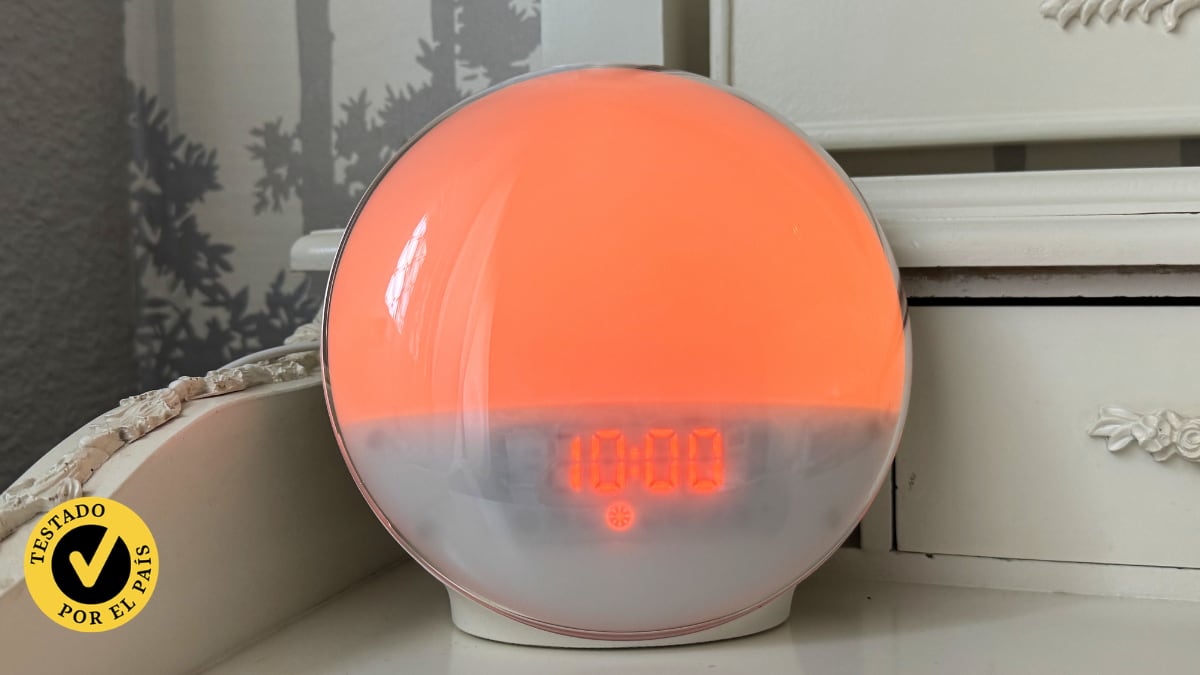
A long-term user of a sunrise alarm clock shares their experience, highlighting its advantages over traditional alarm systems. The user suggests that if waking up each morning prompts existential reflection on life choices, this type of alarm might offer a different experience. Sunrise alarm clocks simulate the natural progression of dawn, gradually increasing light intensity to wake the user up gently. This contrasts with the sudden, often jarring sound of a standard alarm. The user implies that this gentler awakening process can lead to a more positive start to the day, potentially reducing the stress and anxiety associated with traditional alarms. While the original text is brief, it frames the sunrise alarm as a solution for those who find their mornings filled with regret or dread. The core benefit presented is a more peaceful and less disruptive transition from sleep to wakefulness, which the user has found valuable over years of use.
The adoption of sunrise alarm clocks reflects a growing consumer interest in wellness technologies that aim to improve sleep hygiene and morning routines. This trend aligns with broader societal shifts towards prioritizing mental well-being and stress reduction. The gradual light simulation offers a potential alternative to the physiological shock induced by abrupt auditory alarms, which can trigger a stress response. From a systems perspective, the market is responding to a perceived deficit in the quality of waking experiences, driven by modern lifestyles that often disrupt natural circadian rhythms. Future developments may integrate these devices more seamlessly with other smart home and health-tracking ecosystems, further personalizing the waking process and potentially influencing daily productivity and mood.
AI-generated to prompt reflection — not editorial opinion, not advice, not a statement of fact. How this works.