Super El Niño and Climate Change: A New Hellish Normal
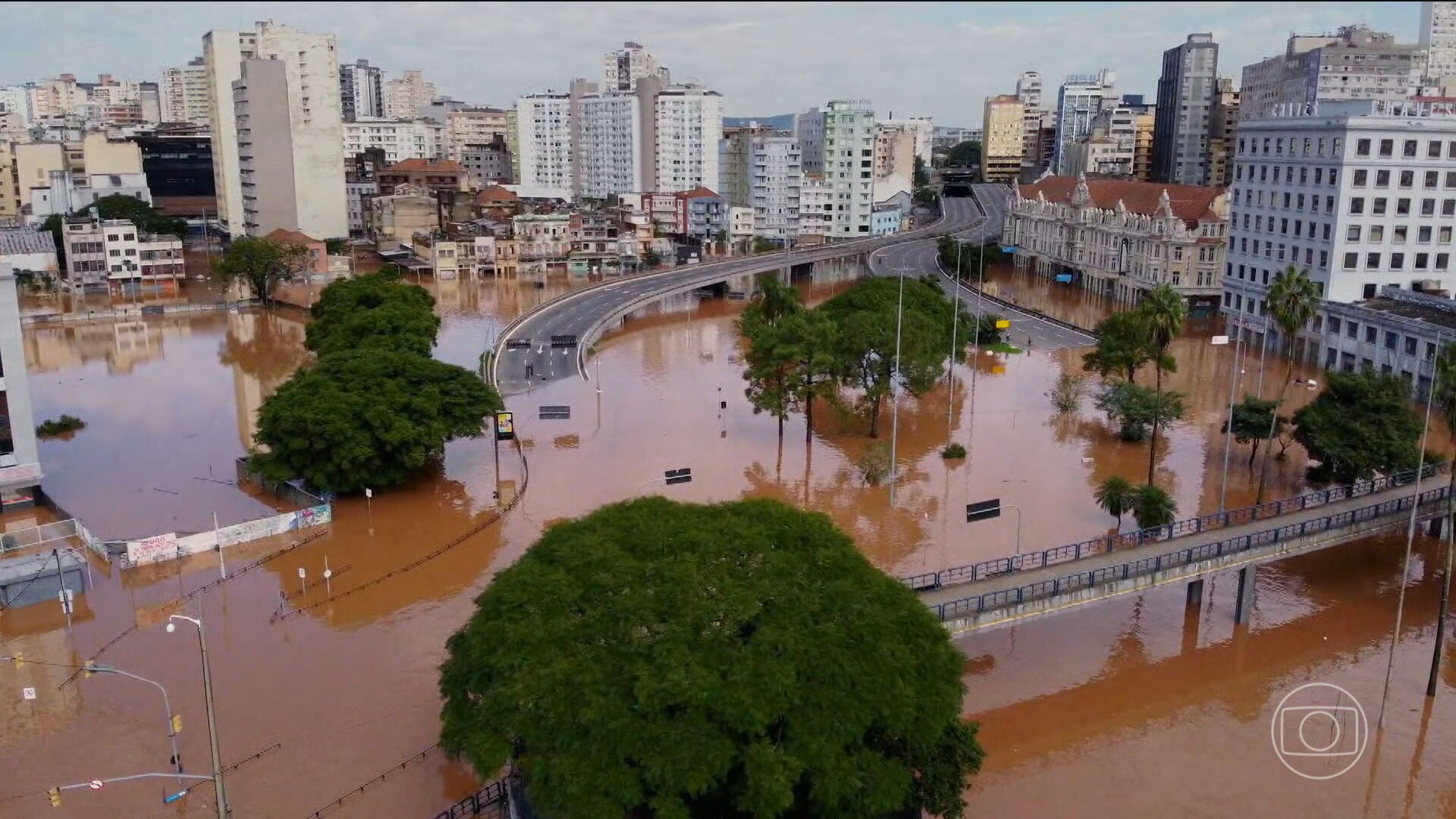
The world is experiencing alarming signs of a 'Super El Niño' phenomenon, potentially the most powerful in 140 years, coinciding with unprecedented heatwaves in Europe and record-high ocean temperatures. The U.S. National Oceanic and Atmospheric Administration estimates a 68% probability of a very strong El Niño. In Brazil, the forecast includes increased rainfall in the South and drought in the North and Northeast, alongside a general temperature rise across the country, particularly between November and January. The Federal Government has allocated nearly R$10 billion and established a national alert system for vulnerable areas. While extreme weather events are cyclical, scientists emphasize that human-induced climate change is making them more frequent and intense. This episode features interviews with climate experts Carlos Nobre, a climatologist and senior scientist at USP who was part of the IPCC Nobel Peace Prize-winning panel, and Lincoln Muniz Alves, a researcher at INPE and lead author for the IPCC. Nobre discusses the planet's climate situation and responsibilities, while Alves details El Niño's specific impacts on Brazil. The podcast 'O Assunto' is produced by g1 and has garnered over 168 million downloads and 14.2 million YouTube views since its 2019 debut. Recent events include record June ocean heat, deadly European heatwaves, over a thousand heat-related deaths in Spain in June, and the most severe flood in Rio Grande do Sul's history.
The convergence of a potent El Niño event with record-breaking global temperatures highlights the amplified risks posed by human-driven climate change. While El Niño is a natural climate pattern, its interaction with a warming planet suggests that historical impact assessments may underestimate future extremes. The significant government response package in Brazil, coupled with national alert systems, reflects an increasing need for adaptive infrastructure and disaster preparedness. This situation underscores a critical global challenge: balancing immediate adaptation measures with the imperative to mitigate greenhouse gas emissions to prevent future 'normal' states from becoming increasingly catastrophic. The scientific consensus points to the need for systemic changes in energy, industry, and land use to avert the most severe long-term consequences.
AI-generated to prompt reflection — not editorial opinion, not advice, not a statement of fact. How this works.