Super El Niño Could Raise Electricity Bills by Up to 4.5% in 2027, Study Warns
A potential "super El Niño" event could increase electricity bills for low-voltage consumers by an average of 2.1% in 2027, according to a study by Ampere Consultoria and TR Soluções. When the impact of tariff flags is also considered, the average increase in bills could reach 4.5%. The study projects the activation of red tariff flags between July and October 2027, significantly impacting energy costs.
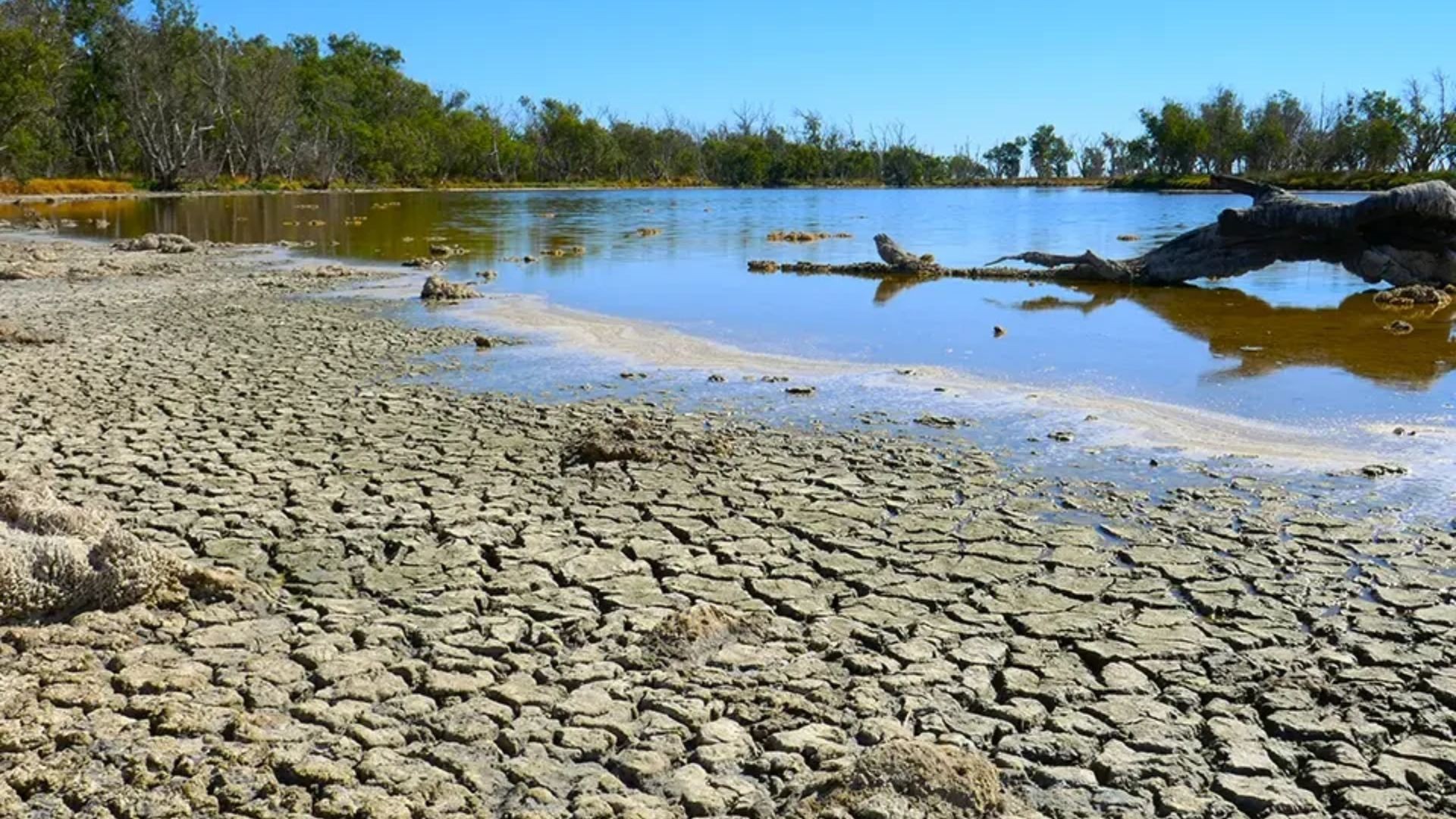
El Niño is a climatic phenomenon characterized by abnormal warming of Pacific Ocean waters, which can alter rainfall patterns and temperatures globally. In Brazil, its effects include impacts on agriculture, water resources, and an increased frequency of extreme weather events. International climate models indicate a high probability of El Niño forming in the second half of 2026, with some projections suggesting it could reach strong or extreme intensity, a scenario known as "super El Niño." This could lead to a greater risk of heatwaves, droughts, fires, and altered rainfall patterns, potentially affecting hydroelectric power generation.
The consultancies estimated two hydrological scenarios to develop their tariff increase projections: one with a Super El Niño and another without. In the Super El Niño scenario, the wet period of 2026-2027 is expected to end with the National Interconnected System (SIN) reservoirs at approximately 70% capacity in April, compared to about 80% without the phenomenon. The study predicts the activation of red tariff flags (level 1 and 2) for four months in 2027, from July to October. The Southern Region is expected to experience the most significant tariff impact, with an average difference of 3.3 percentage points between the two scenarios. The tariff effects are transmitted through variables like the Settlement Price of Differences (PLD), hydrological risk, sector charges, and the contracting costs of distribution companies. In other months, green flags are expected to prevail in the first semester, with yellow flags during the dry season.
The study highlights the potential financial impact of climate phenomena like El Niño on energy consumers, particularly through the mechanism of tariff flags. These flags are designed to reflect the cost of electricity generation, with higher costs incurred when less expensive hydroelectric power is unavailable and more costly thermal power plants must be activated. The projected increase in bills underscores the vulnerability of energy systems to climatic variability and the need for robust infrastructure and diversified energy sources. Future energy policy may need to incorporate climate resilience planning more explicitly, considering the increasing frequency and intensity of extreme weather events driven by global climate change. This situation presents a challenge for regulators and utilities to balance cost recovery with consumer affordability, especially in the context of a transition to cleaner energy sources.
AI-generated to prompt reflection — not editorial opinion, not advice, not a statement of fact. How this works.