Super El Niño Fears Drive Coffee Prices Up, Potentially Hitting Consumer Wallets
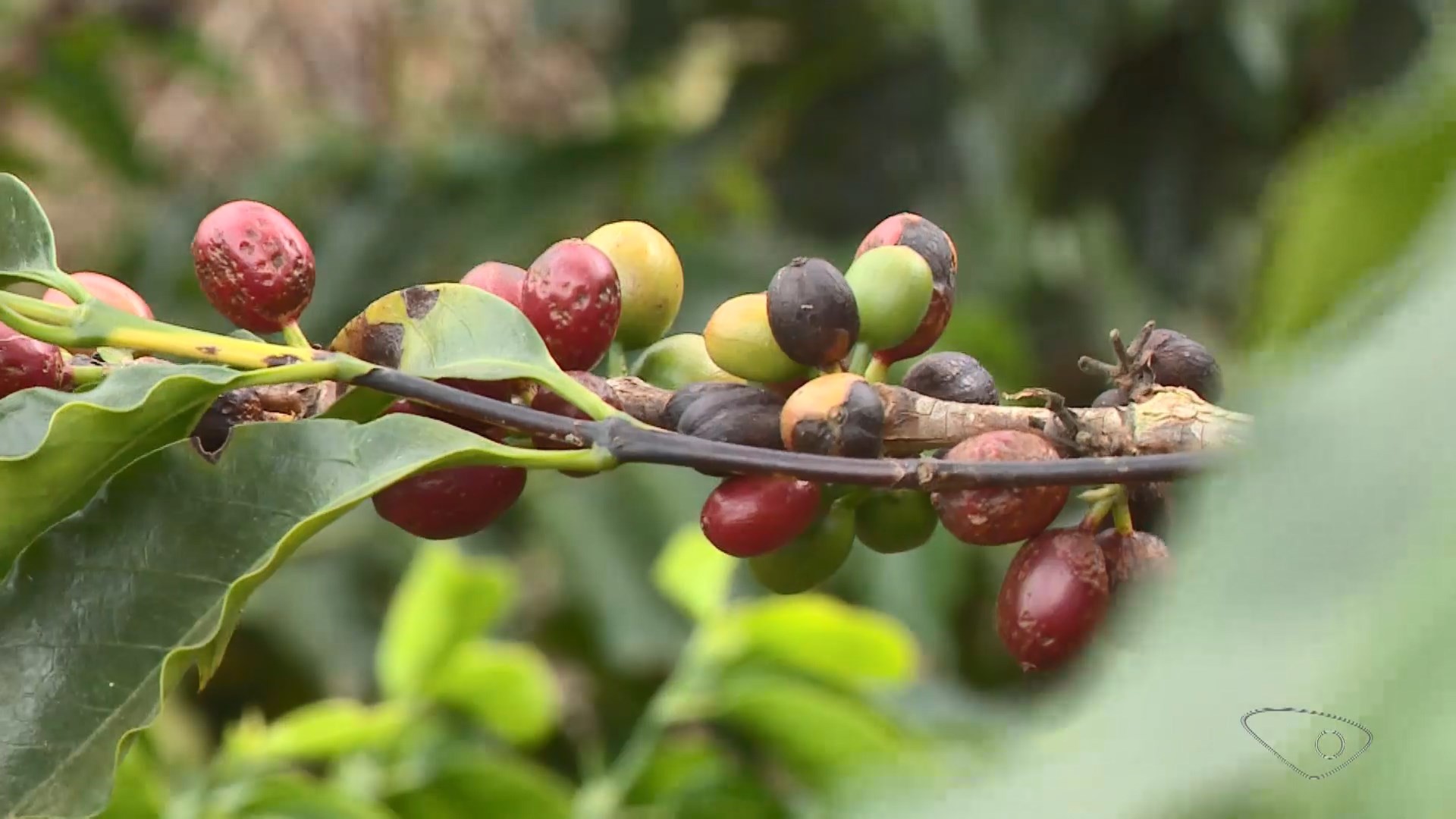
Concerns over a potential "super El Niño" are causing significant anxiety among coffee producers, particularly in Espírito Santo, Brazil, a major coffee-growing state and the nation's top producer of conilon coffee. The anticipated climate phenomenon raises fears of a reduced harvest in the upcoming year, which has already led to a sharp increase in conilon and arabica coffee prices on international exchanges. This price surge is expected to eventually impact consumers in the coming months, as a smaller supply on the market typically drives up costs.
In less than a month, the London market, a benchmark for conilon, saw prices rise by nearly 20%. The New York market, which trades arabica, experienced a 30% increase in the same period. On a single recent Monday, prices surged by up to 16%, equivalent to approximately $60 per sack, marking one of the largest historical daily gains. Jorge Nicchio, vice-president of the Vitória Coffee Trade Center, attributes this spike to three factors: the potential impact of El Niño on the next harvest, lower-than-expected current production, and the influence of financial funds in the international market. He noted that the current conilon harvest is already significantly smaller than anticipated.
While producers might see some benefit from selling in stages to average out prices, consumers may experience a temporary relief due to previous significant price drops. However, economists warn that this relief is likely short-lived. The global market is already facing low supply and reduced stocks, a situation that could be exacerbated by El Niño-induced production losses. This could maintain high prices at the supermarket level, with the full impact potentially felt more intensely in the second half of 2026 and continuing into 2027 as international price increases are passed on to retail. In response, the Espírito Santo government is working with financial institutions to offer protective measures for farmers, including deferring loan payments and encouraging the use of agricultural insurance and government credit programs to support resilient farming practices.
The convergence of climate forecasts, current supply chain dynamics, and speculative financial activity is creating price volatility in the global coffee market. The potential for a "super El Niño" to disrupt agricultural output in key regions like Brazil highlights the systemic vulnerability of commodity markets to environmental shifts. While short-term price fluctuations might offer consumers fleeting relief, the underlying trend suggests a sustained period of elevated costs if production challenges persist. This situation underscores the need for greater market transparency and the development of more robust agricultural resilience strategies, potentially involving diversification of sourcing regions and investment in climate-adaptive farming technologies to mitigate future shocks and ensure stable supply chains.
AI-generated to prompt reflection — not editorial opinion, not advice, not a statement of fact. How this works.