Super El Niño Threatens Climate Ecosystems with Irreversible Damage, Expert Warns
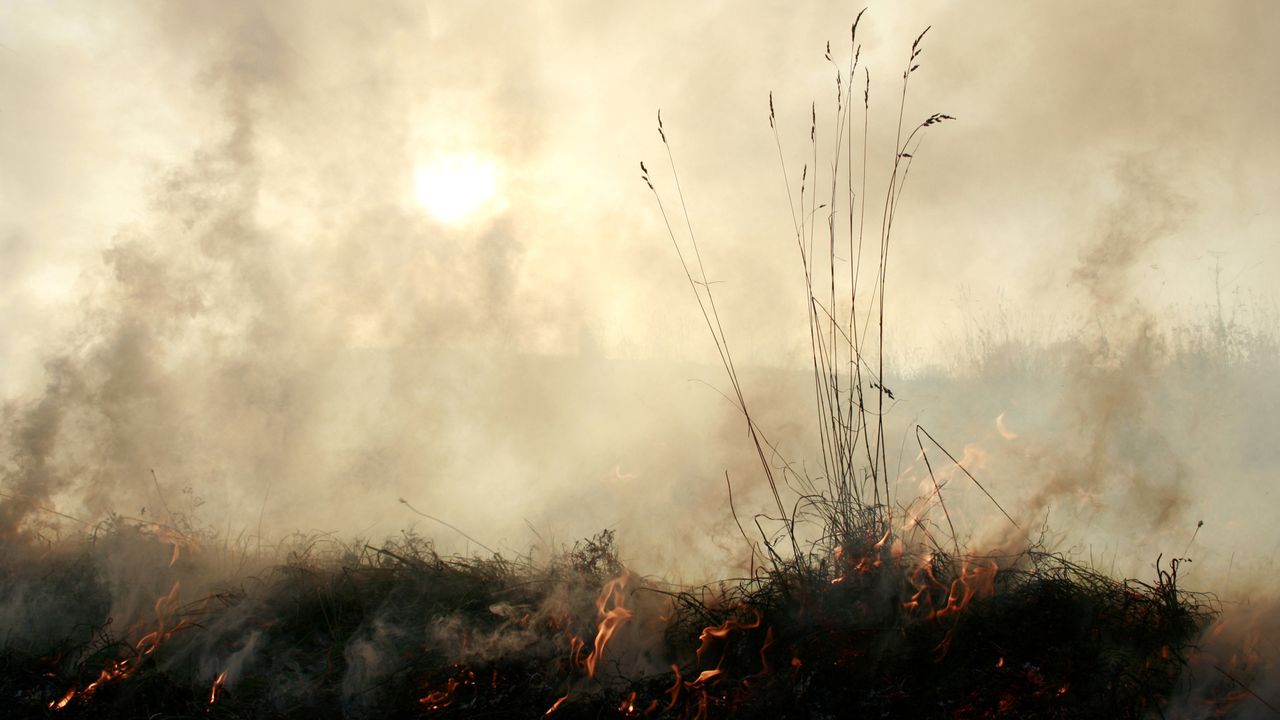
Climate change researcher Jong-Seong Kug has warned that a potential "super El Niño" event could push the Earth's already strained climate ecosystems past a critical tipping point, leading to lasting and irreversible damage. Kug discussed the potential consequences of such an event in an interview with Live Science, highlighting the significant risks it poses to global environmental stability. The severity of an El Niño event is measured on a scale, and a "super" designation indicates an extreme manifestation of the phenomenon. These extreme El Niños can trigger widespread climatic disruptions, affecting weather patterns, ocean currents, and marine life across vast regions. The concern is that the cumulative stress on ecosystems, exacerbated by ongoing climate change, may leave them unable to recover from such a powerful shock. This could result in permanent shifts in biodiversity, agricultural productivity, and the availability of essential resources. The researcher's comments underscore the interconnectedness of global climate systems and the vulnerability of natural environments to extreme weather events amplified by human-induced warming. The potential for crossing a critical threshold suggests that some ecological changes may become permanent, regardless of future mitigation efforts.
The potential for a "super El Niño" to trigger irreversible damage to climate ecosystems highlights the increasing fragility of Earth's natural systems under the dual pressures of natural climate variability and anthropogenic climate change. This situation underscores a critical challenge in environmental governance: managing the cumulative impacts of recurring extreme events against a backdrop of long-term warming trends. The concept of crossing a "critical threshold" suggests that adaptive capacity in ecosystems may be finite, and exceeding it could lead to state shifts with profound, long-lasting consequences. Future climate resilience strategies will need to account for the amplified risks posed by such extreme events, focusing on both mitigating greenhouse gas emissions and enhancing the capacity of ecosystems and human societies to withstand and recover from shocks. The interconnectedness of global climate systems means that regional events can have far-reaching implications, demanding coordinated international responses and a proactive approach to risk assessment and management in the coming decade.
AI-generated to prompt reflection — not editorial opinion, not advice, not a statement of fact. How this works.
