Super El Niño to Intensify Rains and Floods in Brazil, Experts Warn
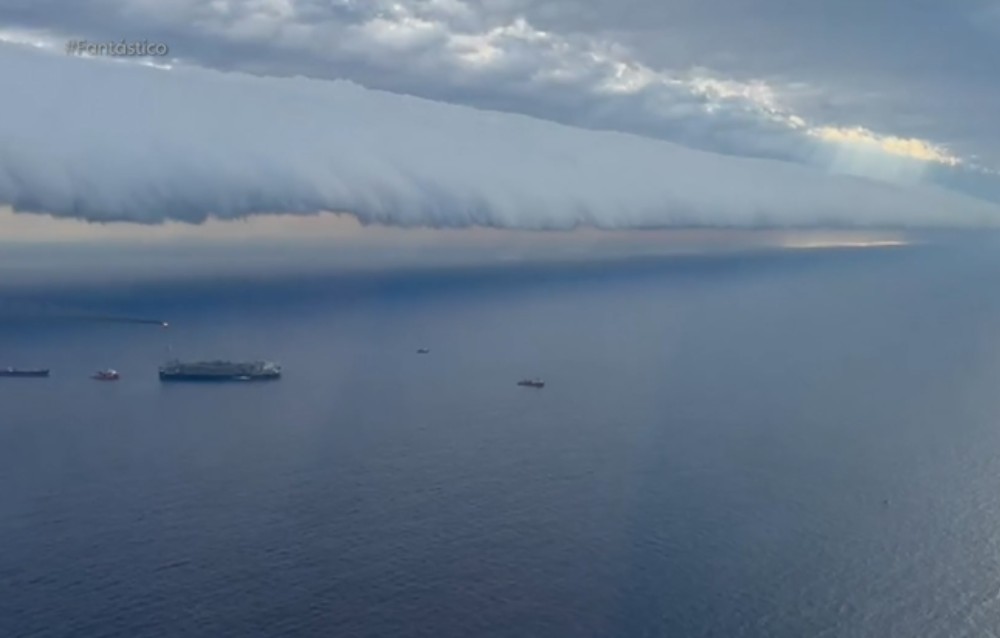
A "Super El Niño" phenomenon is expected to increase the risk of extreme weather events in Brazil over the coming months. Specialists consulted by Fantástico indicate that this event, caused by the warming of Pacific Ocean waters off the coast of Peru, has already begun to influence the climate. It is predicted to favor severe storms and floods, particularly in Brazil's Southern Region. This forecast arrives as various parts of the world grapple with a series of climate-related disasters, including wildfires in Europe, floods and heatwaves in India and China, and snowstorms and floods in Chile. Brazil's Rio Grande do Sul has already experienced intense rain, hail, and tornadoes. Meteorologists suggest that the recent excessive rainfall in the South already signals an early influence of El Niño. Researchers state that the phenomenon is currently active, with its effects anticipated to intensify in the upcoming months, contributing to severe storms and flooding in the South. However, experts caution that not all recent storms are attributable to El Niño. For instance, strong winds in São Paulo and Rio de Janeiro were caused by the convergence of a very cold air mass from the South with a warmer air mass over the Southeast, where temperature differences drive wind intensity. A warmer atmosphere generally leads to more turbulence and unpredictability, complicating weather forecasting and heightening the need for preparedness. Given the onset of a Super El Niño, Brazil should brace for a higher probability of extreme weather events through the end of the year.
The convergence of a warming Pacific Ocean, as indicated by the Super El Niño, with a generally warmer global atmosphere presents a heightened risk of extreme weather events. This dynamic suggests an amplification of existing climate vulnerabilities, particularly in regions like Brazil's South, which may experience more intense rainfall and flooding. The report highlights the complexity of attributing specific events, noting that while El Niño is a significant factor, local atmospheric conditions also play a crucial role. This underscores the challenge for meteorological forecasting and disaster preparedness systems, which must account for multiple interacting climate drivers. Looking ahead, the increased frequency and intensity of such events necessitate a strategic focus on climate resilience, infrastructure adaptation, and early warning systems to mitigate potential societal and economic impacts.
AI-generated to prompt reflection — not editorial opinion, not advice, not a statement of fact. How this works.
