Super Sete Lottery: No Grand Prize Winner for Contest 872, Jackpot Reaches R$3.3 Million
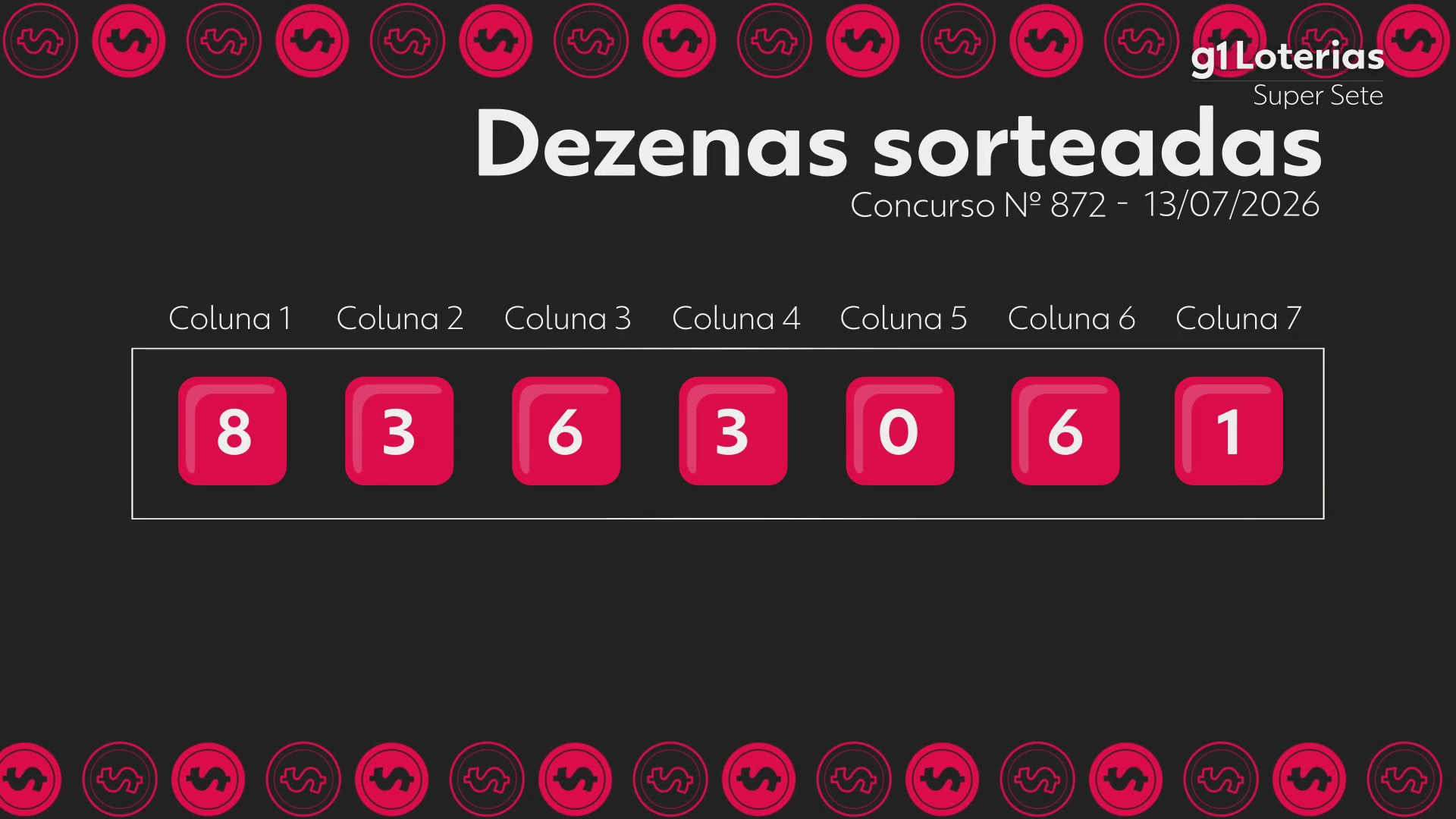
The Super Sete lottery's 872nd contest, held on Monday, February 13th, did not yield a grand prize winner, causing the jackpot to roll over to an estimated R$3.3 million for the next drawing on Wednesday, February 15th. In this latest draw, two participants managed to match six numbers, each receiving R$25,074.20. Additionally, 42 players matched five numbers, earning R$1,705.72 each, while 887 participants correctly identified four numbers, securing R$80.76 apiece. A total of 8,546 players matched three numbers, with each receiving R$6. The Super Sete game requires players to select one number from 0 to 9 in each of its seven columns, with seven numbers being drawn in total, one per column. Players have options for multiple bets, including marking up to 21 numbers, choosing 1 to 3 numbers per column, using the 'Surpresinha' option for randomly selected numbers, or the 'Teimosinha' feature for consecutive draws. Prizes are awarded for matching 3, 4, 5, 6, or all 7 numbers. The base bet costs R$3.00, with prize distribution percentages allocated for 7, 6, 5, and 4-number matches, and a fixed R$5 prize for 3-number matches.
This lottery outcome highlights the inherent probabilities and risk-reward structures of games of chance, where the accumulation of smaller prizes for partial matches contrasts with the rare occurrence of the grand prize. The fixed prize amounts and percentage-based distributions reflect a strategy to maintain player engagement across various winning tiers while ensuring the jackpot grows significantly when top-tier winners are absent. From a systemic perspective, lotteries like Super Sete serve as a form of voluntary taxation, channeling funds towards public or private entities, in this case, managed by Caixa Econômica Federal. The continued operation and marketing of such games, despite their low odds of winning the jackpot, underscore the persistent human fascination with the possibility of rapid wealth accumulation, a dynamic likely to endure even as technological advancements reshape economic landscapes.
AI-generated to prompt reflection — not editorial opinion, not advice, not a statement of fact. How this works.