Super Sete Lottery: No Grand Prize Winner in Contest 871, Jackpot Reaches R$ 3.1 Million
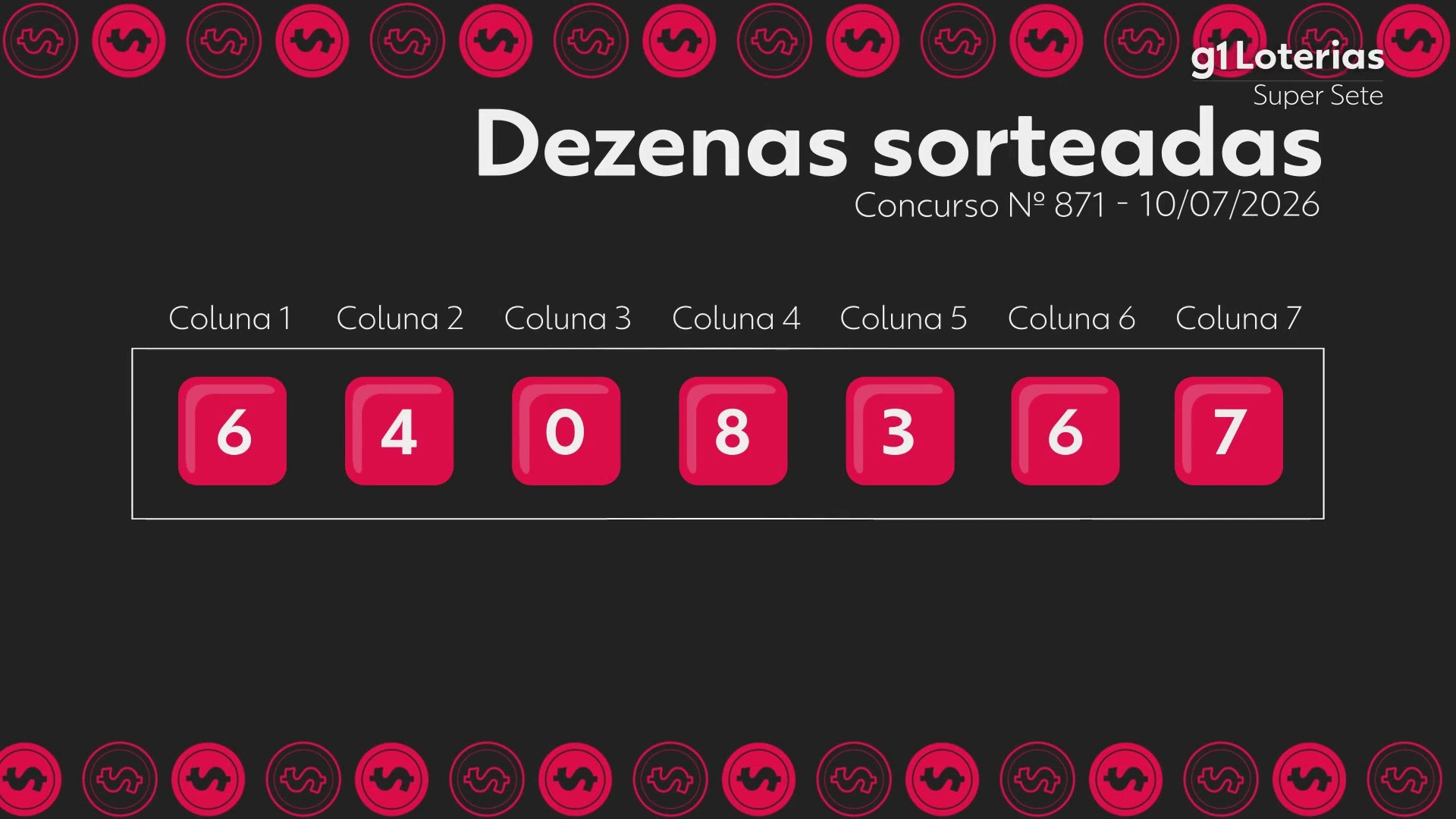
The Super Sete lottery's 871st contest, held on Friday, November 10th, did not yield a grand prize winner, causing the jackpot to roll over to R$ 3.1 million for the next drawing. No participants achieved seven correct numbers, nor did any secure six correct numbers. However, 64 players correctly matched five numbers, each receiving R$ 781.11, while 723 players matched four numbers, earning R$ 69.14 each. Additionally, 6,406 players matched three numbers, with each receiving R$ 6. The next Super Sete drawing is scheduled for Monday, November 13th. The game involves selecting one number from 0 to 9 in each of seven columns, with seven numbers drawn in total, one per column. Players can opt for multiple bets, choosing up to 14 additional numbers for a total of 21, and can mark between one and three numbers per column. The Caixa Econômica Federal also offers the "Surpresinha" option, where numbers are chosen randomly, and the "Teimosinha" feature, allowing bets to be repeated for 3, 6, 9, or 12 consecutive contests. Prizes are awarded for matching three, four, five, six, or seven numbers. A standard bet costs R$ 3.00, with 43.79% of revenue allocated to prizes, after deducting fixed payouts of R$ 5 for three correct numbers.
This lottery outcome highlights the inherent probabilistic nature of games of chance, where the accumulation of prizes is a designed feature to incentivize continued participation. The distribution of smaller prizes across a significant number of players for matching fewer numbers demonstrates a tiered reward structure intended to maintain engagement even without a jackpot win. From a systemic perspective, such lotteries function as a form of voluntary taxation, with a portion of revenue funding public services or, in this case, administered by a federal economic entity. The odds of winning, while mathematically defined, are astronomically low for the top prizes, reflecting a business model that relies on the aggregate participation of many over the infrequent success of a few. Future iterations of such games may face evolving public scrutiny regarding their social impact and the long-term sustainability of revenue models in an increasingly digital and potentially more regulated entertainment landscape.
AI-generated to prompt reflection — not editorial opinion, not advice, not a statement of fact. How this works.