Super Sete Lottery: No Grand Prize Winner in Contest 875, Jackpot Rises to R$3.8 Million
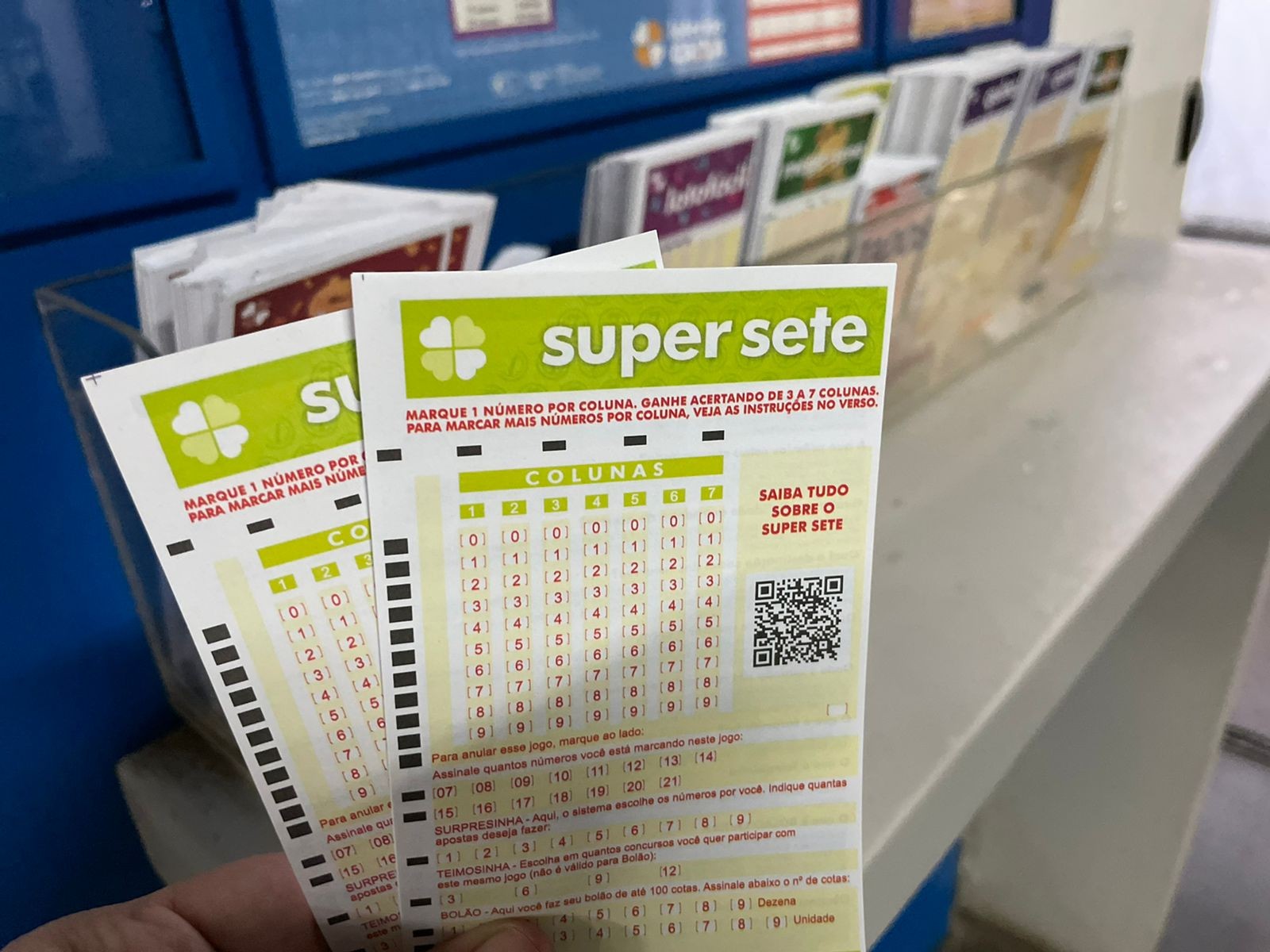
The Super Sete lottery's 875th contest, held on Monday, November 20th, did not yield a grand prize winner for the seven correct numbers. Consequently, the jackpot has accumulated to R$3.8 million for the next drawing. In this contest, six participants matched six numbers, each receiving R$6,244.36. Fifty-two players correctly identified five numbers, earning R$1,029.29 each. Additionally, 895 players won R$59.80 for matching four numbers, and 6,868 participants received R$6 for matching three numbers. The next Super Sete draw is scheduled for Wednesday, November 22nd. The game involves selecting one number from 0 to 9 in each of seven columns, with seven numbers drawn in total. Players can opt for multiple numbers per column, the "Surpresinha" where numbers are chosen by Caixa Econômica Federal, or the "Teimosinha" to repeat a bet for multiple draws. Prizes are awarded for matching three, four, five, six, or seven numbers. A standard bet costs R$3.00, with 43.79% of revenue allocated to prizes, including a fixed R$5 for three correct numbers.
This lottery result highlights the inherent probabilistic nature of games of chance, where the accumulation of jackpots is a designed feature to incentivize participation. The distribution of prizes across multiple tiers, from three to six correct numbers, provides a consistent, albeit smaller, return for a larger segment of players, balancing the allure of a massive jackpot with more frequent, smaller wins. The structure of Super Sete, with its multiple draws per week and options for varied play, reflects a strategy to maintain player engagement in a competitive market. Looking ahead, the increasing digitization of such games and potential integration with broader digital entertainment platforms will likely shape their future accessibility and revenue models, while regulatory frameworks will continue to be crucial in ensuring fairness and responsible play.
AI-generated to prompt reflection — not editorial opinion, not advice, not a statement of fact. How this works.