Super Sete Lottery: No Grand Prize Winner in Contest 876, Jackpot Reaches R$3.9 Million
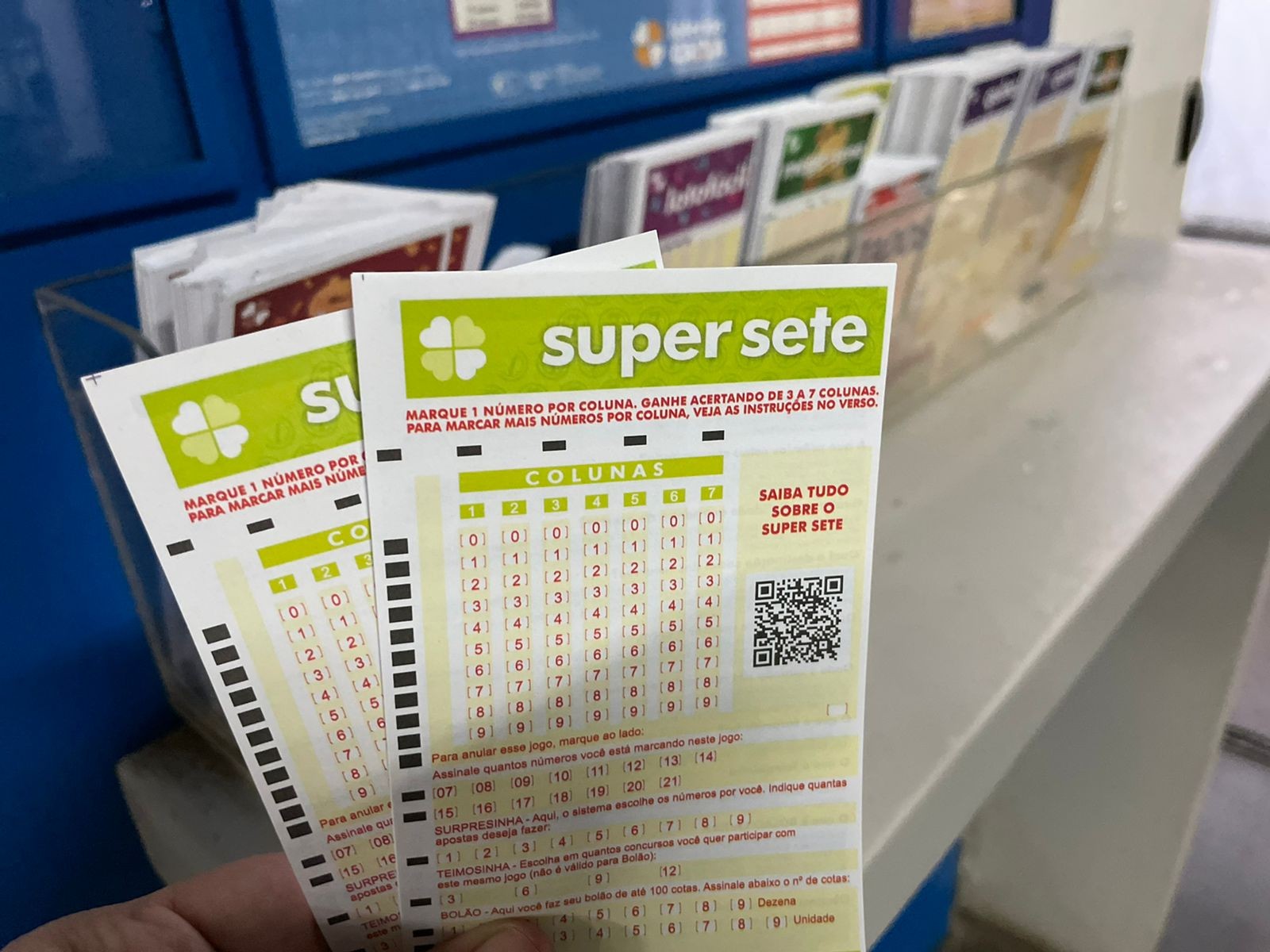
The Super Sete lottery contest 876, held on Wednesday, November 22nd, did not yield a grand prize winner, causing the jackpot to roll over to an estimated R$3.9 million for the next draw on Friday, November 24th. In this contest, no player managed to match all seven drawn numbers.
However, there were winners in lower prize tiers. One player successfully matched six numbers and will receive R$34,070.91. Fifty players matched five numbers, each earning R$973.45. Additionally, 738 players matched four numbers, with each receiving R$65.95, and 6,673 players matched three numbers, each taking home R$6.00.
Super Sete requires players to select one number from 0 to 9 in each of its seven columns, with seven numbers drawn in total, one per column. Players can opt for multiple bets, choosing up to 21 numbers across all columns, or mark between one and three numbers per column. Other options include the 'Surpresinha,' where numbers are chosen by the Caixa Econômica Federal, and 'Teimosinha,' allowing a bet to be repeated for 3, 6, 9, or 12 consecutive draws. The lottery is administered by Caixa Econômica Federal and has three weekly draws on Mondays, Wednesdays, and Fridays at 9 PM. The base bet costs R$3.00, with prize distribution varying based on the number of correct matches.
This report details the outcome of a lottery draw, a form of probabilistic game of chance. The accumulation of the jackpot signifies a common dynamic in such games where the absence of a top-tier winner increases the prize pool, potentially driving future participation. The tiered prize structure ensures that a portion of participants receive smaller rewards, maintaining engagement across different levels of success. The operational framework, managed by Caixa Econômica Federal, highlights the role of state-affiliated entities in regulating and conducting these large-scale public lotteries. From a systems perspective, lotteries represent a voluntary wealth transfer mechanism, where a small percentage of participants receive significant payouts, while the majority contribute to the prize pool and operational costs. The long-term sustainability of such systems relies on balancing the allure of large jackpots with the statistical certainty of low individual winning probabilities.
AI-generated to prompt reflection — not editorial opinion, not advice, not a statement of fact. How this works.